
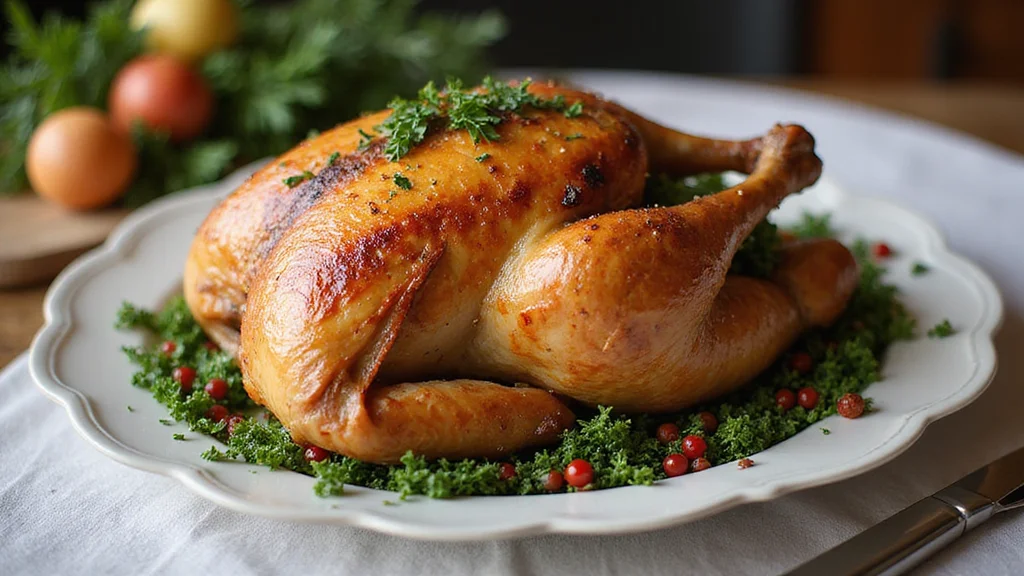
The holiday season is incomplete without the centerpiece of a perfectly roasted turkey, embodying warmth and festivity.
Imagine a golden-brown, juicy turkey that fills your home with a tantalizing aroma.
This recipe combines time-honored techniques with modern twists to ensure your Christmas celebrations are memorable.
Whether you’re a seasoned cook or a first-timer, this guide promises a succulent turkey worthy of your holiday table.
The History and Cultural Significance
• Master the Holiday traces its origins to medieval England, where it was originally created by hunters as a festive feast.
• The dish evolved over decades as spices from the East were introduced, eventually becoming the beloved version we know today.
• In Western cultures, this dish traditionally appears at Christmas dinners, symbolizing abundance and gratitude.
• While many variations exist across different regions, the authentic version maintains a juicy, flavorful interior that sets it apart from imitations.
Recommended Products

Holiday-Size Capacity: The 17.2 x 13.4 x 6 in carbon steel body is made to roast up to a 25 lb turkey, giving large birds, prime rib, chicken, and family-size meals room to cook without squeezing them into smaller pans.

Healthy Material - The Tifanso heavy-duty turkey roasting pan with rack is made of high-quality, non-toxic stainless steel and contains no chemical coatings, ensuring that no harmful substances leach into your food. This turkey roasting pan can withstand temperatures up to 450℉ and is corrosion-resistant, promising a long service life without easy deformation. The oven pan heats quickly and distributes heat evenly, allowing you to make delicious gravies directly on an induction stove.

EXCEPTIONAL DESIGN: The Cuisinart 16-inch rectangular roaster is made with a high-performance stainless steel exterior and riveted stainless steel handles. The steel rack is large enough to handle a big Thanksgiving turkey and perfect for slow-roasting root vegetables
Recipe Overview
Recommended Products

Instant Read Food Thermometer | Our instant read thermometer features a temperature probe and advanced, highly accurate technology with 1-2 seconds response time; Instructions, meat temperature chart, comes pre-calibrated for your convenience, and recalibrating feature if needed.

【Ultra-Fast & Precision Accurate】This meat thermometer digital delivers accurate readings within ±1°F/±1°C in just 1–2 seconds, with a wide temperature range of -58°F to 572°F (-50°C to 300°C). No more waiting over the heat - know your food's exact temperature instantly.
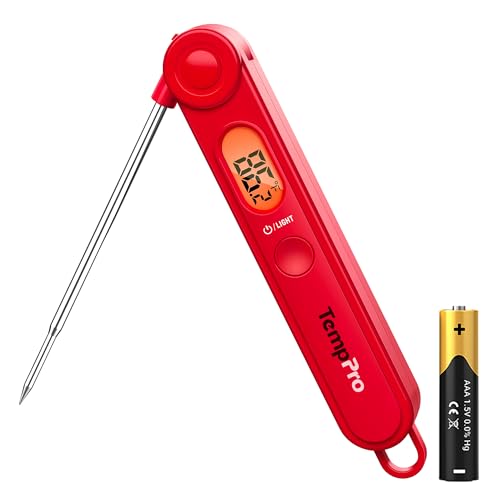
【Easy to Use】Easily release the meat probe at the push of a button, and control the backlight or power with another button. With TempPro, cooking becomes a seamless, stress-free experience
Nutritional Information (per serving)
Recommended Products
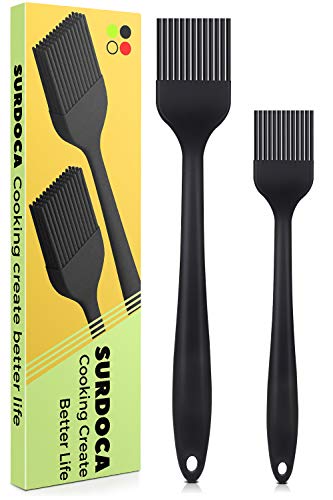
100% BPA FREE & FOOD GRADE SILCIONE : This silicone basting brush made of 100% BPA FREE food grade silicone. All bristles of this basting brush set are BPA-free material which are safe and good for your health. whole basting brush body covered by soft silicone material which can offer you perfect using feeling. At the same time, this basting brushes kitchen silicone is non-staining and won't pick up food particles (unlike wooden basting brush).

FOOD GRADE MATERIALS: This Silicone Basting Brush Set is BPA Free, non-toxic, and lead free with a stainless steel core inside the non-slip handle. Made from premium food grade silicone, the silicone bristles will not break or shed in your food, providing a more hygienic cooking experience
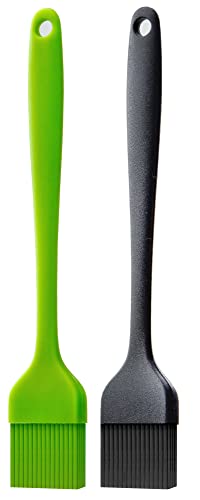
BPA FREE silicone brush.
Essential Equipment Guide
Roasting Pan: A heavy-duty roasting pan is essential for even cooking and collecting flavorful drippings. Alternatives like disposable pans may warp under high heat. Look for pans with a rack for better air circulation.
Meat Thermometer: Ensures the turkey reaches a safe internal temperature without overcooking. Instant-read thermometers provide quick results. Opt for digital versions for accuracy.
Basting Brush: Helps in applying butter or glaze evenly over the turkey, enhancing flavor and appearance. Silicone brushes are heat-resistant and easy to clean.
Ingredients
For the Turkey
|
| Amount | Ingredient | Notes |
|---|---|---|
| 1 whole | turkey (12-14 lbs) | thawed, giblets removed |
| 1 cup | unsalted butter | softened, for basting |
| 2 tablespoons | salt | for seasoning |
For the Stuffing
| Amount | Ingredient | Notes |
|---|---|---|
| 4 cups | bread cubes | dried for best texture |
| 1 cup | onion | chopped |
| 1 cup | celery | chopped |
For the Seasonings
| Amount | Ingredient | Notes |
|---|---|---|
| 1 tablespoon | black pepper | freshly ground |
| 1 teaspoon | thyme | dried |
| 1 teaspoon | sage | dried |
Preparation Methods
Brining: Soaking the turkey in a saltwater solution helps it retain moisture during roasting. This method is crucial for a juicy bird and is easy to master by ensuring the turkey is fully submerged for 12-24 hours.
Trussing: Tying the turkey's legs and wings ensures even cooking and an attractive presentation. Use butcher's twine and follow simple wrapping techniques for best results.
Butter Basting: Regularly applying melted butter during roasting enhances the turkey's flavor and color. Melt butter completely before basting and use a brush for even application.
Step 1: Prepare the Brine
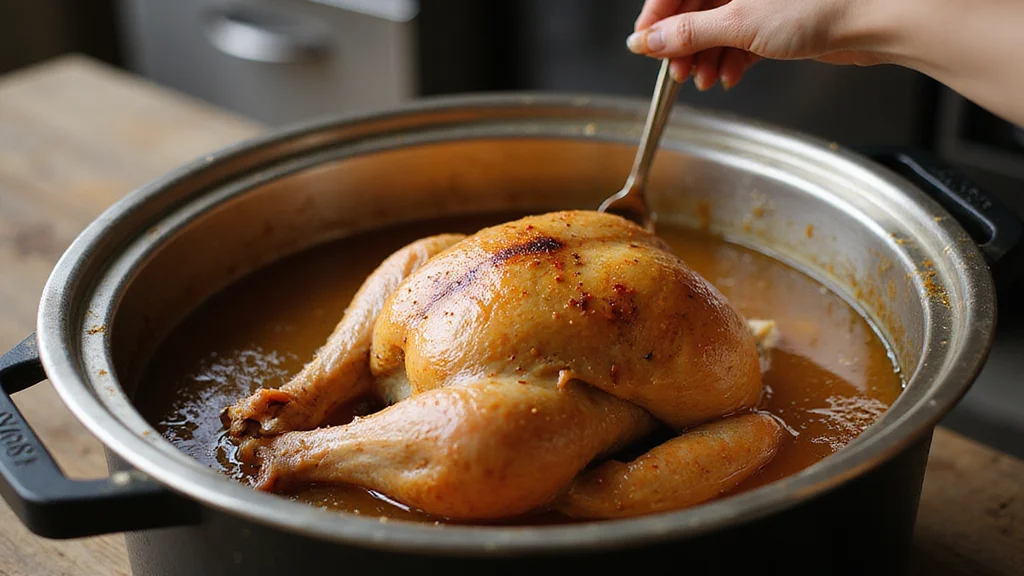
Combine water, salt, and sugar in a large pot.
Stir until dissolved completely.
Place the turkey in the pot, ensuring it is fully submerged.
Refrigerate for 12-24 hours, turning occasionally.
Step 2: Preheat the Oven

Set the oven to 325°F (163°C).
Allow it to preheat fully before placing the turkey inside.
This ensures even cooking from the start.
Check oven thermometer for accurate temperature reading.
Step 3: Prepare the Stuffing
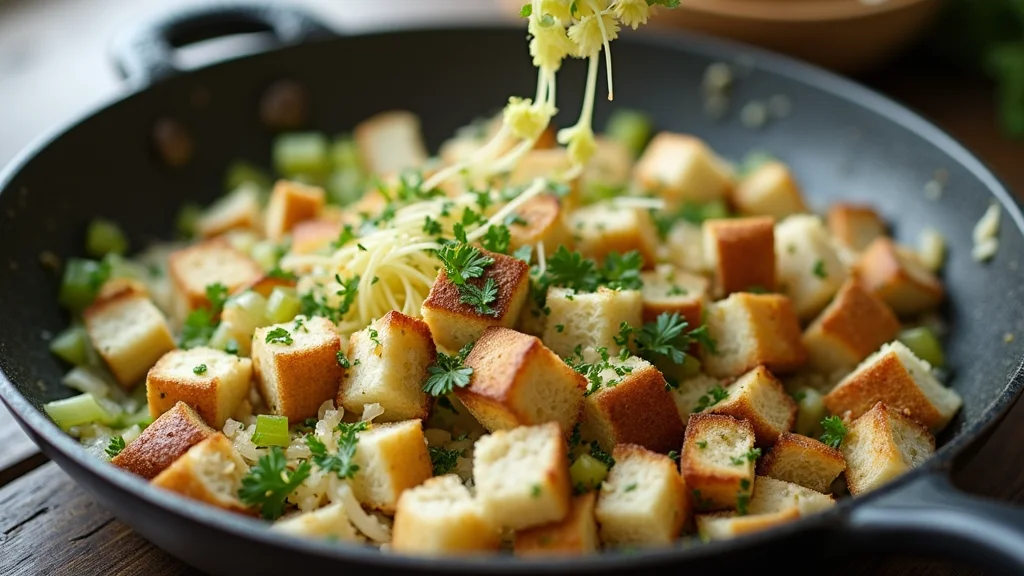
Sauté onions and celery in butter until translucent.
Add herbs and bread cubes, stirring to combine.
Moisten with broth if desired for softer stuffing.
Season with salt and pepper to taste.
Step 4: Stuff the Turkey
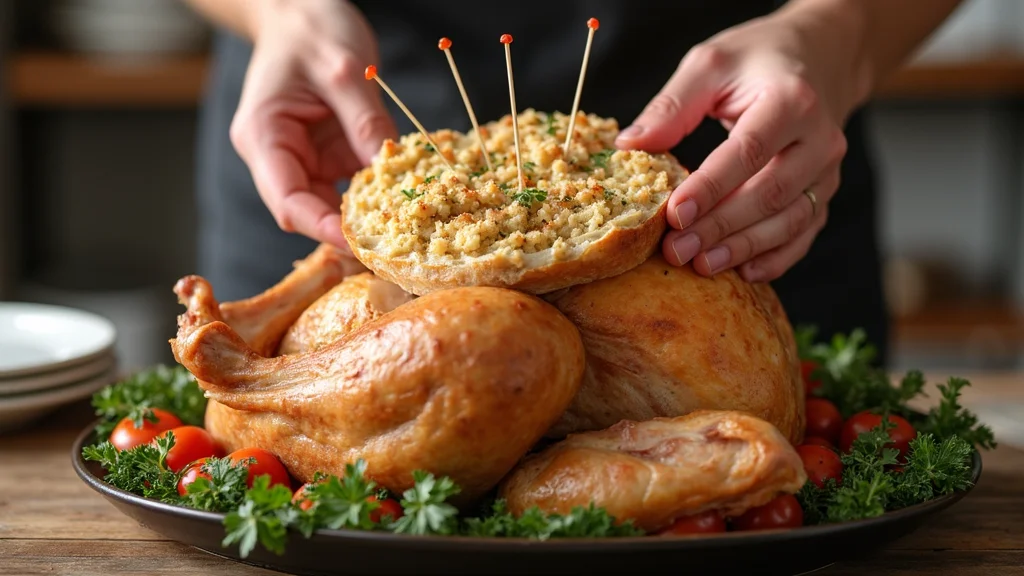
Remove the turkey from the brine and pat dry.
Loosely fill the cavity with prepared stuffing.
Avoid packing too tightly to ensure even cooking.
Secure the opening with skewers or truss with twine.
Step 5: Season and Truss the Turkey
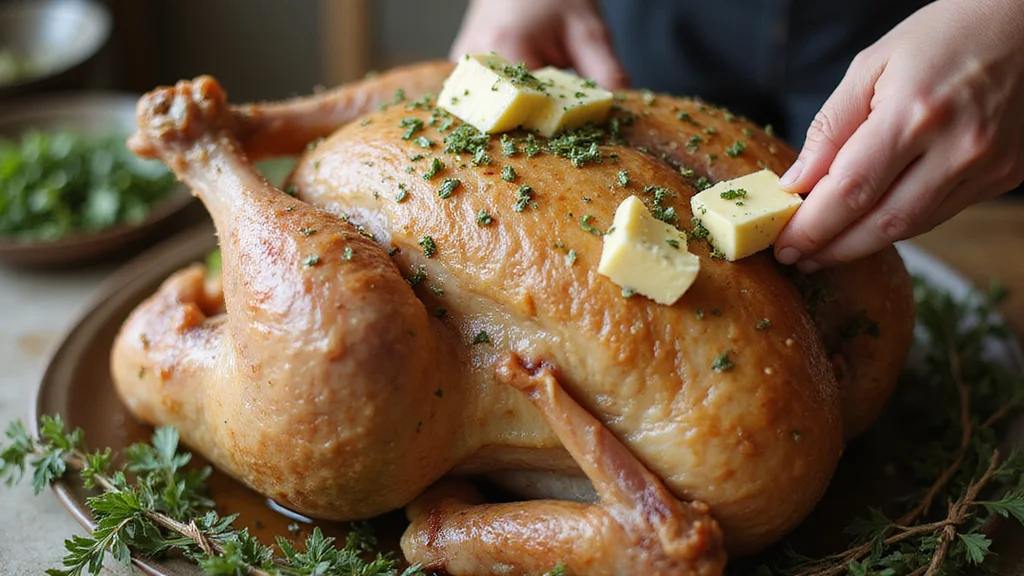
Rub the turkey skin with softened butter.
Sprinkle salt and pepper generously over the entire bird.
Truss the legs and wings using butcher's twine.
Ensure the turkey is evenly coated with seasonings.
Step 6: Roast the Turkey
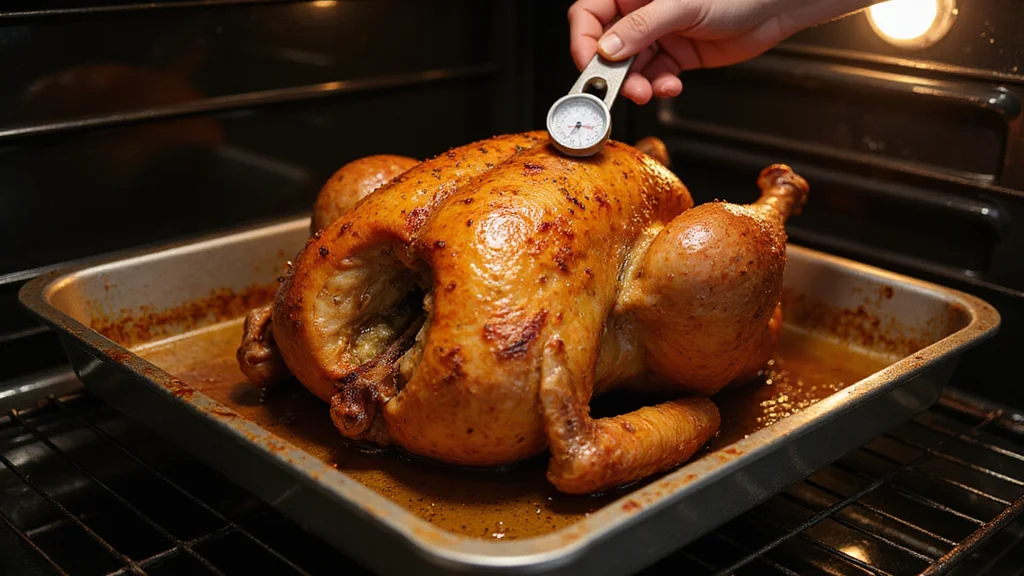
Place the turkey breast-side up on a rack in the roasting pan.
Insert a meat thermometer into the thickest part of the thigh.
Roast in the oven for 3-4 hours, basting every 30 minutes.
Cover with foil if browning too quickly.
Step 7: Check for Doneness
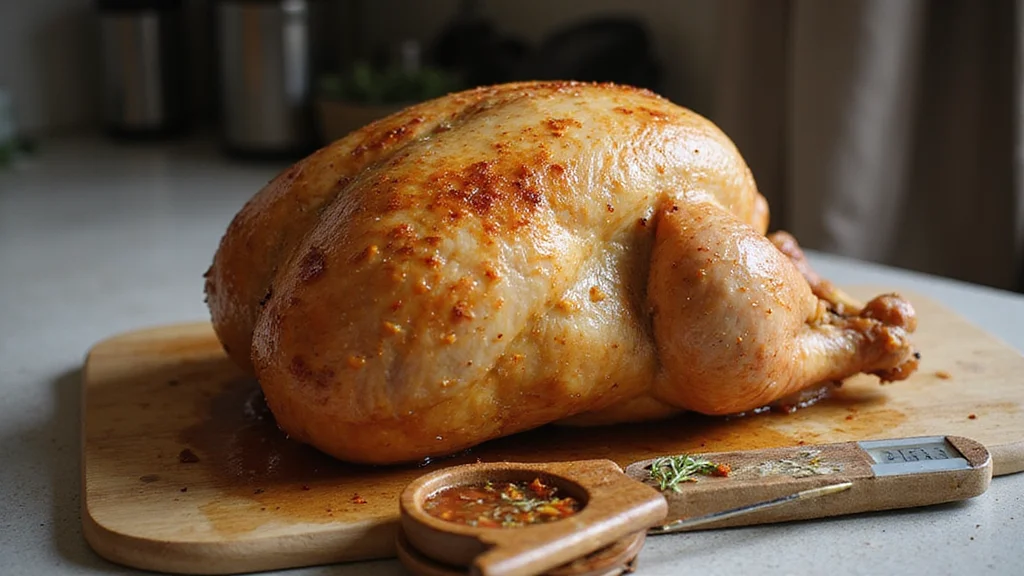
Remove the turkey from the oven when the thermometer reads 165°F (74°C).
Let it rest for 20-30 minutes before carving.
This allows juices to redistribute, keeping the meat moist.
Check the stuffing temperature separately, aiming for 165°F.
Step 8: Carve and Serve
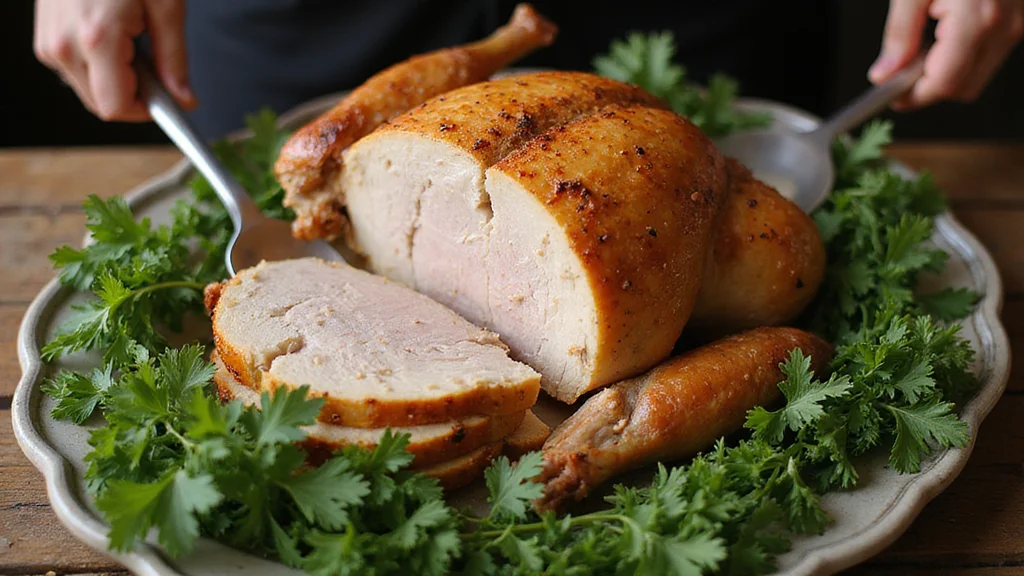
Use a sharp carving knife to slice the turkey.
Begin with the legs, then move to the breast.
Arrange slices on a platter for serving.
Garnish with fresh herbs for a festive touch.
Critical Timing and Temperature Guide
Brining Process: Brine for 12-24 hours at refrigerator temperatures, ensuring full submersion. Avoid leaving the turkey at room temperature.
Roasting Temperature: Roast at 325°F. Check for browning every 30 minutes and adjust foil as needed.
Resting Time: Allow the turkey to rest for 20-30 minutes post-roasting. This is crucial for juicy meat and easier carving.
Pro Tips for Master the Holiday
• Ingredient Selection: Choose a fresh, organic turkey for the best flavor and texture, as it significantly impacts the final dish quality.
• Preparation Secret: Dry the turkey thoroughly after brining to ensure crispy skin.
• Temperature Management: Keep an eye on the oven thermometer for consistent roasting temperature.
• Texture Enhancement: Butter basting contributes to a moist, tender turkey with a rich flavor.
• Flavor Layering: Use a mix of fresh and dried herbs to create a complex, aromatic seasoning profile.
• Make-Ahead Strategies: Prepare the stuffing a day in advance and refrigerate it to save time.
• Restaurant-Quality Finishing Touches: Garnish with fresh herbs and citrus slices for a vibrant presentation.
• Equipment Optimization: Use a sharp carving knife for clean, precise slices.
Troubleshooting Common Issues
• Dry Turkey: Caused by overcooking or insufficient basting. Ensure accurate temperature readings and frequent basting to prevent.
• Uneven Cooking: Often results from improper trussing. Ensure tight, even wrapping with twine.
• Soggy Stuffing: Results from over-moistening. Use dry bread cubes and add broth sparingly.
• Burned Skin: Occurs with high heat or lack of basting. Use foil during roasting if skin browns too quickly.
• Flavor Imbalance: Caused by uneven seasoning. Ensure even distribution of herbs and spices.
• Undercooked Meat: Ensure the thermometer is placed correctly in the thickest part of the thigh.
Variations and Regional Differences
• Southern Style: Incorporates Cajun spices and a spicy butter rub, offering a flavorful twist on the classic.
• Italian Variation: Utilize a garlic and rosemary marinade, infusing the turkey with Mediterranean flavors.
• Asian-Inspired: Features a soy sauce and ginger glaze, providing a sweet and savory profile.
• Herb-Crusted: Uses a crust of fresh herbs and panko crumbs for a crunchy, aromatic finish.
Food Science Behind the Recipe
• Brining Chemistry: Salt alters protein structure, increasing moisture retention and tenderness.
• Maillard Reaction: Responsible for the turkey's browned skin, enhancing flavor through complex chemical reactions.
• Heat Distribution: Even roasting ensures consistent cooking and prevents overcooked or dry areas.
Frequently Asked Questions
What's the most common mistake people make when preparing turkey? Overcooking the turkey, leading to dryness. Use a meat thermometer to ensure precise cooking.
Can I skip the brining step? It's possible, but brining adds significant moisture and flavor, making it highly recommended.
How do I prevent the skin from burning? Cover with foil if the skin browns too quickly, especially during the final hour of roasting.
Why is my stuffing soggy? Use dry bread cubes and add liquid gradually to control moisture levels.
What's the best way to carve the turkey? Allow it to rest to make carving easier and use a sharp knife for clean cuts.
Can I prepare the stuffing in advance? Yes, prepare and refrigerate it a day ahead, then stuff the turkey just before roasting.
What should I do if my turkey is undercooked? Return it to the oven immediately and check every 15 minutes until it reaches the correct temperature.
Serving and Presentation Guide
• Traditional Presentation: Arrange slices on a large platter, garnished with rosemary and orange slices for a festive touch.
• Modern Plating: Serve individual portions on plates with a drizzle of gravy and a side of roasted vegetables.
• Family Style: Place the whole carved turkey on a serving board, allowing guests to select their preferred cuts.
• Buffet Style: Arrange slices in a warming tray with gravy on the side for self-service.
Conclusion
Embarking on the journey of roasting the perfect Christmas turkey can transform your holiday dining experience.
With this comprehensive guide, you're equipped to impress family and friends with a delicious centerpiece.
Don't hesitate to experiment with flavors and techniques to make it your own.