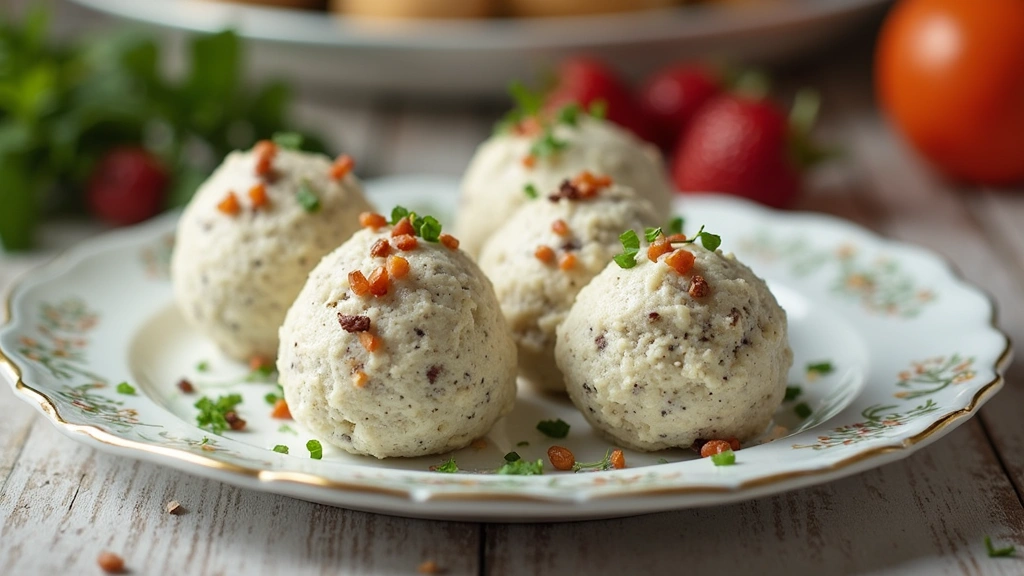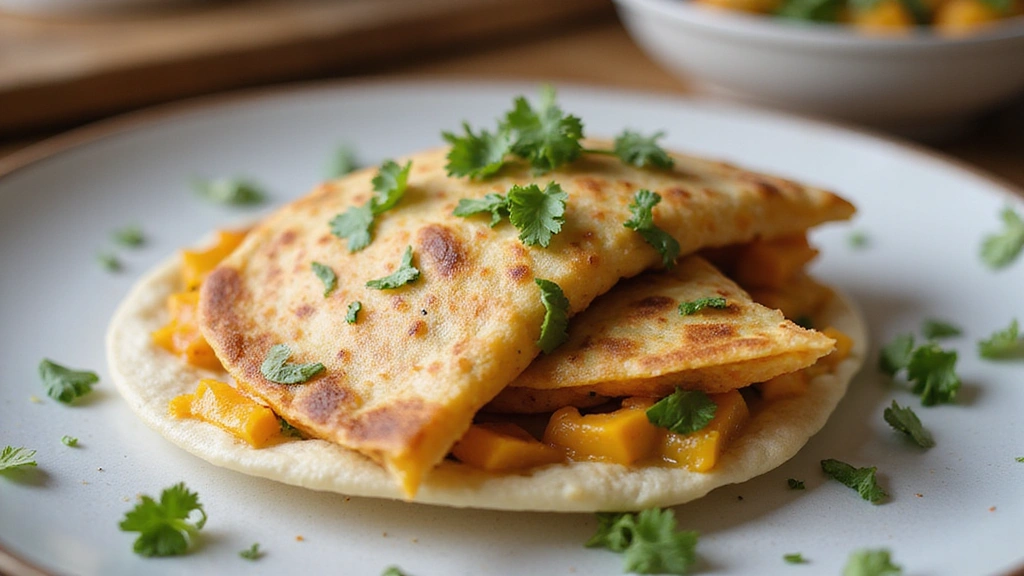

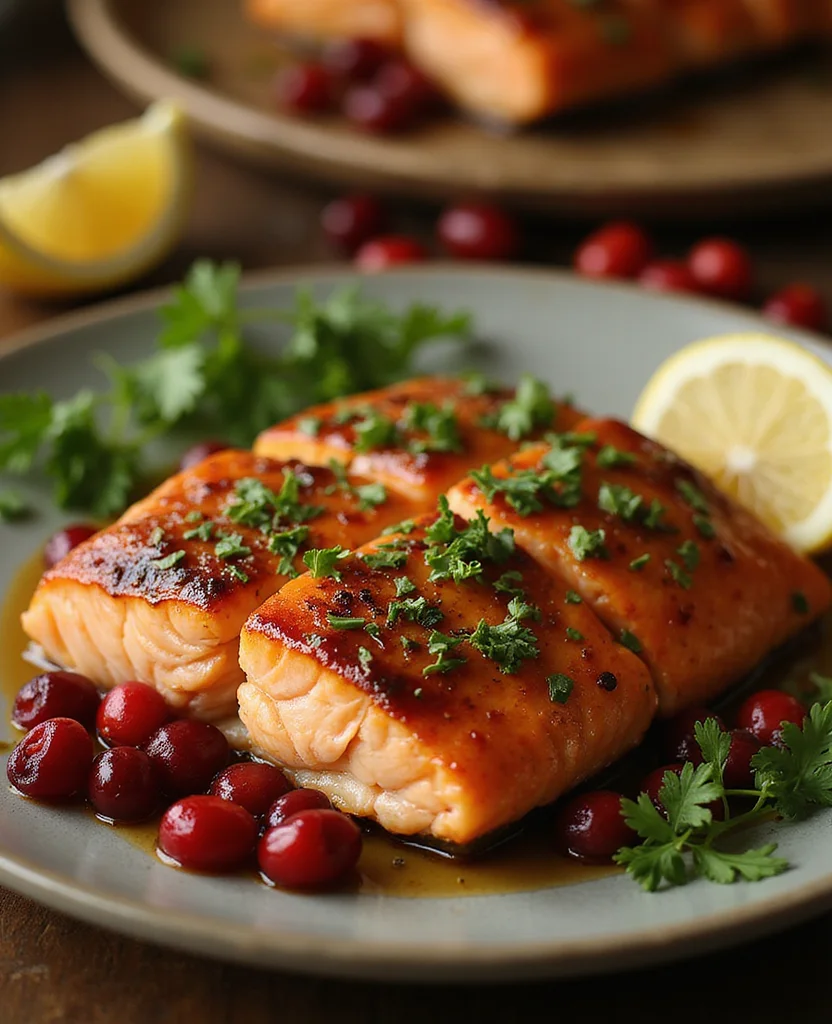
Christmas is a time for celebration, and what better way to elevate your holiday meal than with a selection of elegant fish dishes?
These recipes bring together a variety of flavors and techniques, each one offering a unique taste of sophistication.
From the rich and buttery to the light and zesty, these dishes are designed to impress and delight your guests.
Drawing from culinary traditions across the globe, they combine timeless flavors with modern twists.
Whether you’re aiming for a formal dinner or a casual family gathering, these fish recipes will ensure your Christmas meal is unforgettable.
The History and Cultural Significance
• 7 Elegant Christmas traces its origins to Mediterranean Europe, where it was originally created by coastal communities celebrating the bounty of the sea.
• The dish evolved over decades as chefs incorporated diverse ingredients like citrus and herbs, eventually becoming the beloved version we know today.
• In Italian culture, this dish traditionally appears at the Feast of the Seven Fishes, symbolizing abundance and family unity.
• While many variations exist across different regions, the authentic version maintains a focus on fresh, high-quality fish that sets it apart from imitations.
Recommended Products

This Feast Of The Seven Fishes design is inspired by The Vigil, perfect for the La Vigilia Christmas Celebration. This Italian Christmas Eve design is a festive and cultural addition to your holiday decoration.

gone fishing party decorations:: This gone fishing party tableware set comes with 50 pieces of fishing themed tableware, each measures about 7 inches, providing you sufficient quantity and proper size

Recipe Overview
Recommended Products

Exceptional Heat Retention: Enjoy perfectly cooked meals with cast iron skillets that provide even heat distribution, ideal for searing, frying, and baking in a 12 inch frying pan.

Daily Iron Boost: This iron fish for cooking releases a small, stable amount of iron into your meals, helping support families needing extra iron intake — ideal as a simple iron for cooking method

Durable Cast Iron Construction: Made from cast iron for long-lasting use and even heat distribution.
Nutritional Information (per serving)
Recommended Products

Premium Stainless Steel Blade: Razor-sharp 6-inch blade designed for precision cutting, ideal for filleting fish with ease and accuracy

PREMIUM PERFORMANCE – Perfectly engineered fish fillet knife tapered to a razor-sharp edge for effortless filleting, de-boning, trimming, skinning and butterflying of different types of fish & meat.

High Carbon Stainless Steel Blade: The Mundial Y5514-8E Fish Fillet Knife features an 8-inch blade made of high carbon stainless steel for exceptional durability and sharpness.
Essential Equipment Guide
Fish Filleting Knife: A sharp filleting knife is crucial for cleanly cutting and portioning the fish; alternatives include a general chef’s knife, but precision may be compromised.
Cast Iron Skillet: This tool retains heat well and provides an even cooking surface, essential for perfect searing; non-stick pans can be used but may not achieve the same caramelization.
Fine Mesh Strainer: Important for creating smooth sauces and removing impurities; a colander can be used in a pinch but won’t produce the same refinement.
Ingredients
For the Fish
|
| Amount | Ingredient | Notes |
|---|---|---|
| 4 fillets | white fish | skin-on for extra flavor |
| 2 tablespoons | olive oil | for searing |
For the Sauce
| Amount | Ingredient | Notes |
|---|---|---|
| 1 cup | dry white wine | adds depth |
| 2 tablespoons | lemon juice | for brightness |
| 3 cloves | garlic | minced |
Seasonings
| Amount | Ingredient | Notes |
|---|---|---|
| 1 teaspoon | salt | to taste |
| 1 teaspoon | black pepper | freshly ground |
Preparation Methods
Fish Filleting: Mastering the art of filleting ensures each portion is boneless and evenly sized, crucial for uniform cooking; practice with smaller fish to gain confidence.
Emulsion: This technique involves slowly incorporating oil into a liquid to create a smooth sauce that clings to the fish; patience and steady whisking are key.
Zesting: Using a microplane or zester, remove only the colorful outer layer of citrus for intense flavor without bitterness; avoid the pith by using light pressure.
Step 1: Prepare Ingredients

Gather all ingredients and equipment needed for the recipes.
Ensure fish fillets are at room temperature for even cooking.
Measure and organize seasonings and liquids for easy access.
Check that all tools are clean and in good working condition.
Step 2: Fillet the Fish
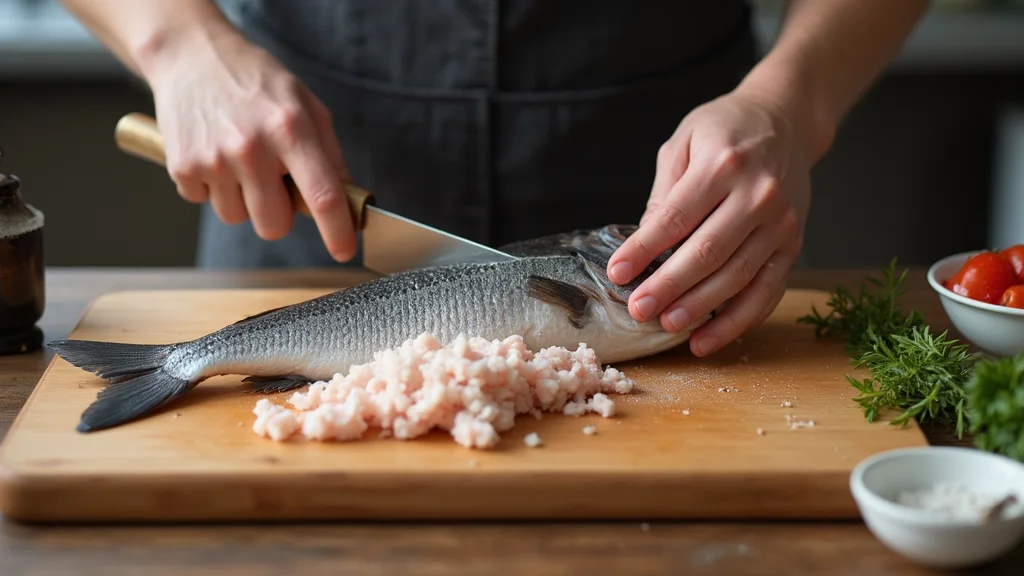
Use a sharp filleting knife to carefully remove any remaining bones from the fish.
Trim the edges of the fillets for a neat presentation.
Pat the fish dry with paper towels to remove excess moisture.
Season the fillets with salt and pepper on both sides.
Step 3: Heat the Skillet
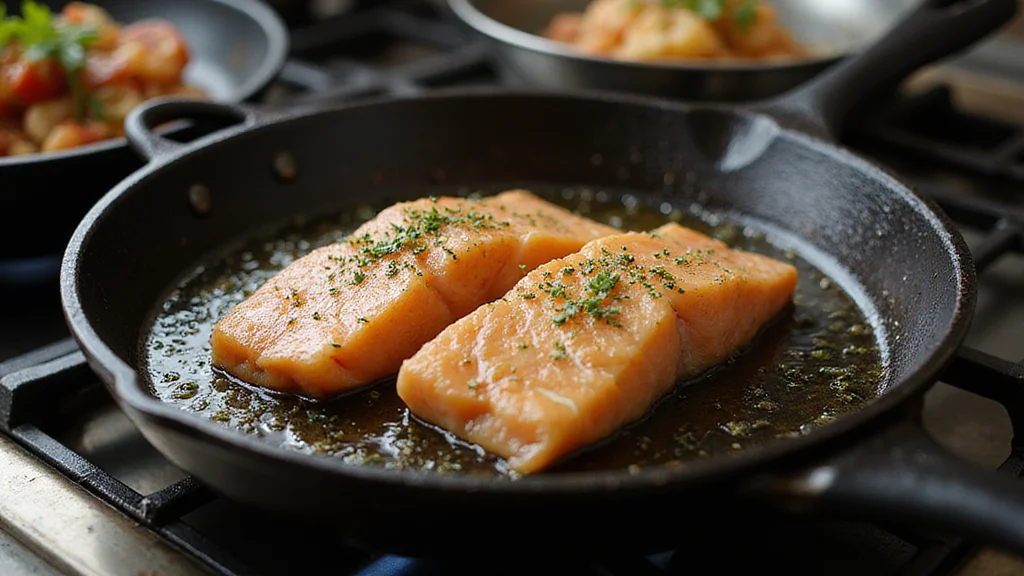
Place a cast iron skillet over medium-high heat and add olive oil.
Allow the oil to heat until it shimmers, indicating it's ready for searing.
Test the heat by placing a small piece of fish in the oil; it should sizzle immediately.
Adjust the heat as needed to maintain a steady sizzle without smoking.
Step 4: Sear the Fish
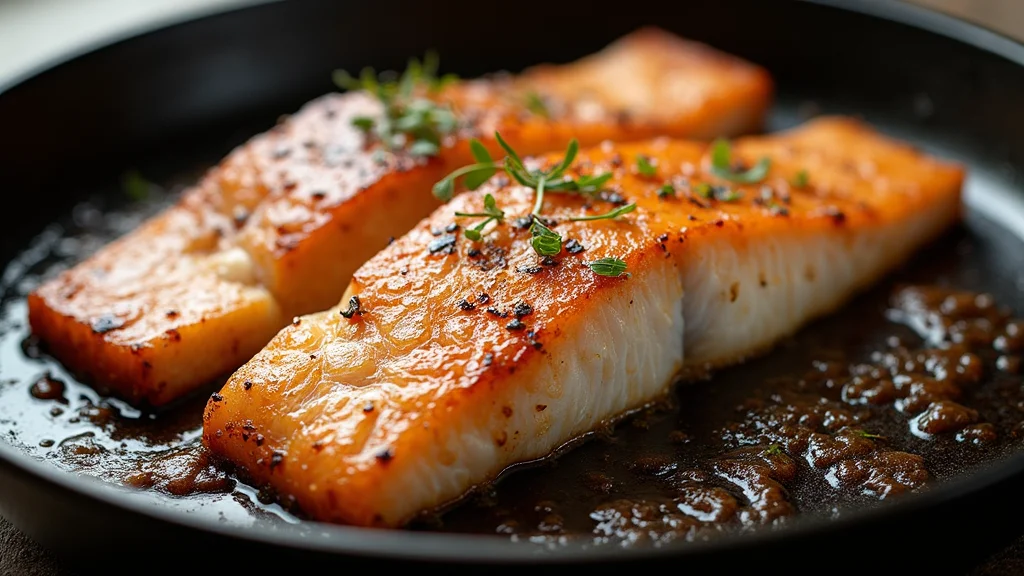
Gently place the fish fillets skin-side down in the hot oil.
Press down lightly with a spatula to ensure even contact with the skillet.
Cook until the skin is crisp and golden, about 3-4 minutes.
Carefully flip the fillets and cook for another 2-3 minutes.
Step 5: Prepare the Sauce
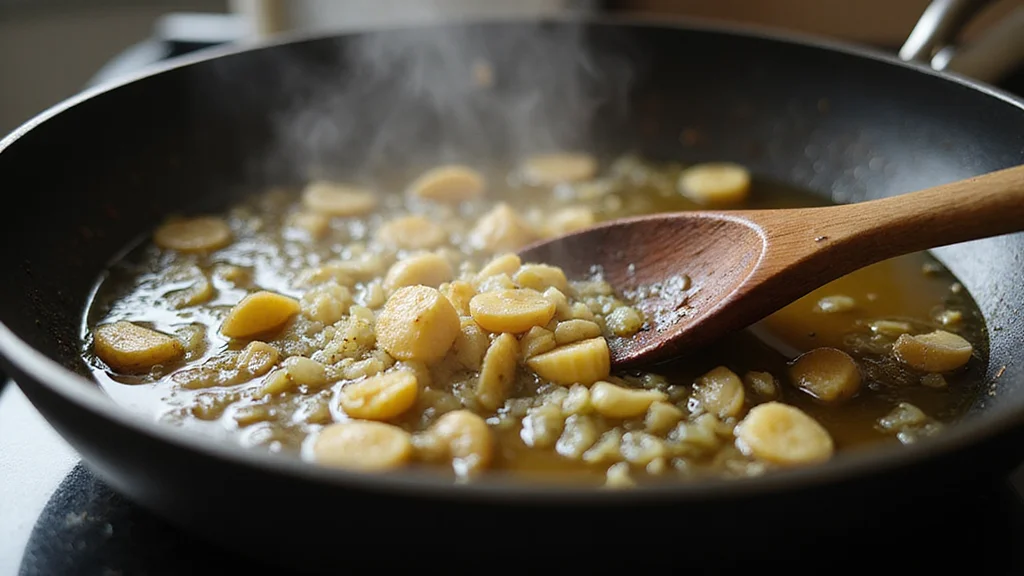
Remove the fish from the skillet and set aside to rest.
In the same skillet, add minced garlic and sauté until fragrant.
Deglaze the pan with white wine, scraping up any browned bits.
Reduce the liquid by half, concentrating the flavors.
Step 6: Emulsify the Sauce
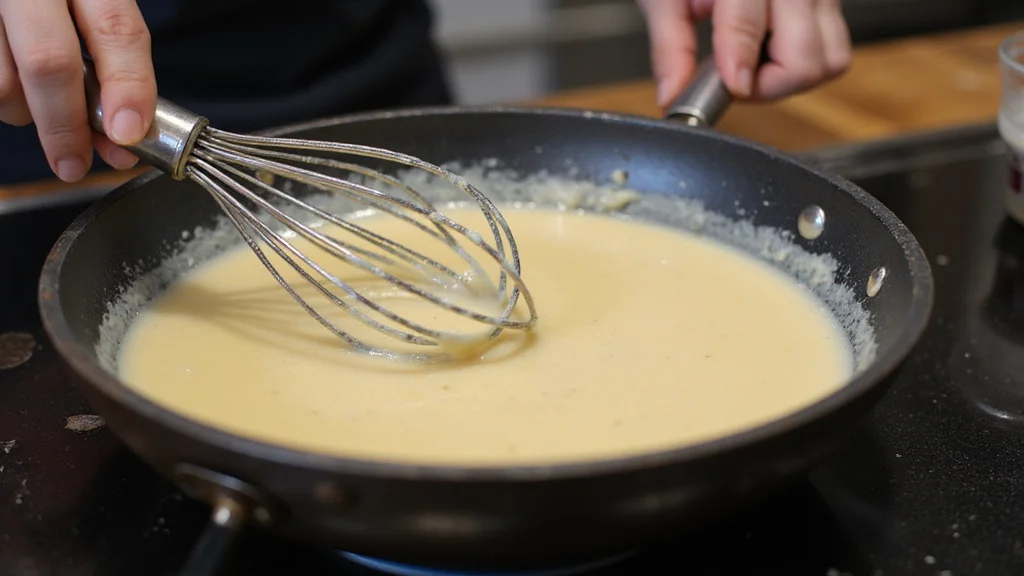
Turn down the heat to low and slowly whisk in lemon juice.
Gradually add room-temperature butter, one piece at a time, whisking continuously.
Ensure the sauce is smooth and creamy, with no separation.
Adjust seasoning with salt and pepper to taste.
Step 7: Plate the Dish
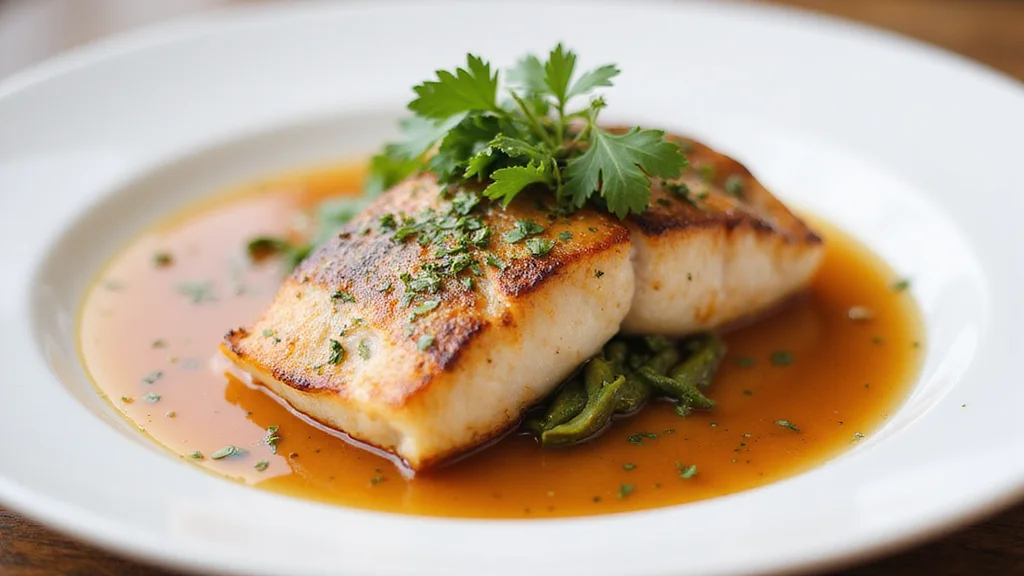
Place a fish fillet on each plate, skin-side up for presentation.
Spoon the sauce generously over and around the fish.
Garnish with fresh herbs like parsley or dill for color and flavor.
Serve immediately for the best texture and taste.
Step 8: Final Touches
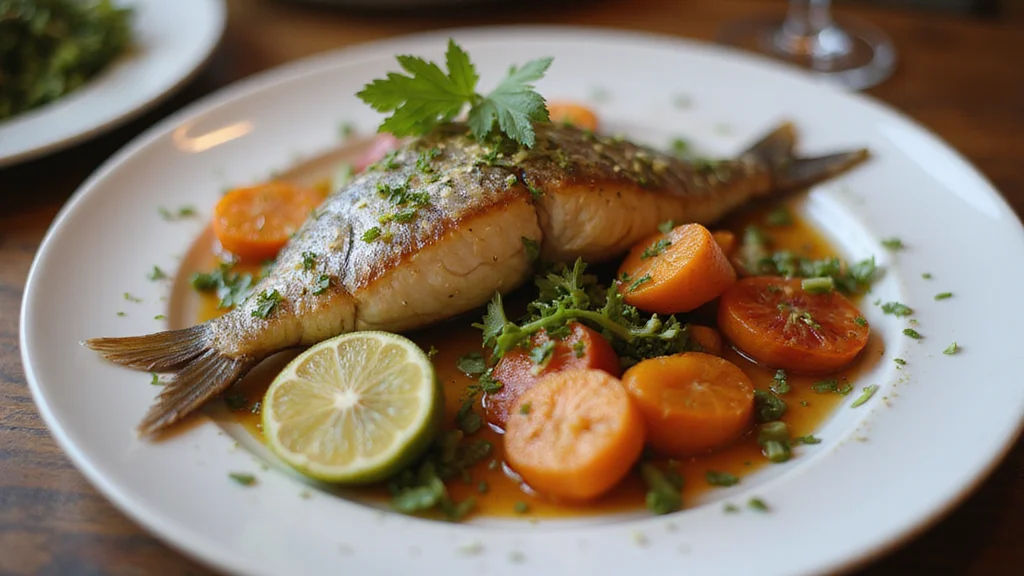
Add a wedge of lemon to each plate for additional zest.
Sprinkle a pinch of flaky sea salt on the fish for a final flavor boost.
Wipe the plate edges clean for a professional presentation.
Invite guests to the table and enjoy the meal together.
Critical Timing and Temperature Guide
Searing the Fish: Cook at medium-high heat for 3-4 minutes per side; look for crisp, golden skin and opaque flesh.
Reducing the Sauce: Simmer until reduced by half; it should coat the back of a spoon, with flavors concentrated.
Emulsifying Butter: Add to the sauce off the heat, one piece at a time; ensure the sauce remains smooth and cohesive.
Pro Tips for 7 Elegant Christmas
• Ingredient Selection: Choose the freshest fish available, as quality can dramatically affect the dish; look for firm flesh and a mild, ocean-like smell.
• Preparation Secret: Allow the fish to come to room temperature before cooking to ensure even cooking and a better sear.
• Temperature Management: Preheat the skillet thoroughly before adding the fish to achieve a perfect sear without overcooking.
• Texture Enhancement: Pat the fish dry before seasoning to create a crispier skin.
• Flavor Layering: Infuse the sauce with fresh herbs or citrus zest to add complexity and freshness.
• Make-Ahead Strategies: Prepare the sauce in advance and reheat gently before serving; store in an airtight container in the refrigerator.
• Restaurant-Quality Finishing Touches: Use a squeeze bottle to drizzle sauce artistically on the plate for a refined look.
• Equipment Optimization: Use a heavy-bottomed skillet to maintain even heat and avoid hot spots.
Troubleshooting Common Issues
• Fish Sticking to Pan: Ensure the skillet and oil are properly heated before adding the fish; use a non-stick pan if necessary.
• Sauce Breaking: Remove the pan from heat when adding butter; whisk continuously to maintain a stable emulsion.
• Fish Overcooked: Monitor cooking time closely; remove from heat just as the flesh turns opaque.
• Flavors Too Intense: Balance sauce flavors by adding a splash of cream or a pinch of sugar if it's too acidic.
• Soggy Skin: Dry the fish thoroughly and ensure it is at room temperature before cooking to achieve crispy skin.
• Uneven Cooking: Ensure fillets are of uniform thickness; use a meat mallet to gently even out thicker portions if needed.
Variations and Regional Differences
• Italian Style: Focuses on simple preparations with olive oil, lemon, and fresh herbs; often served during the Feast of the Seven Fishes.
• Asian Influence: Incorporates soy sauce, ginger, and scallions for a savory and aromatic profile.
• Nordic Variation: Uses dill, mustard, and a touch of horseradish for a bold and tangy flavor.
• Spanish Twist: Features smoked paprika, garlic, and a touch of saffron for a warm, earthy taste.
Food Science Behind the Recipe
• Maillard Reaction: The process responsible for the browning and flavor development on the fish skin, enhanced by high heat and dry surfaces.
• Emulsion Stability: Understanding how fat droplets are suspended in a liquid helps create smooth, cohesive sauces.
• Protein Coagulation: Knowing how proteins set at different temperatures aids in achieving the desired texture in fish.
• Acidity's Role: Acids like lemon juice denature proteins, tenderizing the fish and balancing flavors in the sauce.
Frequently Asked Questions
What's the most common mistake people make when preparing fish dishes? Overcooking the fish is the most common mistake; always monitor cooking times and use a thermometer if needed.
Can I use frozen fish for these recipes? Yes, but ensure it is thoroughly thawed and patted dry before cooking to avoid excess moisture.
How do I know when the fish is done? The fish is done when it flakes easily with a fork and turns opaque throughout.
What type of fish works best for these recipes? Firm white fish like cod, halibut, or sea bass are ideal for these elegant preparations.
How can I adjust the recipe for more servings? Simply scale up the ingredient quantities while maintaining the same cooking times and methods.
What can I substitute for white wine in the sauce? Use chicken broth with a splash of lemon juice or apple cider vinegar for a similar depth of flavor.
Why is my sauce not thickening? Ensure the sauce is reduced enough; continue simmering until it coats the back of a spoon.
Serving and Presentation Guide
• Traditional Presentation: Serve the fish on a large platter with sauce drizzled over the top and garnished with fresh herbs.
• Modern Plating: Use a white plate for contrast, place the fish slightly off-center, and drizzle sauce with artistic flair.
• Family Style: Arrange fish fillets on a communal plate with sauce in a separate bowl for self-service.
• Individual Servings: Plate each portion individually with personalized garnishes for an upscale touch.
Conclusion
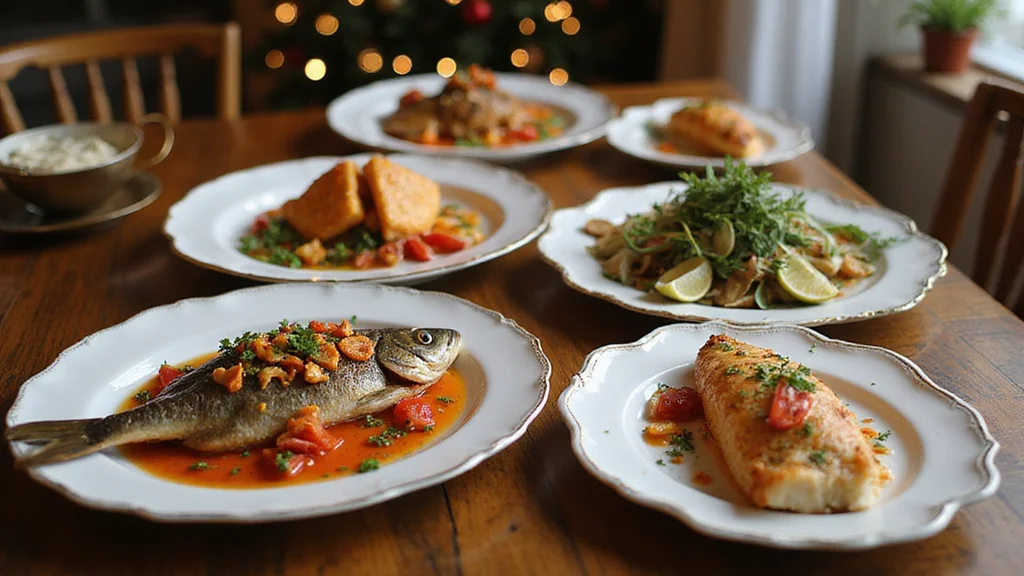
These 7 Elegant Christmas Fish recipes offer a sophisticated touch to your holiday feast.
With a blend of tradition and modern flair, they are sure to impress your guests.
Try these recipes this Christmas and experience a meal that is both delightful and memorable.