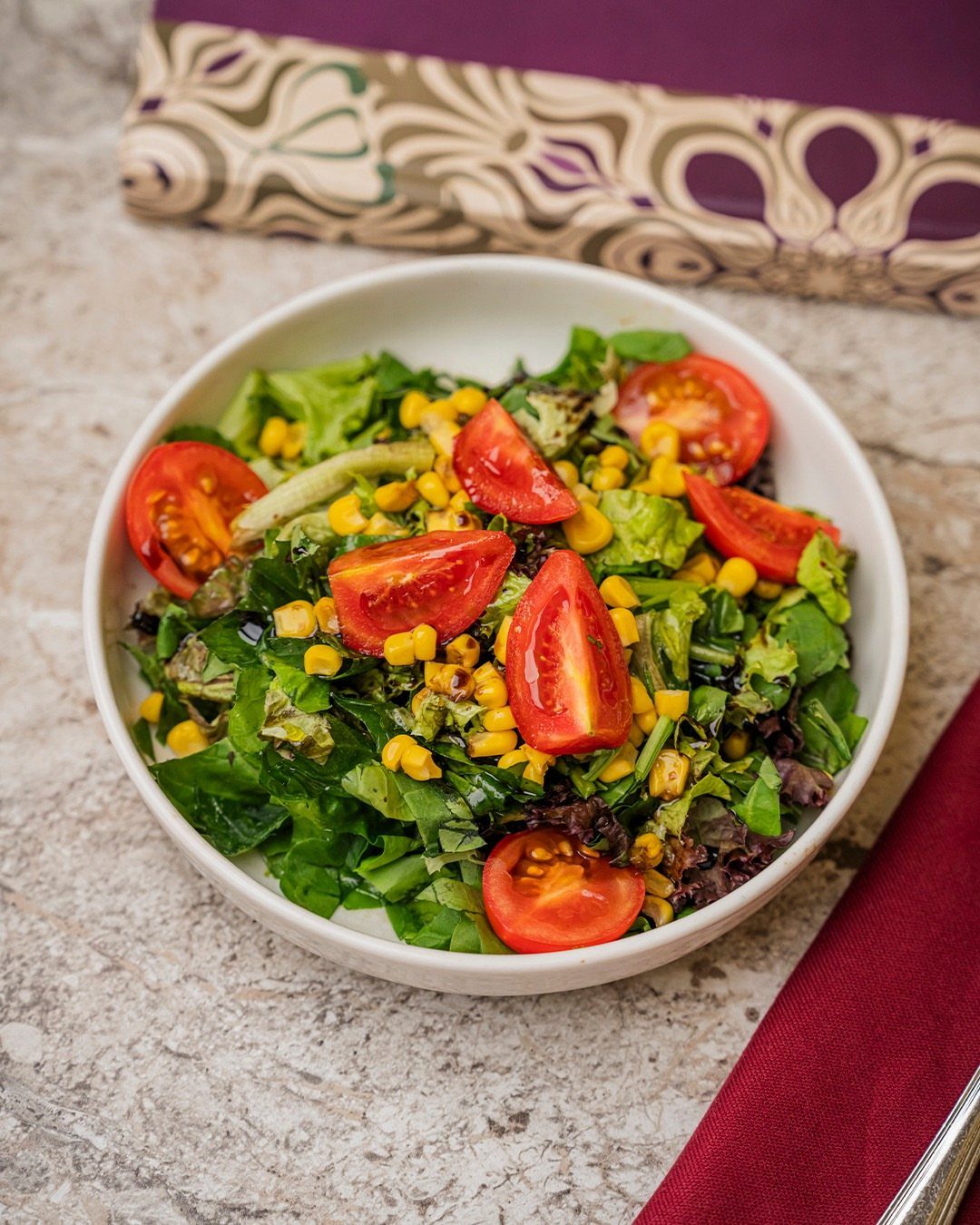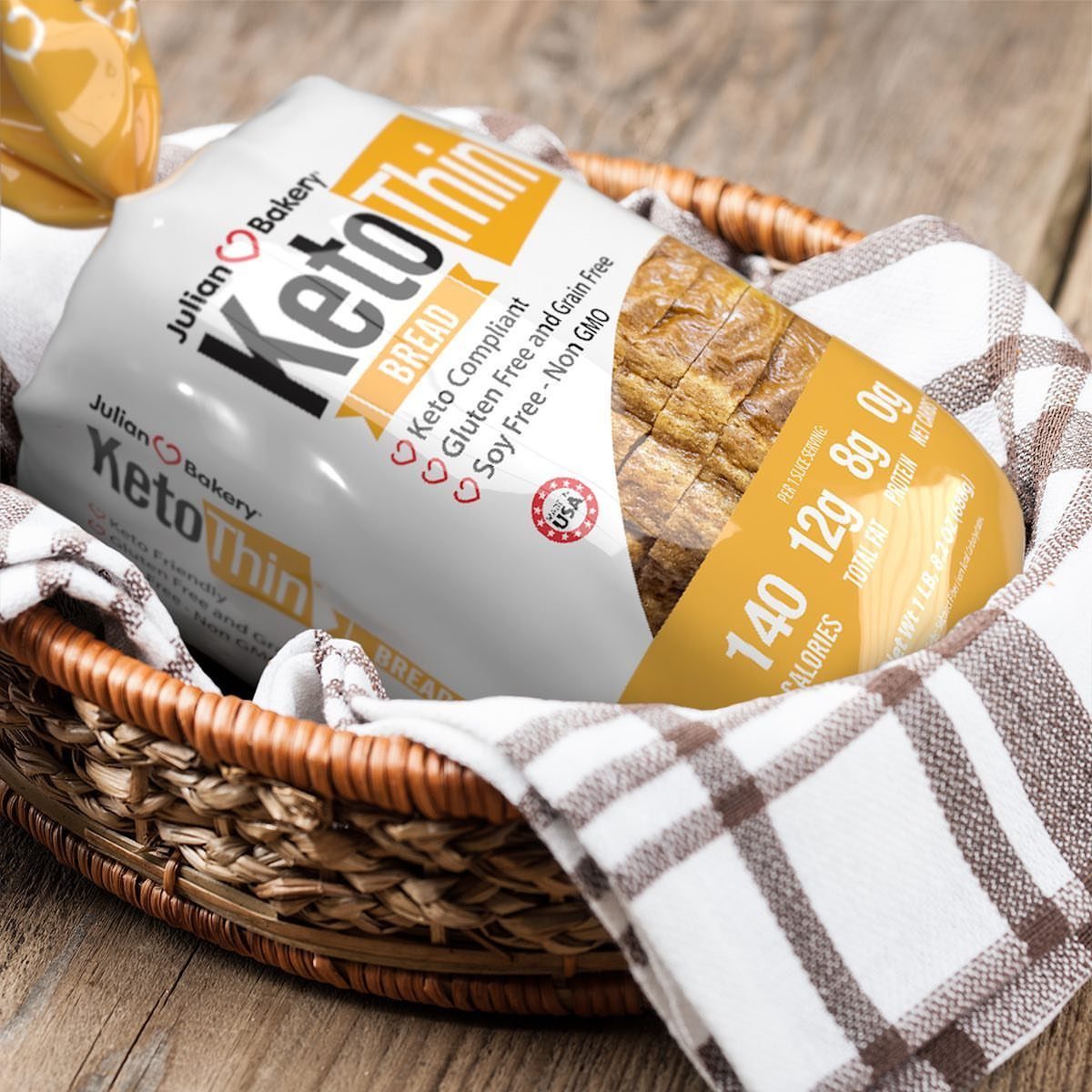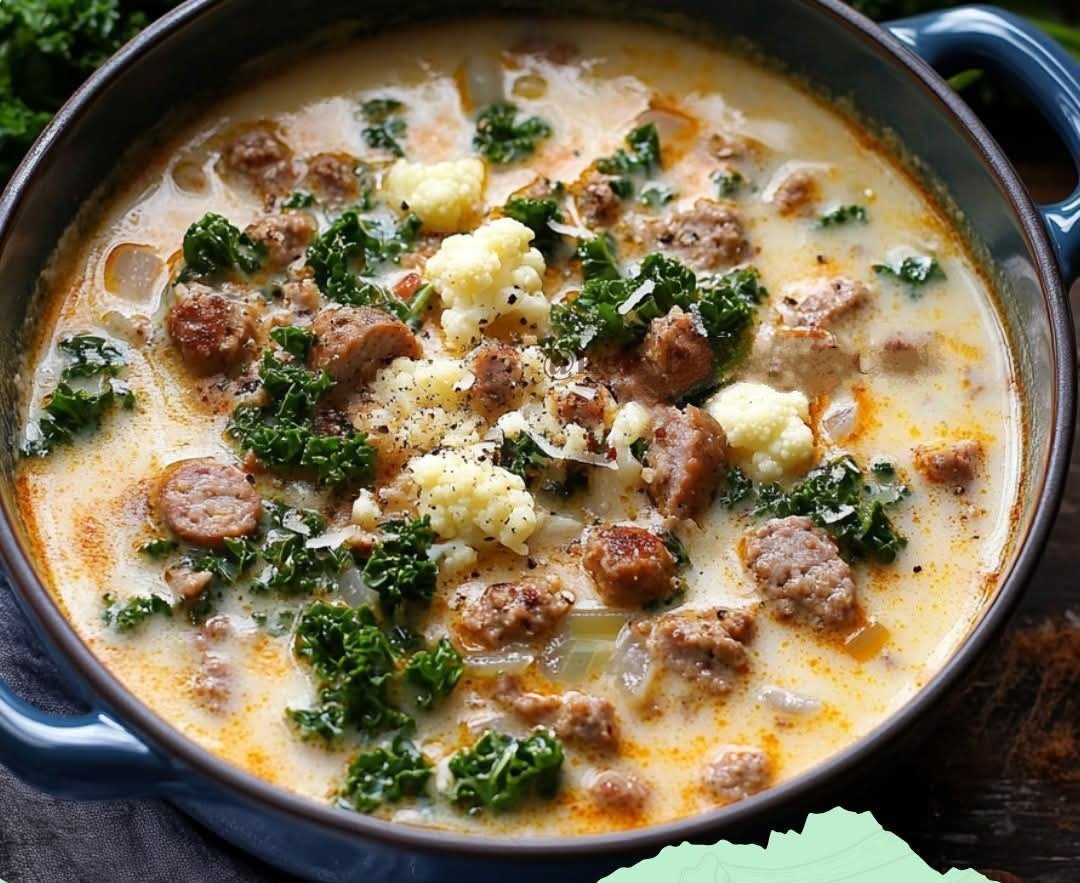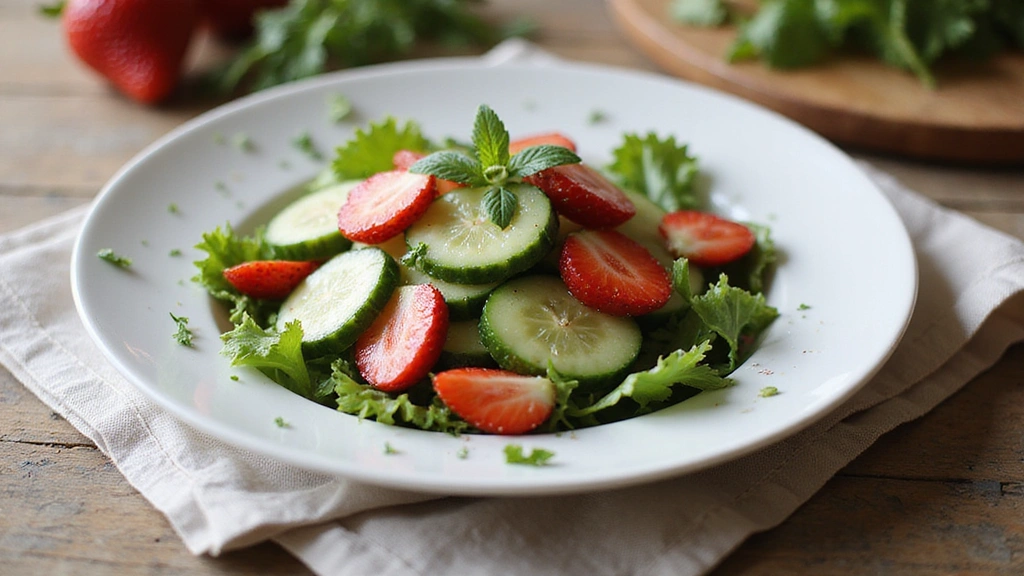

These recipes run from a 1-pan skillet dinner to a no-cook salad, so the night’s time and cleanup decide the pick: the Spinach Tomato Frittata and Creamy Chicken Mushrooms need a stove, while the Rotisserie Chicken Salad and Shrimp Ceviche skip it entirely.
Whatever you choose, a workable target is at least 15 g of protein and no more than 14 g of carbohydrate per serving.
Breading is where the carbs sneak in, and the Breaded Chicken Fillets are the one recipe here where I’d watch it closely.
1. Spinach Tomato Frittata
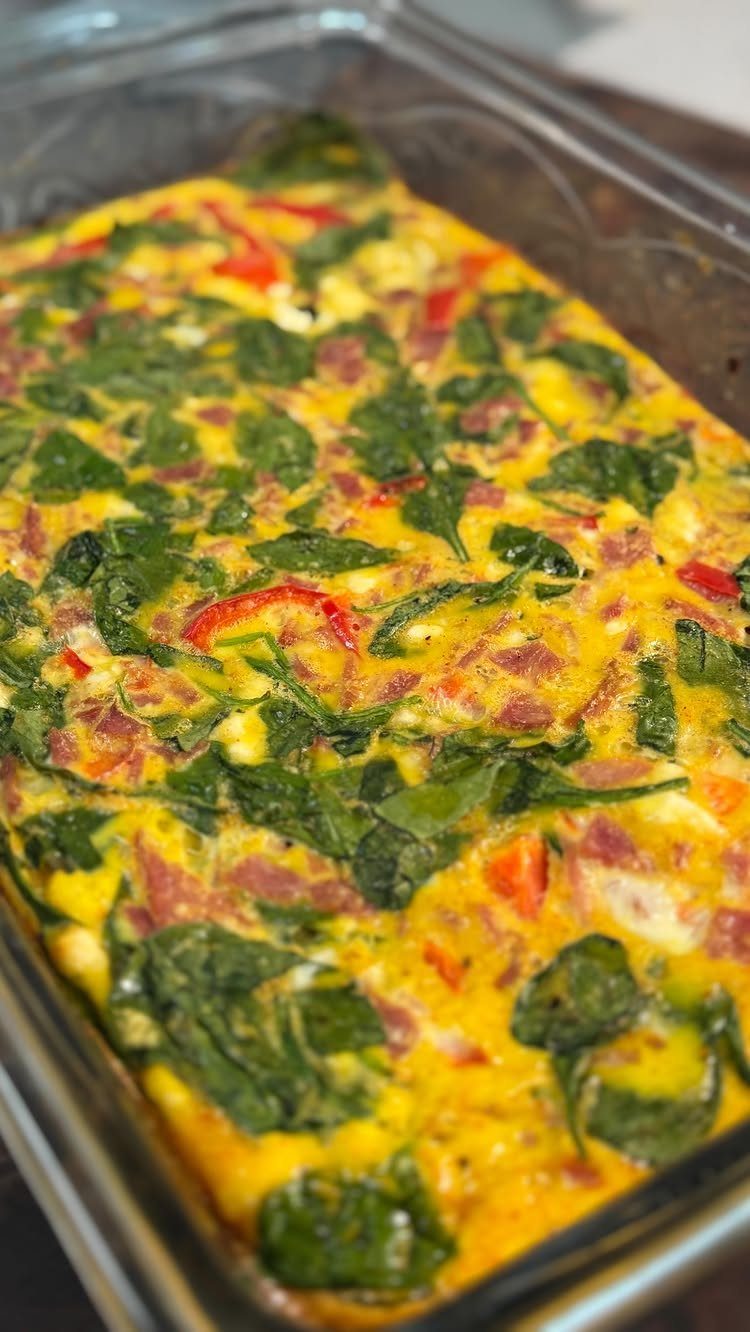
A frittata baked in a glass dish is my pick for a weeknight breakfast that doubles as the next day’s meal. Eggs, spinach and tomato give you protein with almost no carbs, and one dish feeds several people.
Bake it ahead, let it cool, and cut squares to reheat on busy mornings. Glass makes cleanup easy: soak the dish while you eat.
Recommended Products

Protein-Packed Delight – Power through your day with our hearty and satisfying Chicken Noodle Soup, providing 15g of high quality protein per serving, the perfect meal replacement high protein soup to support your active lifestyle. Each box contains 7 x 0.88oz (25g) pouches of nutritious soup mix.


2. Chicken Avocado Salad
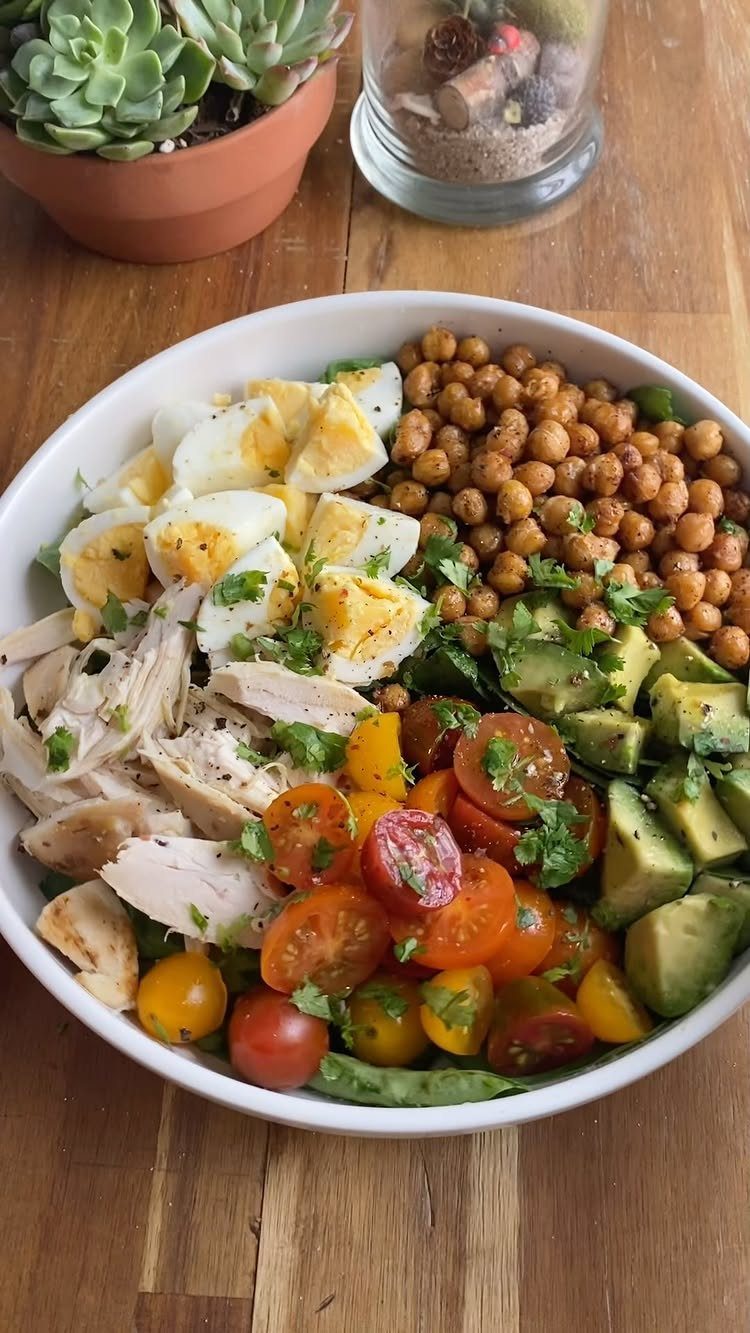
Shredded chicken, eggs and roasted chickpeas make this salad hold up in a container for a few days. Avocado and cherry tomatoes add richness and freshness without much effort.
For meal prep, cook the chicken and eggs ahead and pack everything together.
Chickpeas bring some carbs, so use a modest handful if you’re keeping the count tight. Slice the avocado at the last minute so it stays green.
Recommended Products

Four (4) 4.5 oz cans of Swanson White Premium Chunk Canned Chicken Breast in Water


3. Flank Steak Salad
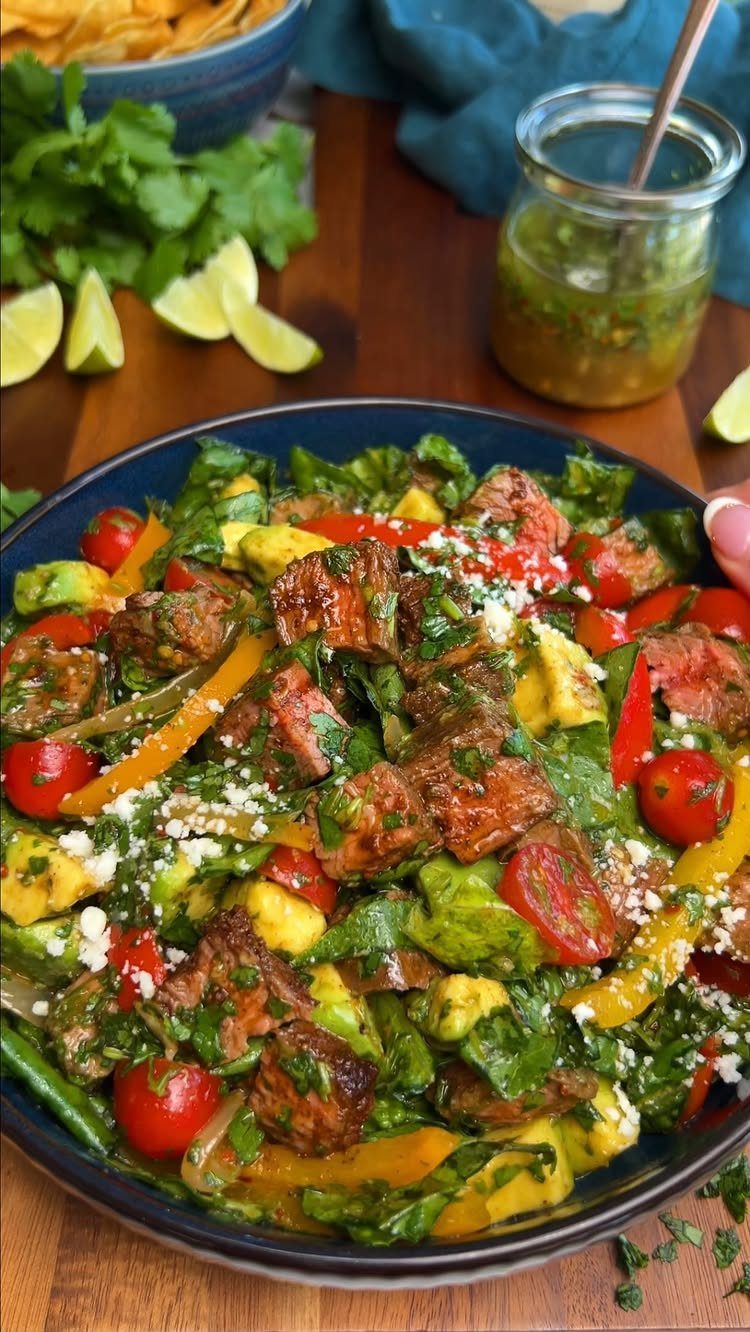
Honey-lime dressing is what makes flank steak salad worth grilling for. It lifts the char on the meat and plays well with avocado, tomatoes and peppers.
Slice the steak thin against the grain, since flank turns chewy if cut with the grain.
Honey adds a little sugar, so keep the dressing light if you’re counting carbs. Crumbled feta on top adds salt and tang.
Recommended Products

A great marinade for your protein Enjoy on a green or pasta salad Check out our website for amazing recipes Made from Ken's A Family-Owned Company Greek Dressing with Feta...
4. Steak and Onions
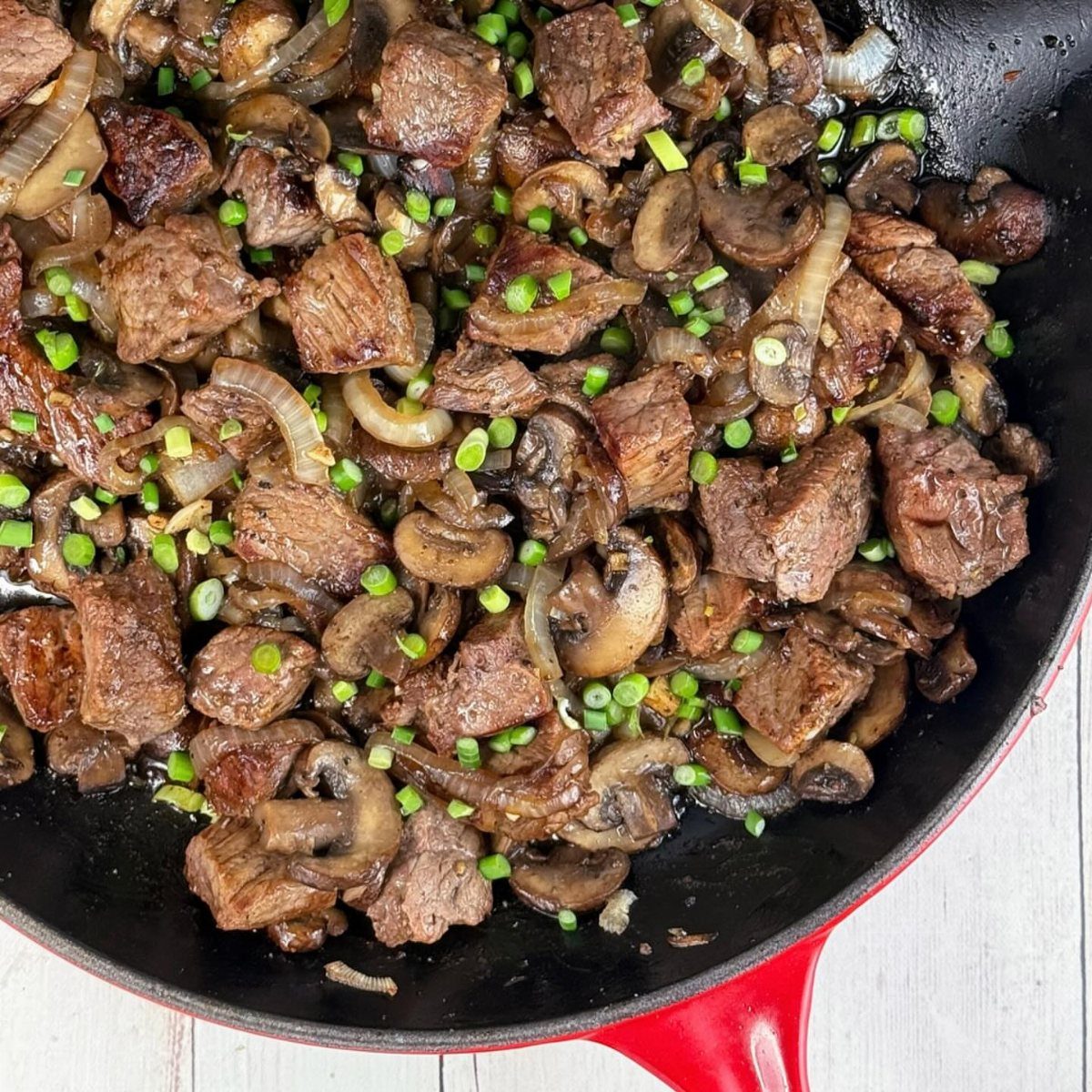
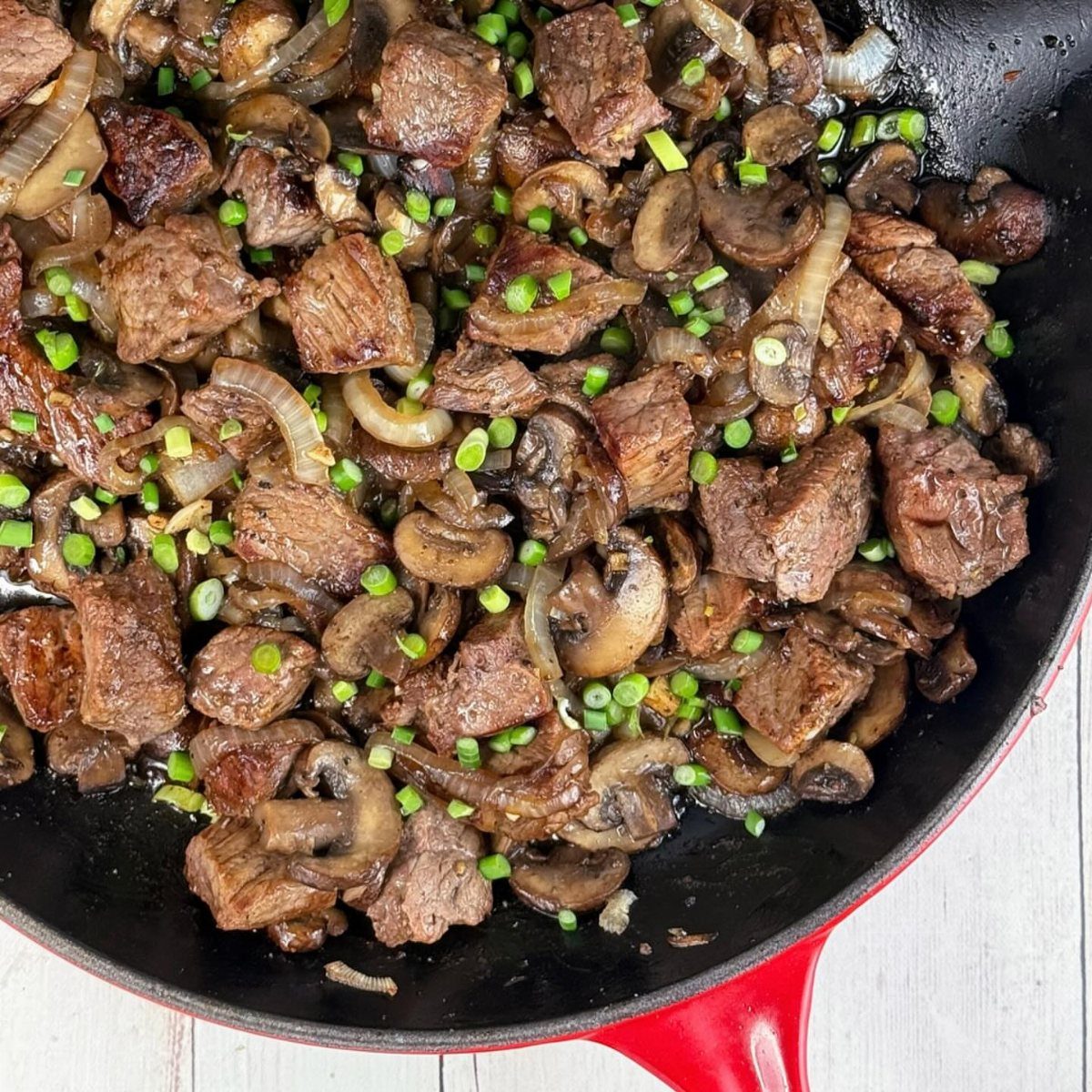
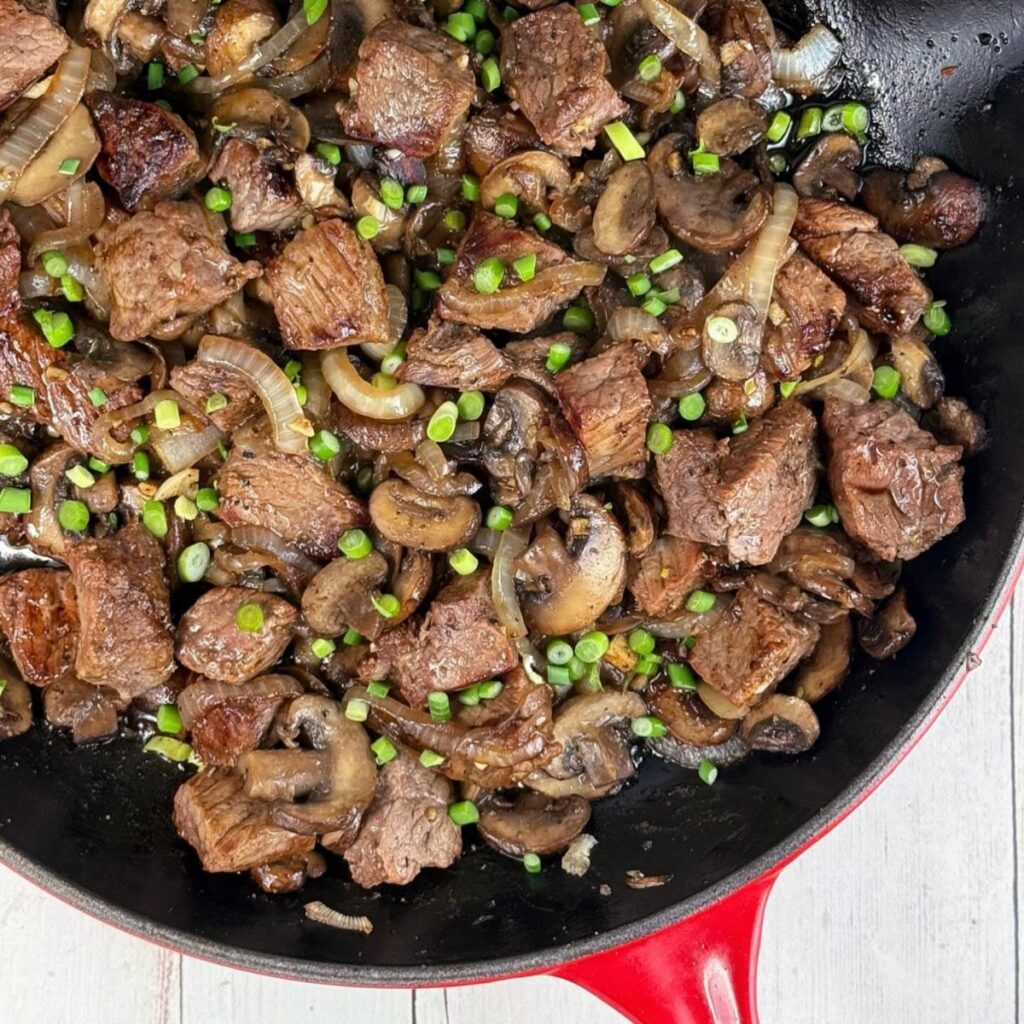
Five ingredients, one skillet, and dinner is done: steak, onions, and a few simple extras. I like cubed steak here because it sears fast and every piece gets browned edges.
Cook the onions until soft and sweet, then add the steak so the juices mingle. Mushrooms stretch the pan without adding many carbs.
5. Creamy Chicken Mushrooms
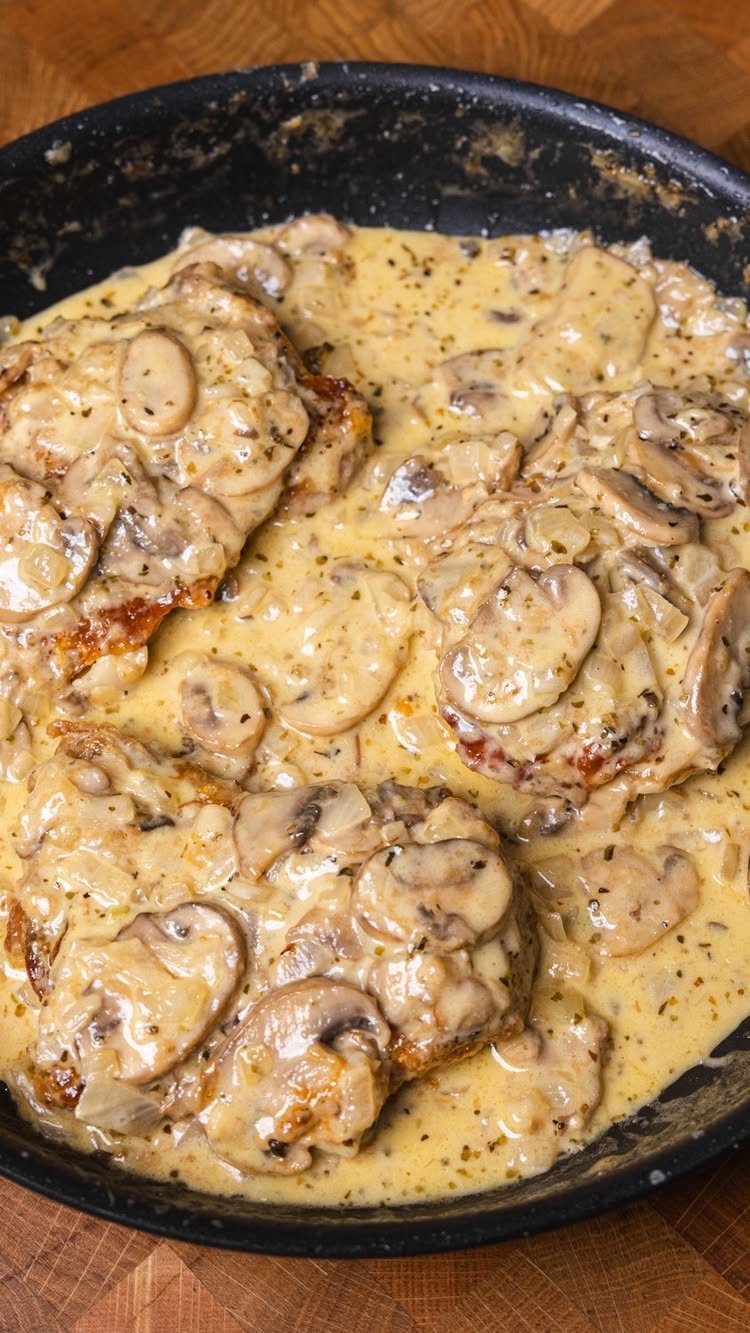
Creamy mushroom chicken is flexible about its mushrooms. Cremini, white button, or a mix all work, and a blend gives the sauce more depth than one kind alone.
Brown the chicken breasts in a skillet first, then build the sauce in the same pan so the browned bits flavor it.
Cream and mushrooms keep carbs low, and the whole thing stays in one pan. Serve it with a green vegetable.
6. Rotisserie Chicken Salad
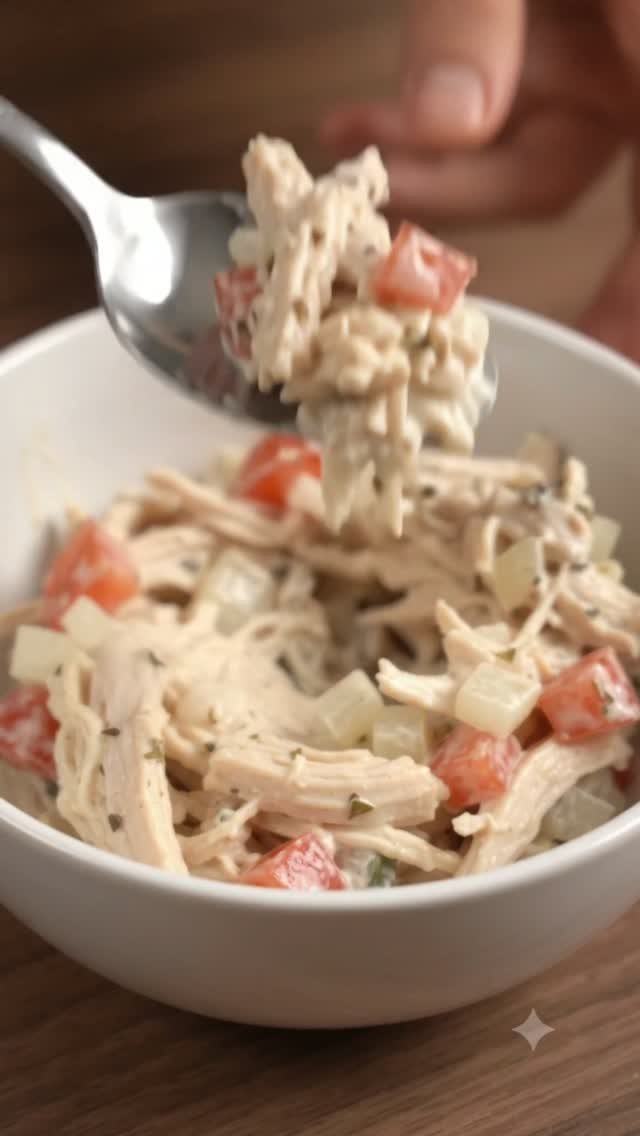
Rotisserie chicken makes this salad a no-cook dinner. Pull the meat off a rotisserie chicken from the grocery store, shred it, and fold in diced tomatoes, celery and onion.
Lemon-herb mayonnaise is the dressing, and it carries the whole bowl with little work.
Mix it right in the bowl you’ll serve from for fewer dishes. Eat it on its own or in lettuce cups, and it keeps well in the fridge for lunches.
7. Shrimp Ceviche
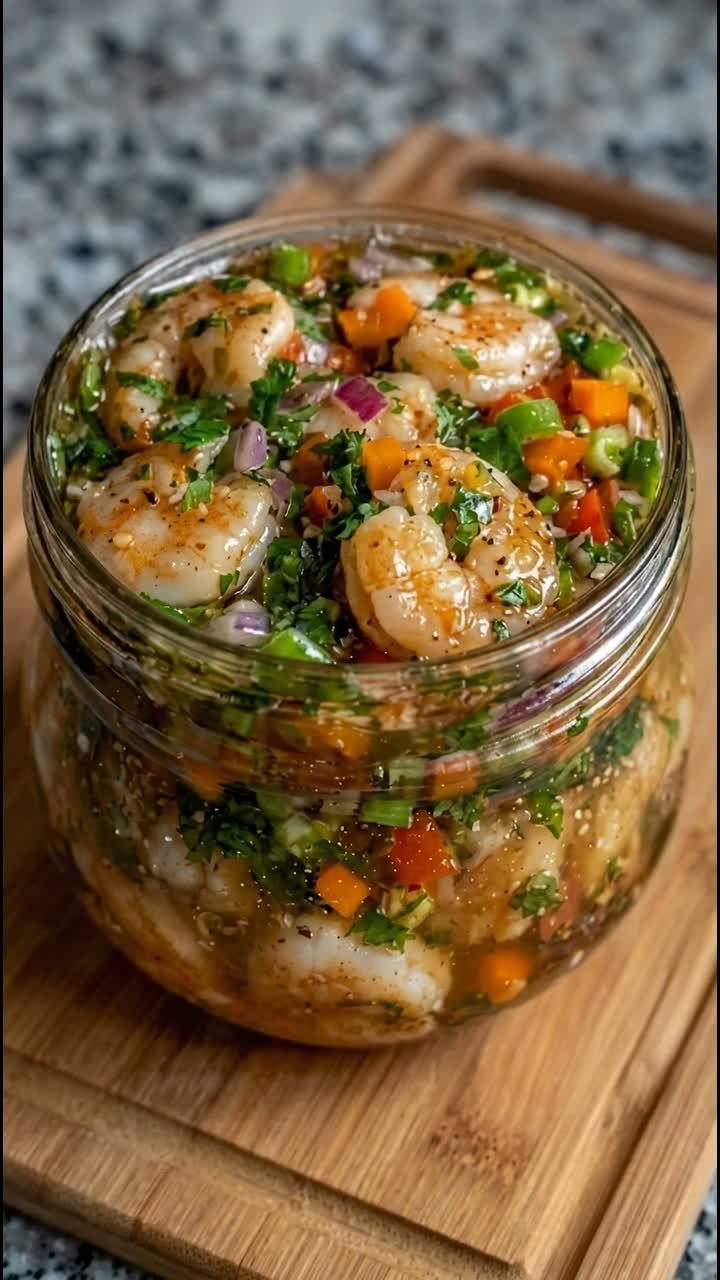
Shrimp ceviche needs no stove at all. Lime or lemon juice turns the shrimp opaque as it sits, and the diced vegetables and cilantro stay crisp alongside.
Cut the shrimp small so the citrus reaches every piece, and give it time in the fridge before you eat.
A jar works well for packing a lunch. Shrimp and fresh vegetables keep the carbs low and the protein high, and there is no pan to wash.
8. Cioppino
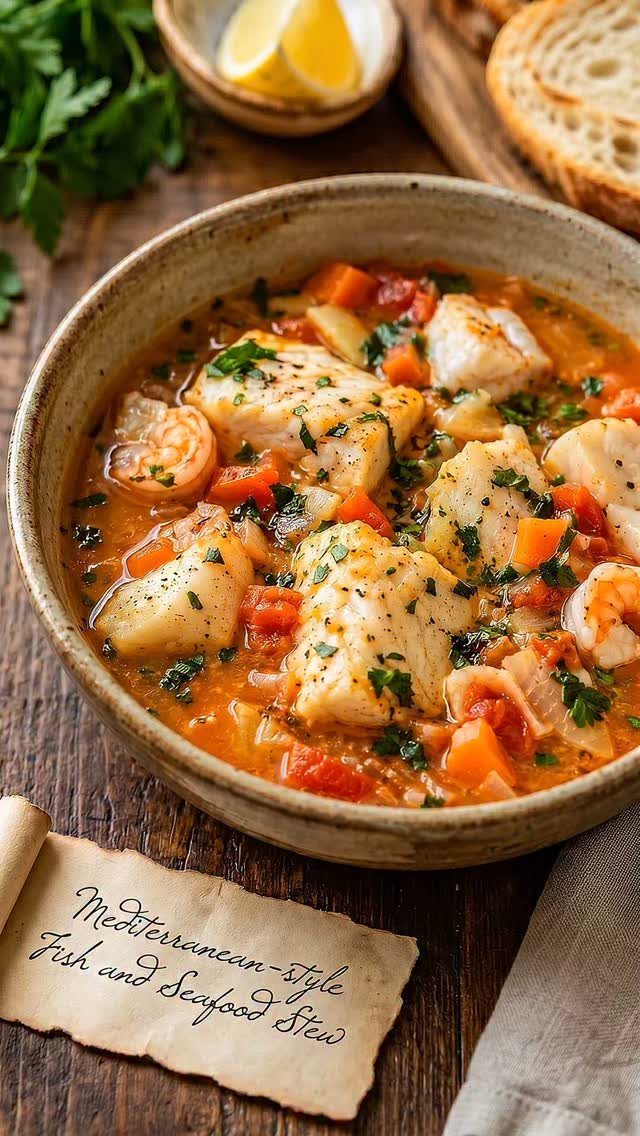
A light seafood stew like cioppino makes a big pot worth the effort, because the extra portions go in the freezer.
Cool the leftovers fully before you freeze them in single-serving containers.
Reheat gently so the fish stays tender. Skip the bread if you’re counting carbs, and keep the lemon for squeezing over the bowl.
9. Roasted Striped Bass
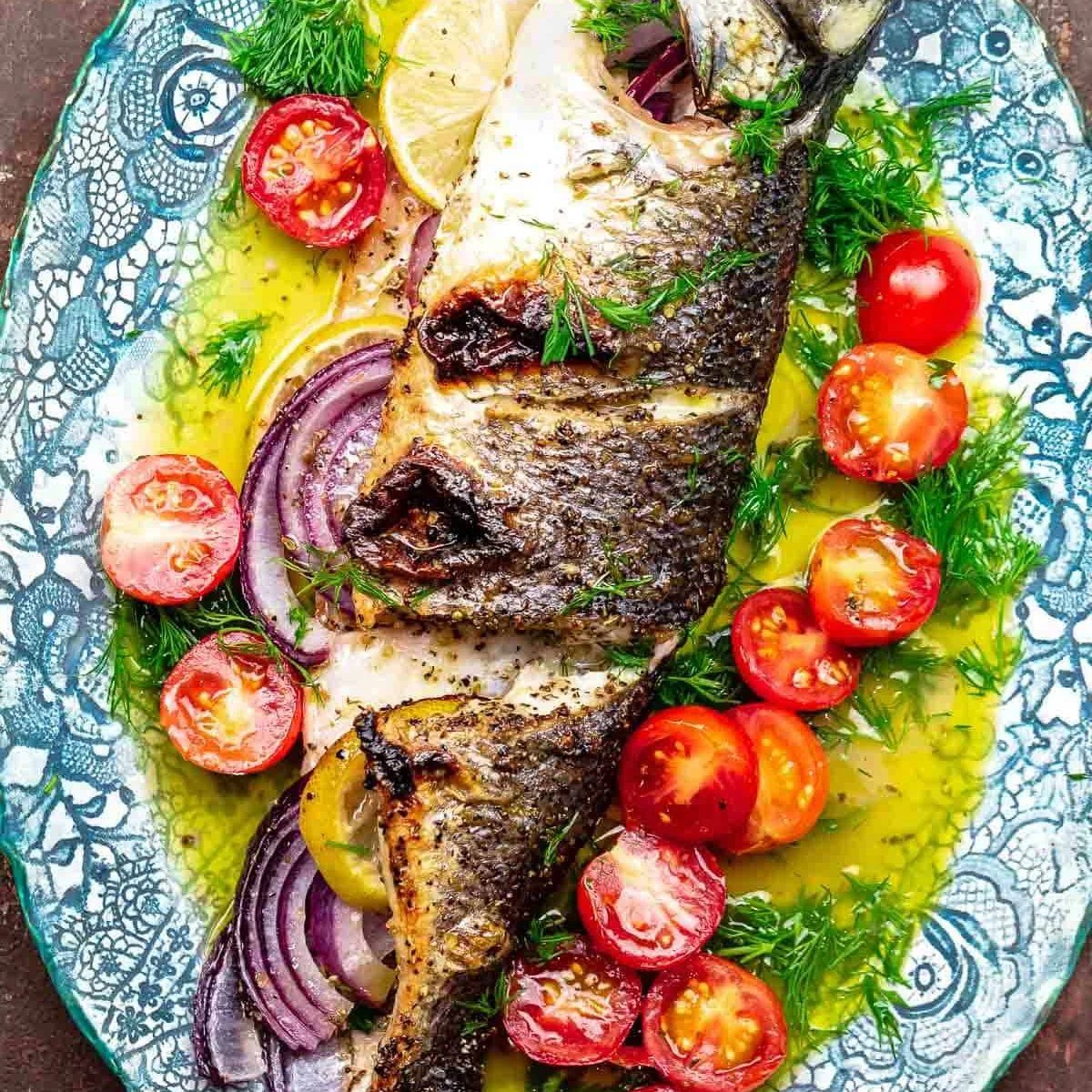
Mild striped bass takes on whatever you put around it, so fresh dill and lemon do most of the seasoning here. Cherry tomatoes and red onion roast alongside, which means the fish and its vegetables share one pan.
Squeeze on as much lemon as you like, since a wedge on the plate lets each person set the brightness.
A yellow sauce is a nice extra, but the fish is fine without it. Pair it with a green vegetable and dinner has almost no carbs.
10. Steak and Green Beans
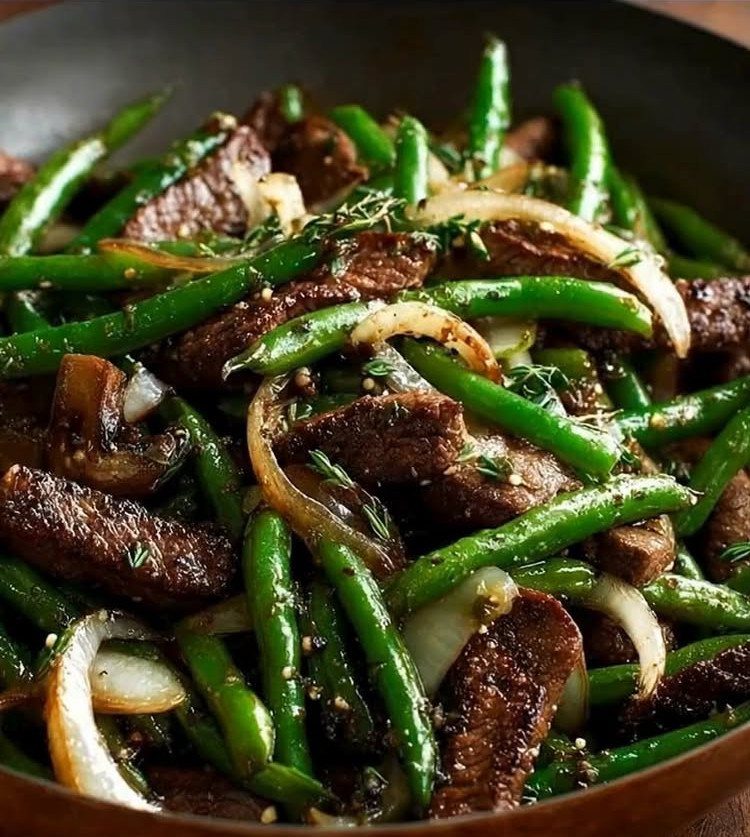
Steak and green beans share one dark skillet, and that is the whole plan. Cook the beans and onions in the pan right after the steak, and they pick up the browned bits left behind.
Slice the steak after it rests.
One pan means a short cleanup, and the beans keep the carbs low. This is a weeknight dinner I would pick over anything that needs a second burner.
11. Chili Tilapia Asparagus
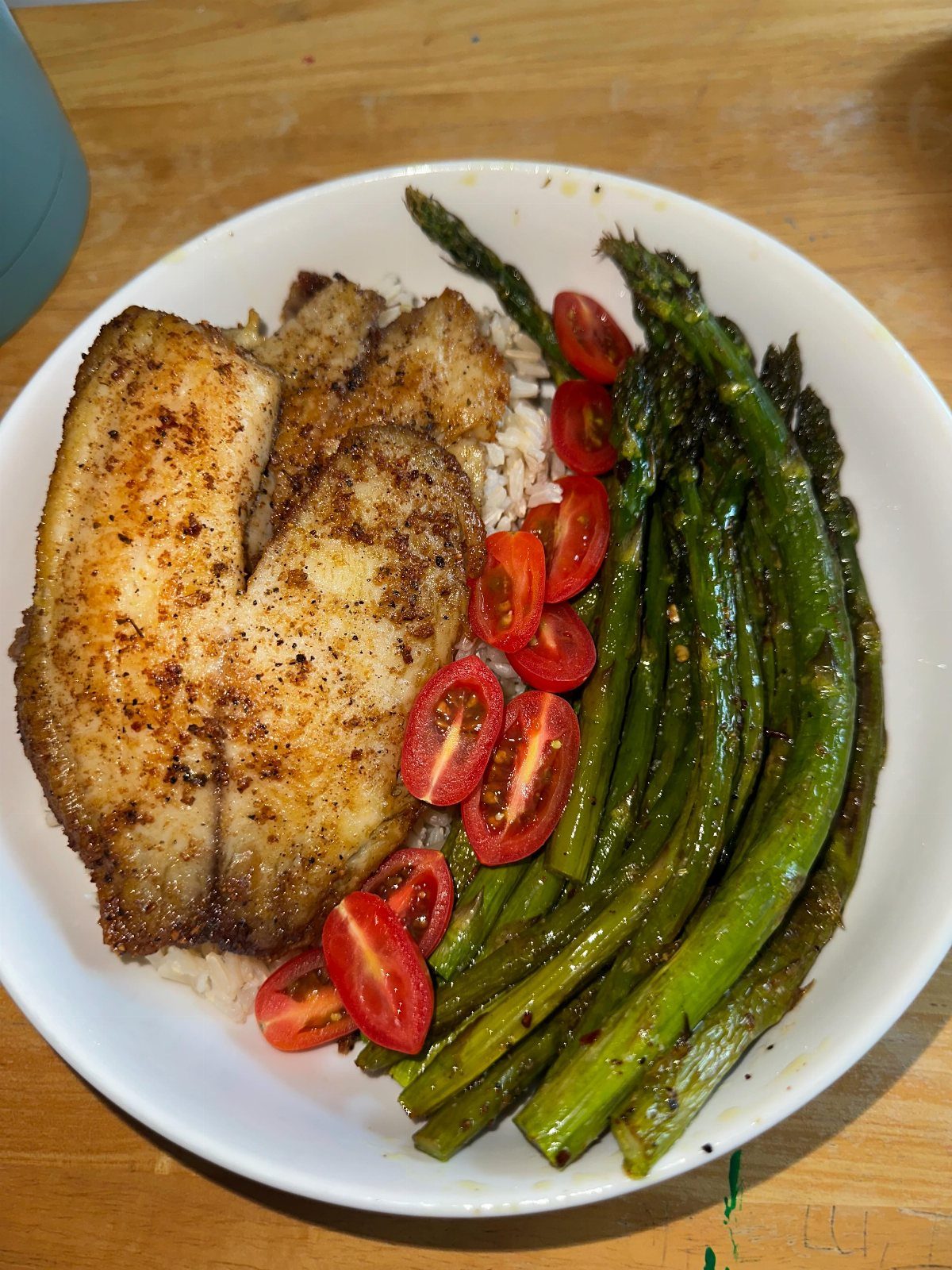
A spice rub on tilapia fillets gives a mild fish real flavor in minutes. Asparagus and lemon cook with it, and cherry tomatoes add a fresh finish.
The rice underneath is optional.
For low carb, leave it out and let the fish and vegetables carry the plate, or serve a small scoop if your count allows. Tilapia is a budget-friendly fish, and asparagus needs only a quick cook.
12. Grilled Chicken Breast
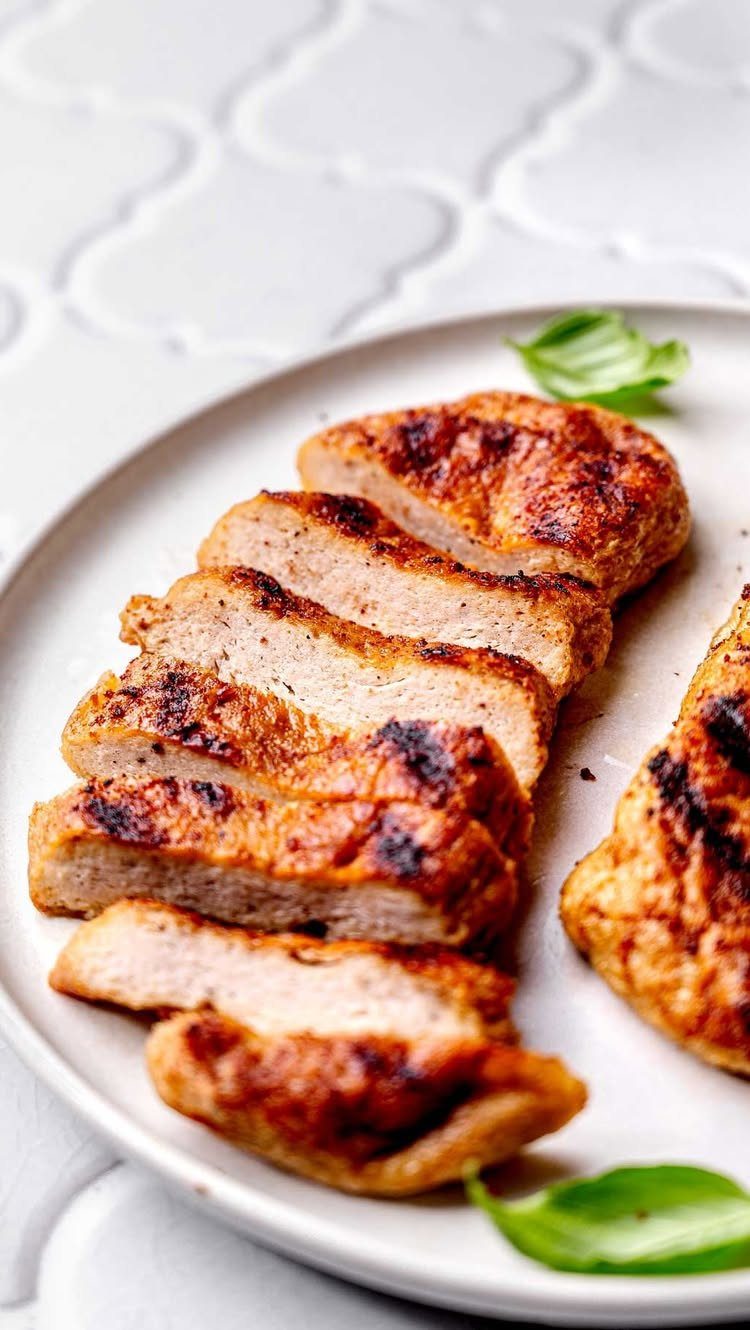
Plain grilled chicken breast earns its place when the seasoning is right. Season it well before it hits the grill, slice it, and finish with fresh basil for a clean, simple protein.
It works as a base for the week.
Cook several breasts at once and use the slices in salads or next to vegetables. Nothing here adds carbs, so it fits any low-carb plan.
13. Chicken and Vegetable Plate
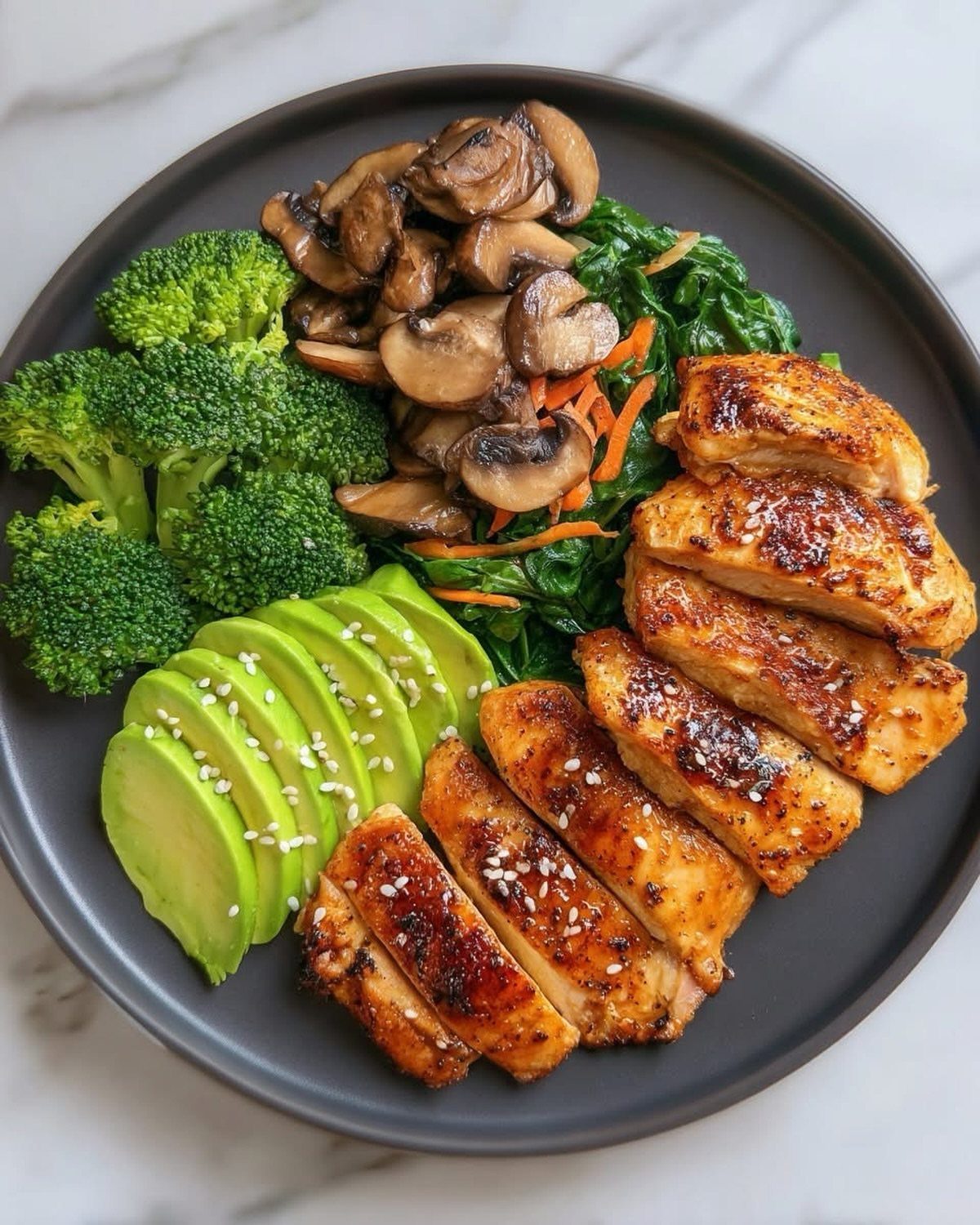
Glazed chicken breast with avocado, broccoli and sautéed mushrooms is a plate that fills you up on protein and healthy fat while the carbs stay low. Slice the avocado right before serving so it stays green.
Steam the broccoli until just tender and cook the mushrooms in the same pan you used for the chicken, so the glaze leftovers season them.
Watch the glaze: sweet ones add sugar, so brush on a thin coat if you’re counting carbs.
14. Breaded Chicken Fillets
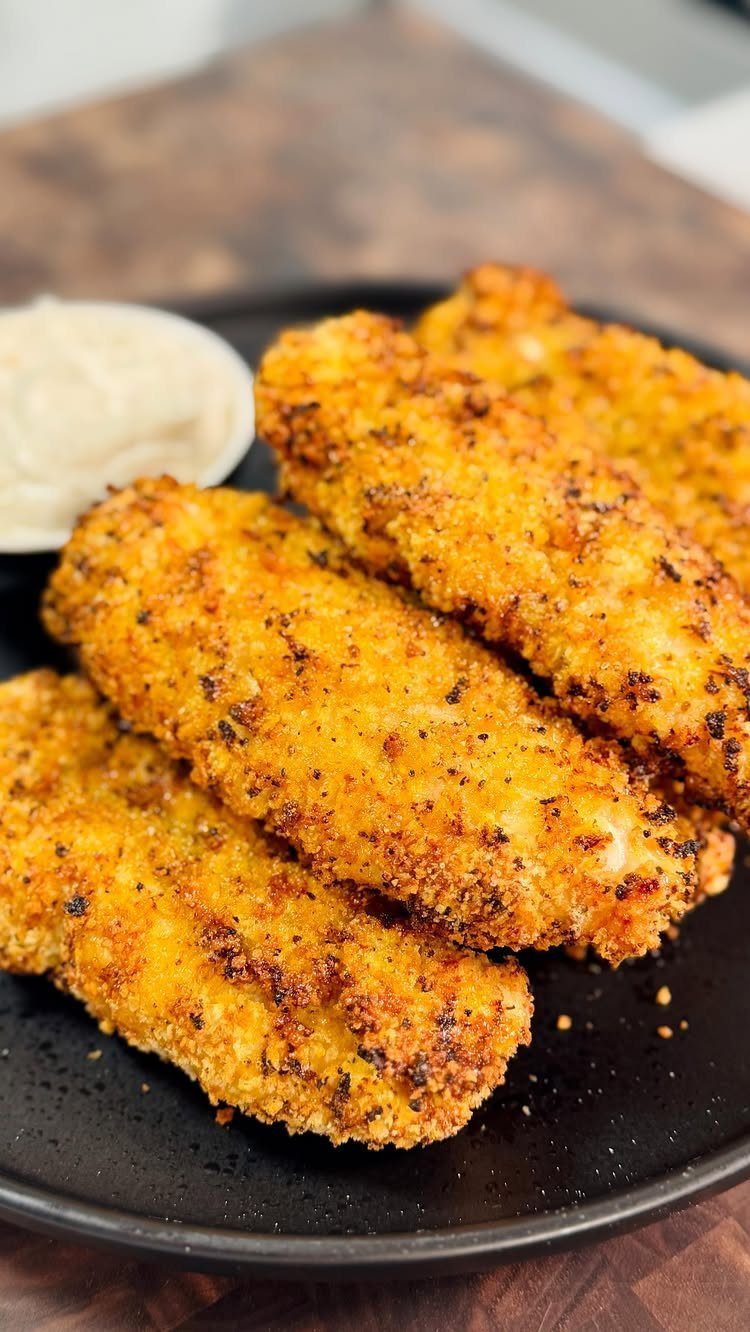
Breaded chicken breast fillets earn their spot on a low-carb list only if you handle the coating with care, since breading is where the carbs hide.
Keep the crumb layer thin and even, and the fillets still brown to a crisp gold.
A dipping sauce makes the plate feel like a treat.
Pick a creamy, unsweetened one and skip ketchup-style sauces, which add sugar. Pair the fillets with a green vegetable or a simple salad.
15. Seitan Pieces
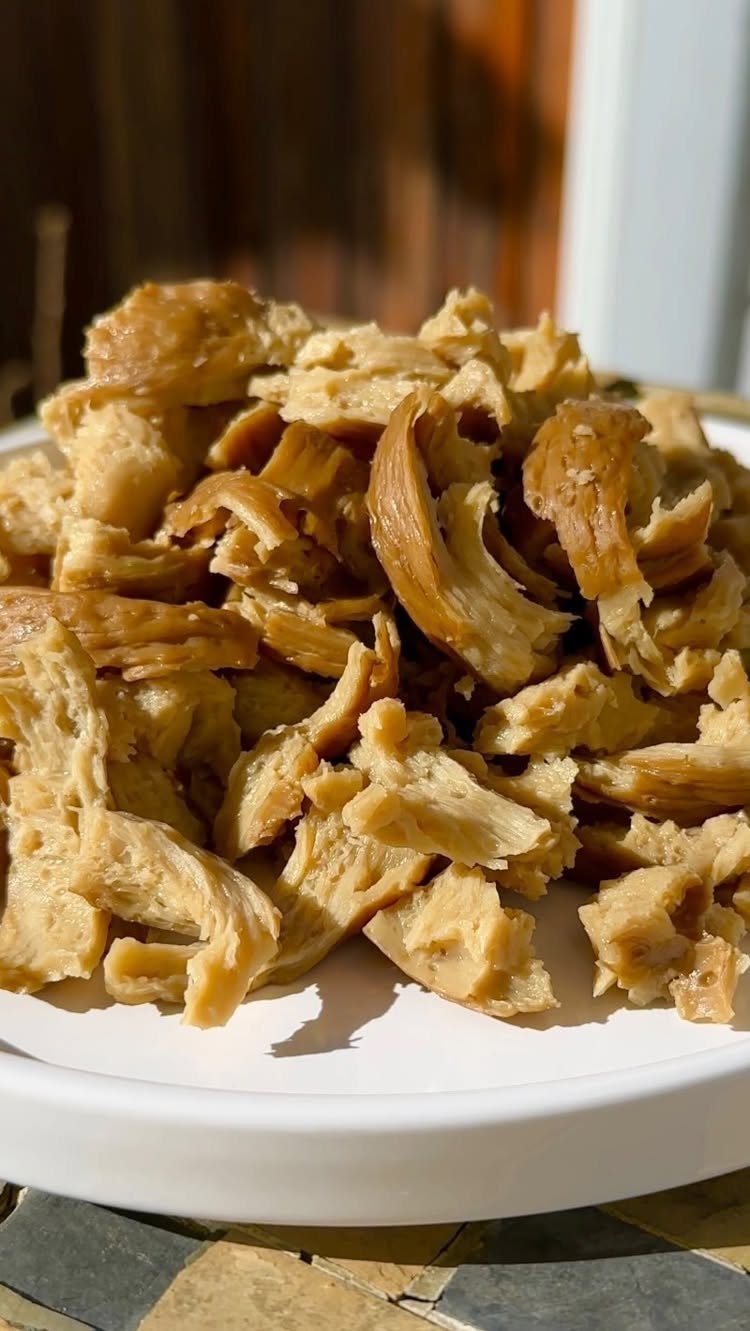
Seitan is the meat-free protein here, and browned chunks give it the chew and crisp edges that make it feel like a main course.
Brown it in a hot skillet without crowding, and leave the pieces alone until they release easily.
Because seitan is concentrated wheat gluten, vegetarians and vegans can eat it freely, but anyone with celiac disease or a gluten sensitivity should skip it.
Season it boldly, since it is mild on its own. Roasted or sautéed vegetables go well beside it, and a sauce tossed over the pieces as the last step coats them evenly.
Protein Portions and Distribution
Aim for 20–30 g at each meal and around 10 g per snack, instead of saving most of it for dinner.
More is not better past a point. Harvard Medical School suggests capping intake at 2 g per kg, which is roughly 136 g for a 150-pound man.
Eating far more protein than you need can stress the kidneys, raise the odds of kidney stones, and leave you dehydrated, so keep water close and check with your doctor before you change your diet.
Low-carb Food Choices
Low carb does not mean no carbs from plants. Non-starchy vegetables stay on the plate because they rank low on the glycemic index; I’d cut back on added sugar, grains, starchy vegetables such as white potatoes, and most fruit.
Sweet potatoes and beets are lower glycemic root vegetables, so a modest portion fits.
For snacks, string cheese or Babybel is easy to toss in a bag or keep at your desk. Most nuts, seeds, seafood, and poultry give you plenty of protein without many carbs.
A useful benchmark when you plan dinners: no more than 14 g of carbohydrate and at least 15 g of protein per serving.
Keeping the ingredient list to five or fewer, not counting pantry staples, makes that easy to hit on a weeknight.
Meal Planning and Preparation
If you build your own plan, start with the protein target for each eating occasion, then fill in meals that fit it. Spreading protein across the day is easier when each slot already has a default.
Lean on make-ahead recipes and leftovers for the busiest days. Keep a few no-cook salads, slow-cooker meals, and dinners that take under 30 minutes in rotation so a tired evening never turns into takeout.
Frequently Asked Questions
What foods are high in protein but low in carbs?
Poultry, seafood, most nuts and seeds, eggs, and cheese snacks like string cheese or Babybel all deliver plenty of protein with few carbs.
Cheese sticks travel well in a bag or desk drawer, which makes them an easy snack. A side of non-starchy vegetables fills out the plate for very few carbs.
What are some examples of low-carb foods?
Eggs, chicken and turkey, fish and shellfish, most nuts and seeds, string cheese, and non-starchy vegetables like broccoli, zucchini and spinach all keep carbs low.
Added sugar, grains, starchy vegetables like white potatoes, and most fruit are what I would cut back on.
How do I get 60 g of protein in one meal?
You can, but it is not the best use of your protein. Muscle does best with protein in regular doses, and one giant meal builds no more of it than the same amount spread across the day.
Plan on 20–30 g at each meal, four times a day, and you will land in a sensible range.
Can you eat too much protein in one meal?
Past a certain size, a single serving adds nothing. Packing a whole day of protein into one meal does no more for muscle protein synthesis than spacing it out.
Tracer studies show only about 8% of dietary amino acids, roughly 4 g out of 50 g, turn into blood glucose, so blood sugar typically stays steady. Aim for 20–30 g per meal instead.
What are the signs you need more protein per meal?
If you’re hungry again within 2 hours, fade in the afternoon, stay sore for days, or crave sugar often, that meal probably came up short on protein.
A meal with 20–30 g of protein and some fiber digests more slowly, which keeps your brain and muscles fed more evenly.
Is a high-protein, low-carb diet right for me?
It depends on your body type, body composition, and goals, so define those before you switch.
Extra protein mostly helps you add muscle without adding fat, so if you rarely exercise you may get little out of it. See your doctor first to make sure no health condition makes this style of eating a bad fit.