

The Ultimate Collection: 20 Christmas Cookie Recipes to Make You the Star of the Holidays is an essential guide for any festive gathering.
Imagine the joy as your home fills with the warm aroma of freshly baked cookies, each one a little piece of holiday magic.
From classic gingerbread to innovative peppermint-infused delights, this collection offers a cookie for every palate.
Whether you’re a seasoned baker or a newbie, these recipes promise straightforward instructions and delectable results.
Perfect for gift-giving, family gatherings, or simply indulging in holiday cheer, this collection will elevate your holiday baking game.
The History and Cultural Significance
• The Ultimate Collection traces its origins to European traditions, where cookies have been a festive staple since the Middle Ages.
• The dish evolved over decades as ingredients like sugar, spices, and flavorings became more accessible, eventually becoming the beloved versions we know today.
• In cultures worldwide, Christmas cookies traditionally appear during holiday celebrations, symbolizing warmth, generosity, and festive spirit.
• While many variations exist across different regions, the authentic version maintains a balance of sweetness and spice that sets it apart from imitations.
Recipe Overview
Nutritional Information (per serving)
Essential Equipment Guide
Stand Mixer: A stand mixer is crucial for creaming butter and sugar to achieve the perfect cookie texture. While a hand mixer can be used, a stand mixer offers consistent results and hands-free operation. Look for a model with multiple speed settings.
Cookie Cutters: These help create uniform shapes and sizes, essential for presentation and even baking. Metal cutters tend to be sharper and more precise than plastic ones.
Baking Sheets: Heavy-duty baking sheets provide even heat distribution. Non-stick or parchment-lined sheets prevent sticking without excess greasing.
Ingredients
For the Dough
|
| Amount | Ingredient | Notes |
|---|---|---|
| 3 cups | all-purpose flour | sifted for light texture |
| 1 cup | unsalted butter | softened to room temperature |
| 1 cup | sugar | adds sweetness |
| 2 teaspoons | vanilla extract | for flavor |
| 1 teaspoon | baking powder | helps dough rise |
| 1/2 teaspoon | salt | enhances flavor |
| 2 large | eggs | binds ingredients |
For the Decoration
| Amount | Ingredient | Notes |
|---|---|---|
| 1 cup | powdered sugar | for icing |
| 2 tablespoons | milk | for icing consistency |
| 1 teaspoon | vanilla extract | for icing flavor |
| Various colors | food coloring | for decoration |
Preparation Methods
Creaming Butter and Sugar: This technique involves beating butter and sugar together until light and fluffy, which is essential for creating a tender cookie texture. Use a stand mixer for best results, and ensure the butter is at room temperature.
Chilling the Dough: Chilling the dough allows the fats to solidify, preventing the cookies from spreading too much in the oven. Wrap the dough tightly in plastic wrap and refrigerate for at least an hour.
Royal Icing Technique: Creating royal icing involves mixing powdered sugar with egg whites or meringue powder to achieve a glossy finish. Use piping bags for precision and practice steady hand movements for intricate designs.
Step 1: Prepare Ingredients
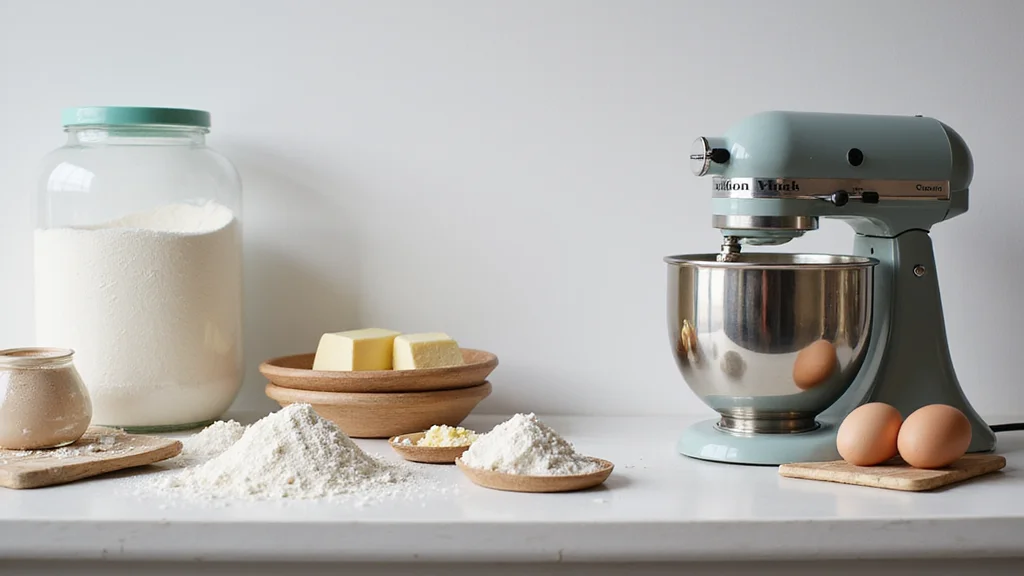
Gather all ingredients and tools before starting.
Ensure butter is softened and eggs are at room temperature.
Measure flour, sugar, and other dry ingredients accurately.
Preheat your oven to 350°F (175°C) to ensure it's ready when the dough is.
Step 2: Cream Butter and Sugar
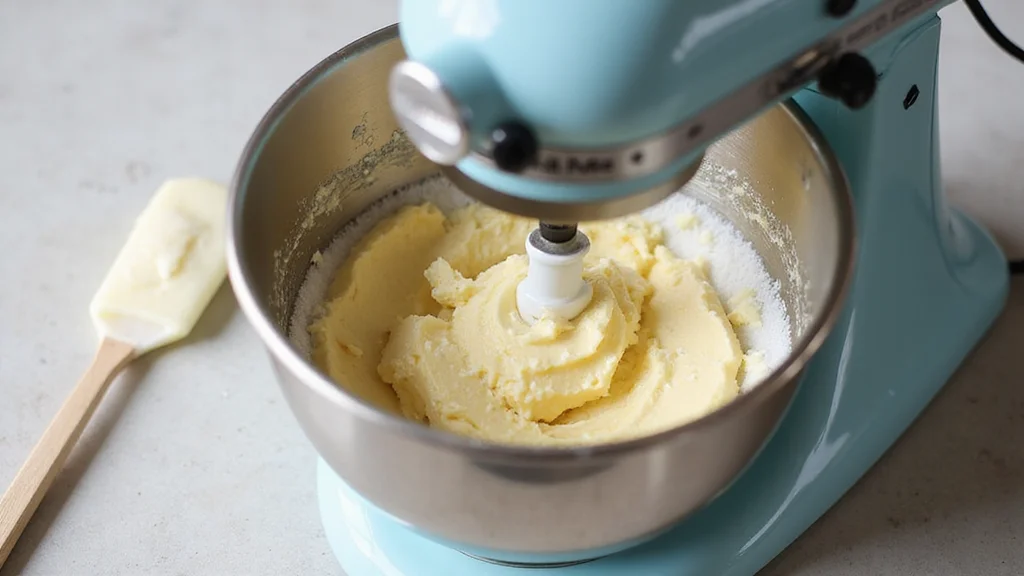
Place softened butter and sugar in the stand mixer's bowl.
Beat on medium speed until the mixture is light and fluffy.
This process should take about 3-5 minutes.
Scrape down the sides of the bowl to ensure even mixing.
Step 3: Add Eggs and Vanilla
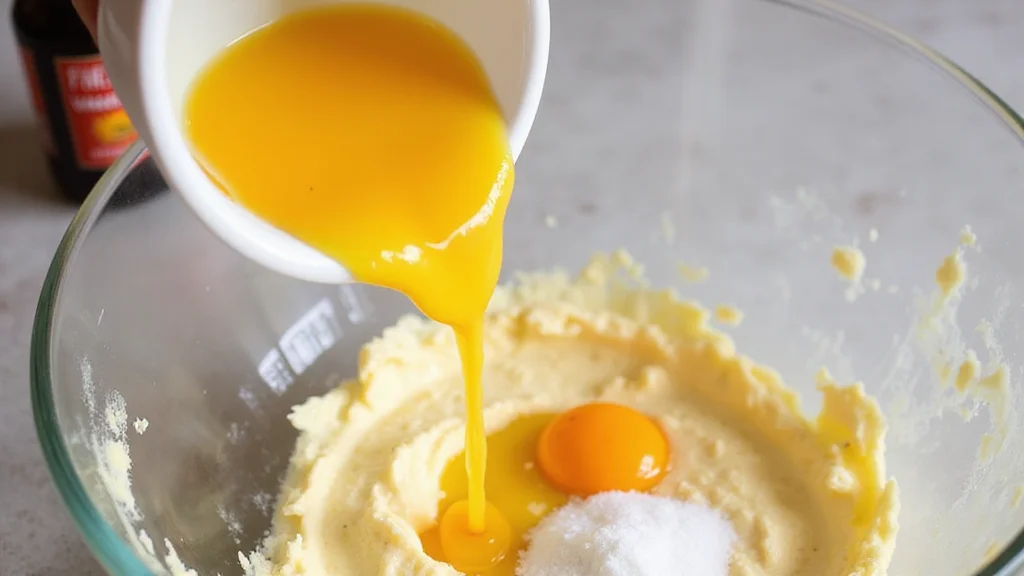
Add eggs one at a time, mixing well after each addition.
Pour in the vanilla extract and continue to mix until combined.
Ensure the mixture is smooth and no streaks of egg remain.
Pause to scrape the bowl again for even incorporation.
Step 4: Incorporate Dry Ingredients
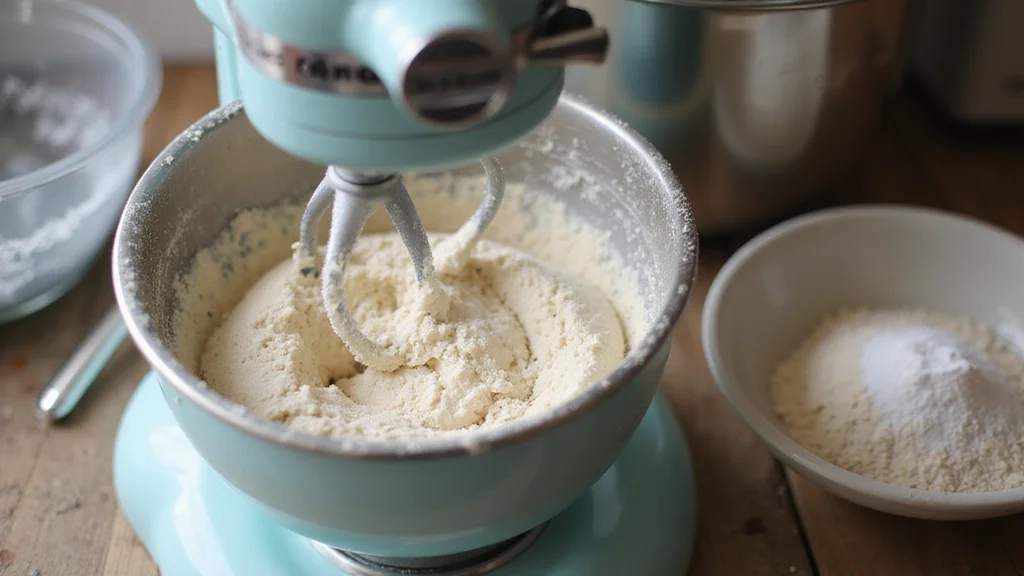
In a separate bowl, whisk together flour, baking powder, and salt.
Gradually add dry mixture to wet ingredients, mixing on low speed.
Mix just until the dough comes together and no dry streaks remain.
Avoid over-mixing to prevent tough cookies.
Step 5: Chill the Dough
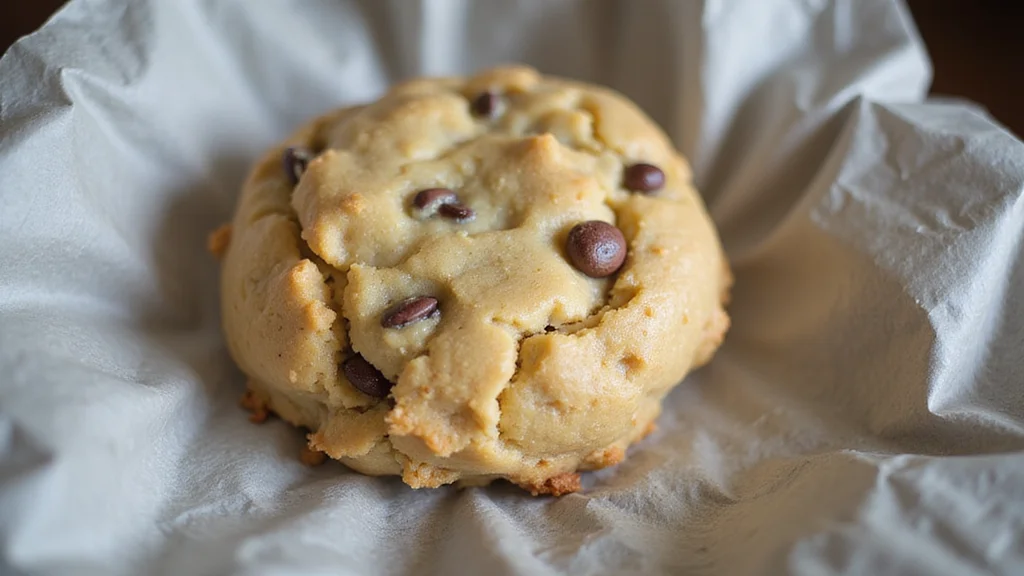
Wrap the cookie dough in plastic wrap.
Refrigerate for at least 1 hour to firm up.
This step prevents cookies from spreading too much during baking.
Dough should feel firm to the touch before rolling out.
Step 6: Roll Out the Dough
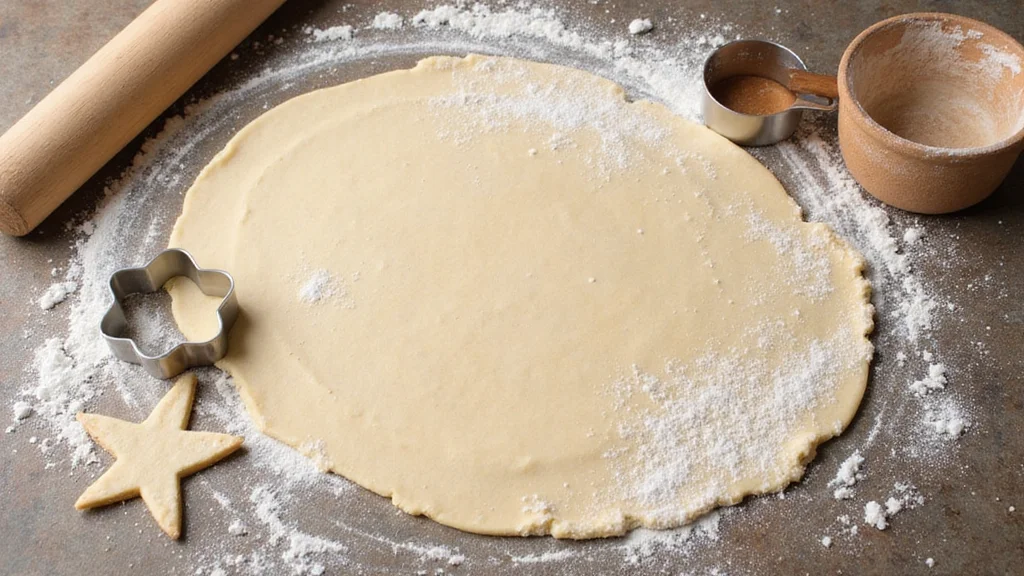
Lightly flour your work surface and rolling pin.
Roll dough to about 1/4 inch thickness.
Use cookie cutters to shape into desired forms.
Transfer cut cookies to a lined baking sheet.
Step 7: Bake the Cookies
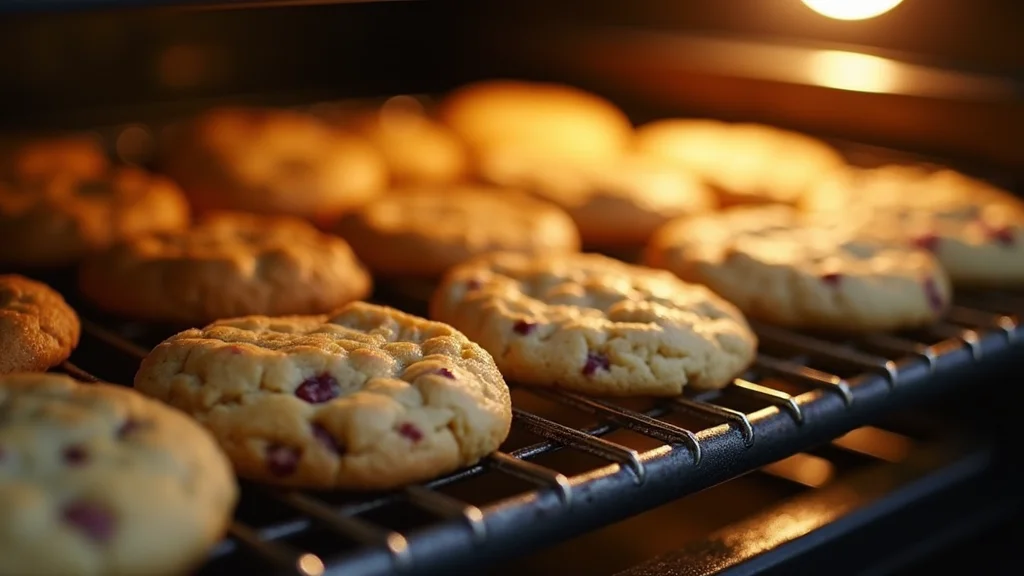
Place cookies in the preheated oven.
Bake for 8-10 minutes until edges are lightly golden.
Cookies should remain pale in the center to ensure softness.
Cool on baking sheets for 5 minutes before transferring.
Step 8: Prepare Icing
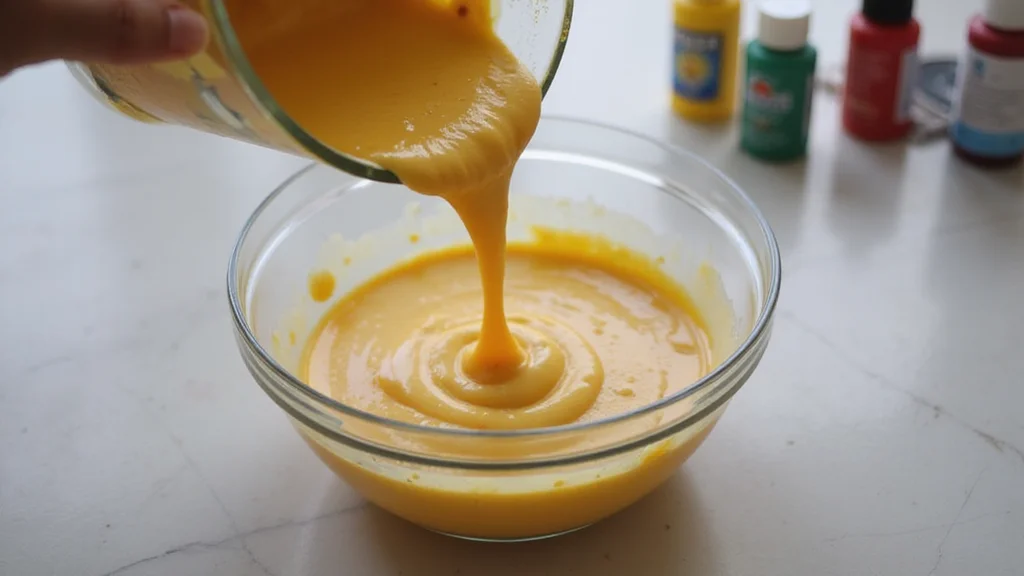
Combine powdered sugar, milk, and vanilla in a bowl.
Stir until smooth and glossy.
Adjust consistency with more milk or sugar as needed.
Divide icing into bowls and add food coloring for decoration.
Step 9: Decorate the Cookies
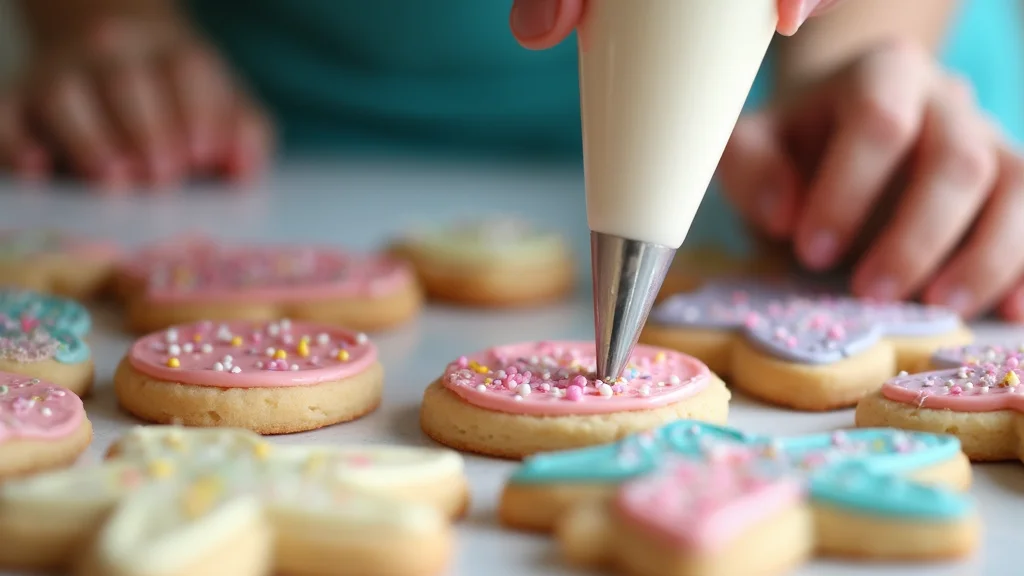
Use piping bags to apply icing to cooled cookies.
Decorate with your choice of colors and designs.
Allow icing to set completely before storing.
Get creative with patterns and embellishments.
Step 10: Store or Serve

Once icing is dry, store cookies in an airtight container.
Separate layers with parchment to prevent sticking.
Cookies can be stored at room temperature for up to a week.
Serve on a festive platter for guests.
Critical Timing and Temperature Guide
Baking: Bake at 350°F (175°C) for 8-10 minutes, looking for lightly golden edges. Overbaking leads to hard cookies, so remove them while centers are still pale.
Chilling: Chill dough for at least 1 hour to firm up fats. Dough that is not chilled may spread too much and lose shape.
Icing Setting: Allow decorated cookies to set for at least 2 hours. Rushing this step can cause smudged designs and uneven finishes.
Pro Tips for The Ultimate Collection:
• Ingredient Selection: Use high-quality unsalted butter for a rich flavor and avoid margarine, which affects texture.
• Preparation Secret: Sifting flour before measuring ensures a lighter, more consistent dough.
• Temperature Management: Ensure all ingredients are at room temperature for even mixing and better texture.
• Texture Enhancement: Do not over-mix once the flour is added; this keeps cookies tender.
• Flavor Layering: Add a pinch of cinnamon or nutmeg to the dough for a subtle holiday spice.
• Make-Ahead Strategies: Prepare dough in advance and freeze for up to a month; thaw in the fridge overnight before baking.
• Restaurant-Quality Finishing Touches: Sprinkle a touch of edible glitter on iced cookies for a festive finish.
• Equipment Optimization: Use silicone baking mats for even heat distribution and easy cookie removal.
Troubleshooting Common Issues
• Cookies Spread Too Much: This can occur if the dough is too warm or hasn't been chilled long enough. Ensure proper chilling and use cold baking sheets.
• Cookies Too Hard: Overbaking is the usual culprit. Remove cookies when edges are just golden, and centers are still pale.
• Icing Too Runny: If icing is too thin, add more powdered sugar to thicken it. Consistency should be thick enough to hold shapes.
• Uneven Baking: Make sure cookies are the same thickness and size, and rotate baking sheets halfway through baking.
• Flavorless Cookies: Check ingredient freshness, especially spices and vanilla extract, as these contribute significantly to flavor.
Variations and Regional Differences
• German Lebkuchen: This version incorporates honey, almonds, and a spice blend, offering a chewy texture and rich flavor.
• Italian Biscotti: Known for their twice-baked process, these cookies are crunchy and often feature nuts and dried fruits.
• Scandinavian Pepparkakor: Typically spicier, with ginger and cloves, and often cut into intricate shapes.
• American Sugar Cookies: Simpler and sweeter, these are often heavily decorated with frosting and sprinkles.
Food Science Behind the Recipe
• Maillard Reaction: This browning process occurs when baking, enhancing flavor and aroma. Understanding it helps achieve the perfect golden edge.
• Gluten Formation: Over-mixing activates too much gluten, leading to tough cookies. Mixing just until combined ensures tenderness.
• Fat's Role: Butter's fat content creates a tender, moist cookie. Chilling solidifies fat, reducing spread and allowing for more even baking.
Frequently Asked Questions
What's the most common mistake people make when preparing these cookies? Overbaking is a common error; cookies should be removed from the oven when they are just set to maintain a soft texture.
Can I substitute margarine for butter? While possible, it's not recommended as it affects both flavor and texture.
How do I store these cookies to keep them fresh? Store in an airtight container in a cool, dry place; separate layers with parchment paper to prevent sticking.
What if I don't have cookie cutters? Use a glass or freehand shapes with a knife for a more rustic look.
How can I fix icing that is too thick? Gradually add more milk, a teaspoon at a time, until the desired consistency is reached.
Why do my cookies lose their shape? Ensure the dough is properly chilled and baking sheets are not warm when placing raw dough.
Can I freeze the cookies? Yes, baked cookies can be frozen for up to three months. Thaw at room temperature before serving.
Serving and Presentation Guide
• Traditional Presentation: Arrange cookies on a tiered platter lined with festive paper doilies for a classic holiday display.
• Gift-Giving Presentation: Package cookies in decorative tins or boxes with tissue paper for a thoughtful holiday gift.
• Party Serving: Create a cookie bar with different varieties and labels, allowing guests to sample and enjoy.
• Elegant Display: Use a large wooden board to present an assortment of cookies, adding sprigs of holly and berries for decoration.
Conclusion
With The Ultimate Collection: 20 Christmas Cookie Recipes, the holiday season is bound to be a sweet success.
These recipes offer a delightful mix of tradition and innovation, perfect for any celebration.
Whether for sharing or savoring alone, these cookies are sure to spread joy and warmth.
Embrace the spirit of the season and bake your way to being the star of the holidays!