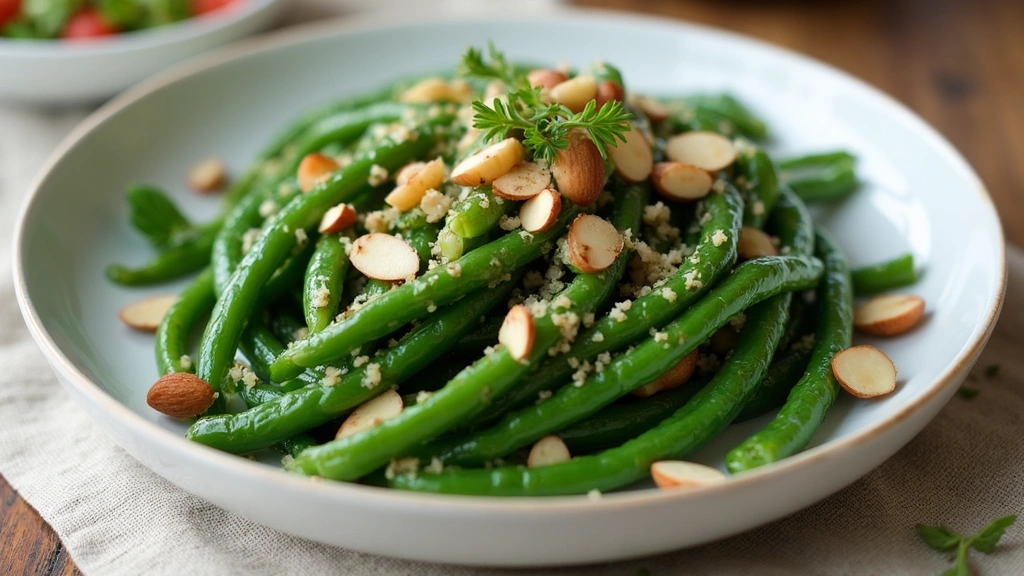

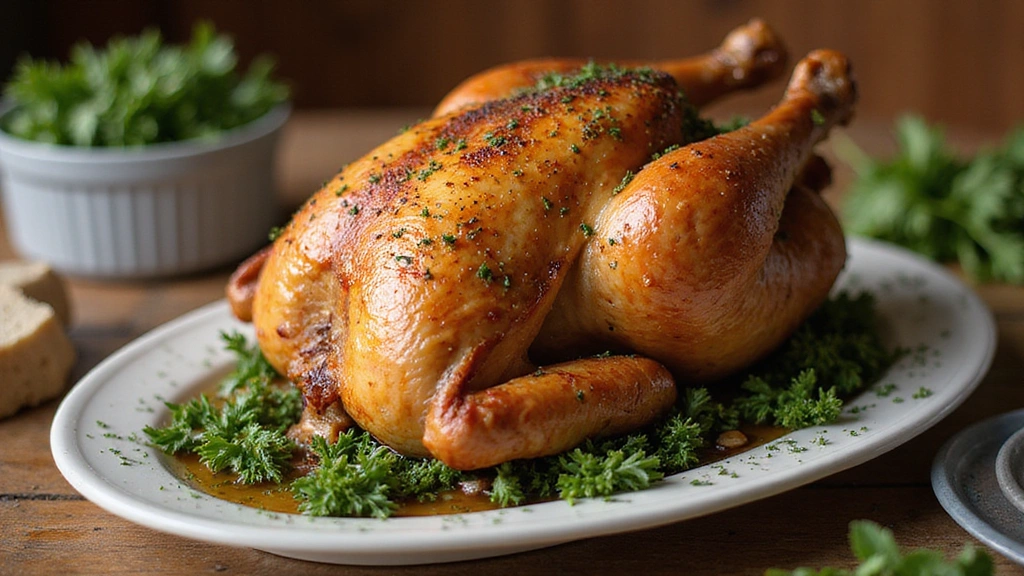
Thanksgiving is synonymous with the delicious aroma of a perfectly roasted turkey wafting through the house.
This Thanksgiving Masterclass: The Ultimate Oven Roasted Whole Turkey Recipe combines tradition with culinary innovation.
It’s a dish that brings family and friends together, creating lasting memories around the table.
With its juicy meat and crispy skin, this turkey recipe is bound to impress your guests.
Whether you’re a seasoned cook or a first-time turkey roaster, this guide will ensure your success.
Prepare to embark on a gastronomic journey that celebrates the essence of Thanksgiving.
The History and Cultural Significance
• Thanksgiving Masterclass traces its origins to North America, where it was originally created by early settlers celebrating the harvest.
• The dish evolved over decades as new cooking techniques and ingredients like butter and herbs were added, eventually becoming the beloved version we know today.
• In American culture, this dish traditionally appears at Thanksgiving celebrations, symbolizing gratitude and abundance.
• While many variations exist across different regions, the authentic version maintains a juicy interior and crispy golden skin that sets it apart from imitations.
Recipe Overview
Nutritional Information (per serving)
Essential Equipment Guide
Roasting Pan: A heavy-duty roasting pan is crucial for even heat distribution and collecting flavorful drippings. Alternatives like disposable aluminum pans may not provide the same quality results. Look for one with sturdy handles and a rack for best results.
Meat Thermometer: Ensures that the turkey is cooked to the perfect internal temperature, avoiding undercooking or drying out. Digital thermometers with quick-read probes are recommended for accuracy.
Basting Brush: Used to brush the turkey with melted butter or drippings to ensure a crispy skin. Silicone brushes are preferred for their heat resistance and ease of cleaning.
Ingredients
For the Turkey
|
| Amount | Ingredient | Notes |
|---|---|---|
| 12 pounds | whole turkey | thawed if frozen |
| 1 tablespoon | salt | enhances flavor and tenderizes |
| 1 teaspoon | black pepper | adds subtle heat |
| 1/2 cup | unsalted butter | melted, adds richness |
| 2 tablespoons | olive oil | promotes browning |
For the Aromatics
| Amount | Ingredient | Notes |
|---|---|---|
| 2 large | onions | quartered, for flavor infusion |
| 2 stalks | celery | chopped, adds depth |
| 2 large | carrots | chopped, for sweetness |
| 1 bunch | fresh thyme | aromatic herb |
For the Gravy
| Amount | Ingredient | Notes |
|---|---|---|
| 1/4 cup | all-purpose flour | thickens the gravy |
| 2 cups | chicken broth | for a savory base |
| 1 teaspoon | worcestershire sauce | adds umami |
| 1 teaspoon | salt | adjust to taste |
Preparation Methods
Brining: Brining involves soaking the turkey in a saltwater solution, which helps it retain moisture during cooking. This technique is crucial for ensuring the meat stays juicy and flavorful. Use a large enough container to fully submerge the turkey, and keep it refrigerated for 12-24 hours.
Trussing: Trussing involves tying the turkey's legs and wings against its body to ensure even cooking. This technique helps the turkey maintain its shape and cook uniformly. Use butcher's twine and ensure it's tied snugly but not too tight.
Basting: Basting is the process of periodically coating the turkey with its own juices or melted butter to enhance flavor and develop a crispy skin. Baste every 30-40 minutes with a basting brush or turkey baster for best results.
Step 1: Prepare the Turkey
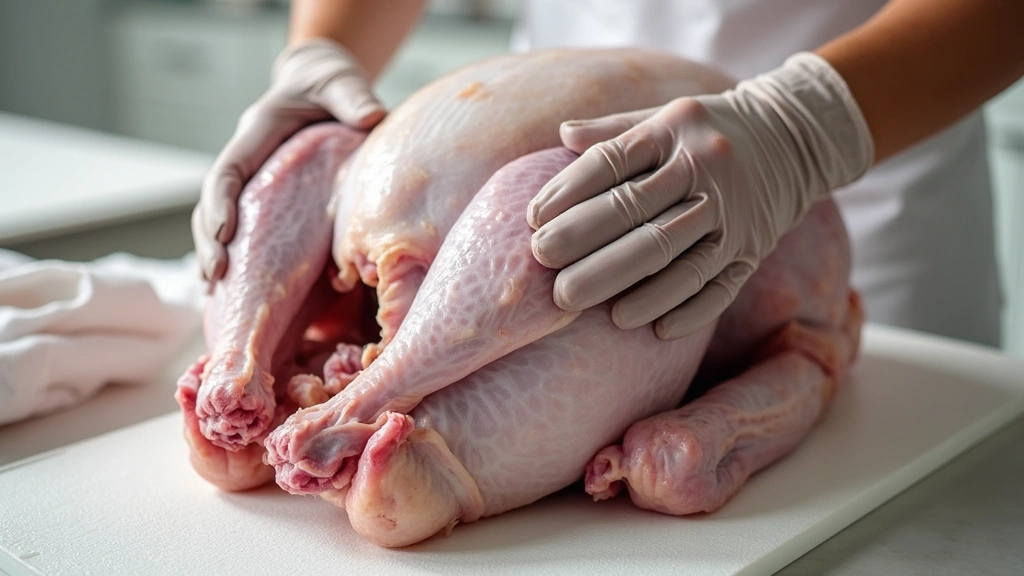
Remove the giblets and neck from the turkey cavity if present.
Rinse the turkey inside and out with cold water and pat dry with paper towels.
Ensure the turkey is completely dry to help the skin crisp up during roasting.
Place the turkey breast-side up on a rack in a roasting pan.
Step 2: Season the Turkey
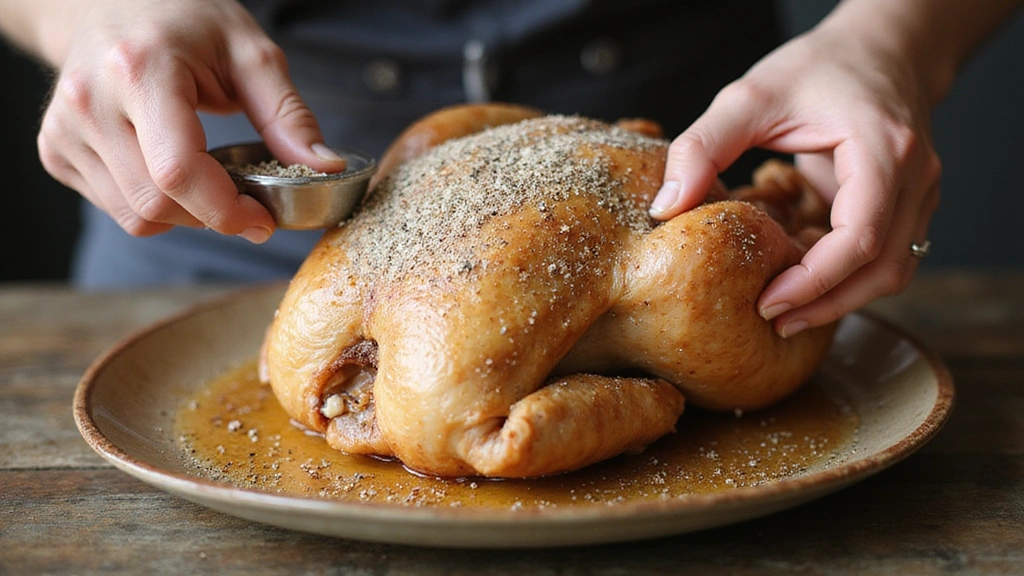
Combine salt and pepper in a small bowl and sprinkle it generously over the entire turkey.
Ensure the seasoning reaches all parts of the bird, including under the skin if possible.
Gently lift the skin and rub some seasoning directly onto the meat for deeper flavor.
Let the turkey sit at room temperature for about 30 minutes to absorb the seasonings.
Step 3: Prepare the Aromatics
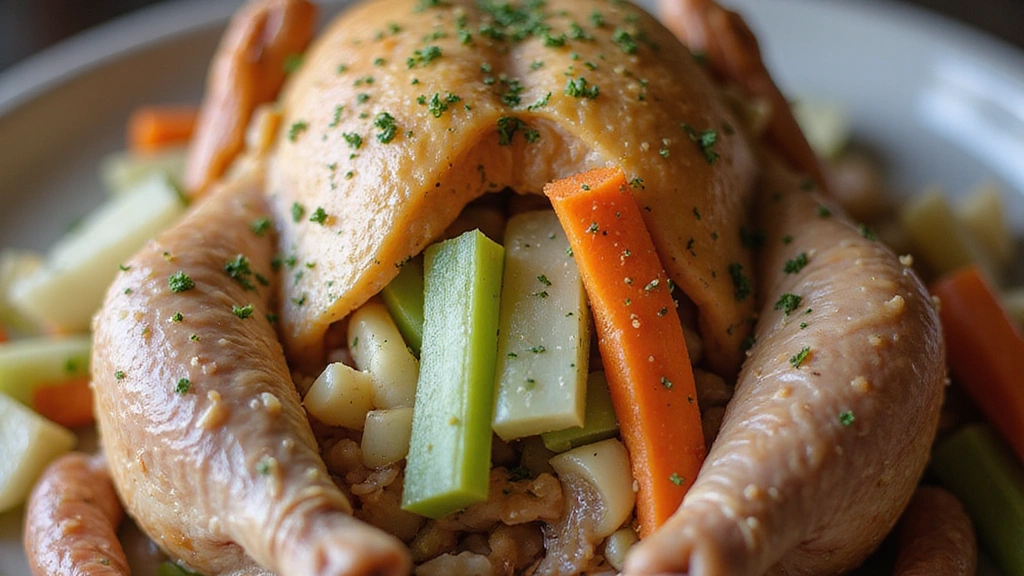
Quarter the onions and chop the celery and carrots into large chunks.
Place the chopped vegetables inside the turkey cavity along with the thyme.
These aromatics will infuse the turkey with additional flavor as it roasts.
Ensure the cavity is not overstuffed to allow air to circulate.
Step 4: Truss the Turkey
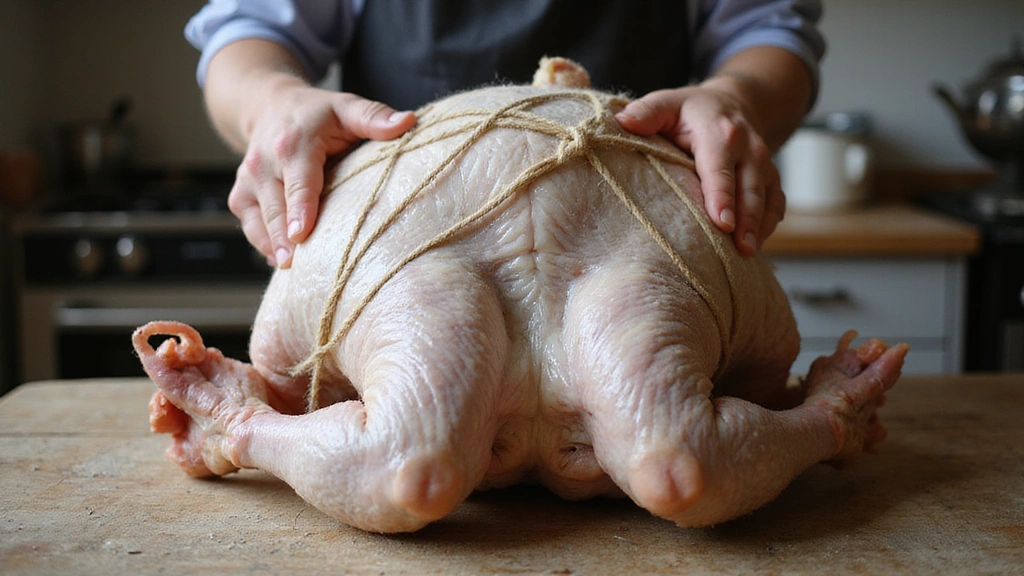
Use butcher's twine to tie the turkey's legs together securely.
Tuck the wing tips under the body to prevent them from burning.
Proper trussing ensures even cooking and maintains the turkey's shape.
Ensure the twine is snug but not too tight to allow for slight expansion during cooking.
Step 5: Preheat the Oven
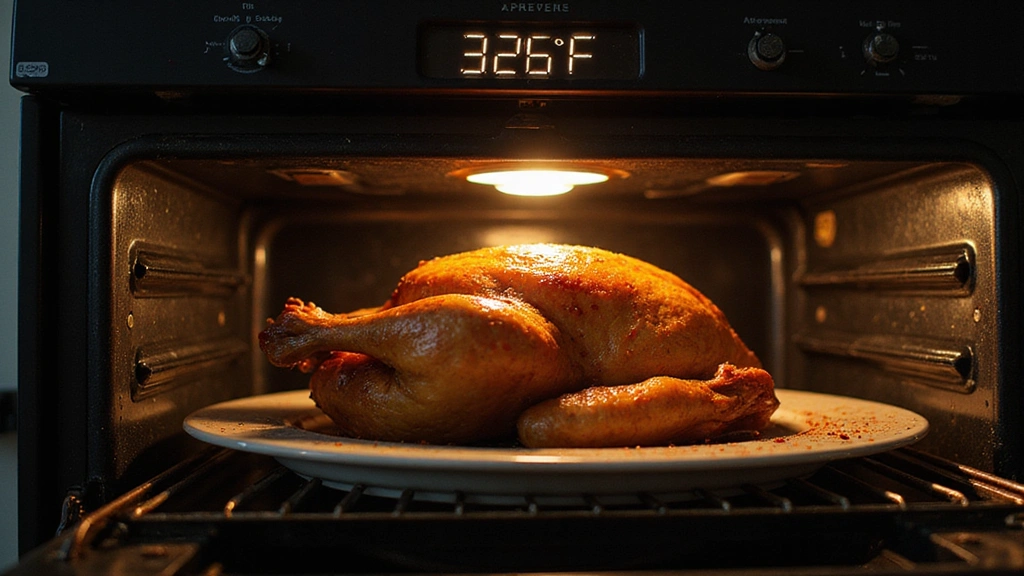
Set the oven to 325°F (163°C) and allow it to fully preheat.
A consistent oven temperature is crucial for even cooking of the turkey.
Position the oven rack in the lower third of the oven to accommodate the turkey's height.
This setup helps achieve a crispy, golden brown skin.
Step 6: Roast the Turkey
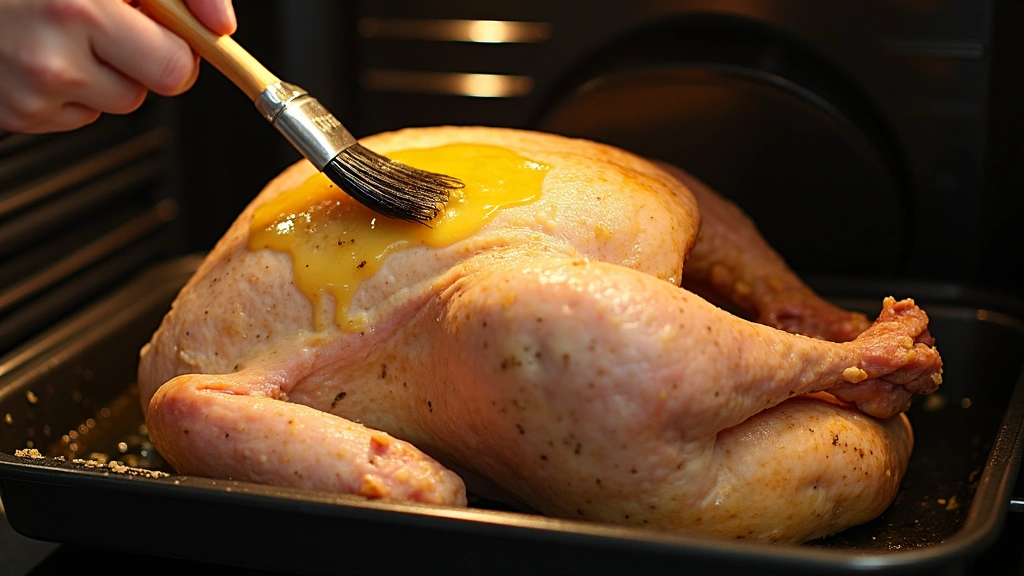
Brush the turkey with melted butter and olive oil mixture.
Place the turkey in the preheated oven and set a timer for 2 hours.
Baste the turkey every 30-40 minutes with its own juices or additional melted butter.
Rotate the roasting pan halfway through for even browning.
Step 7: Check the Temperature
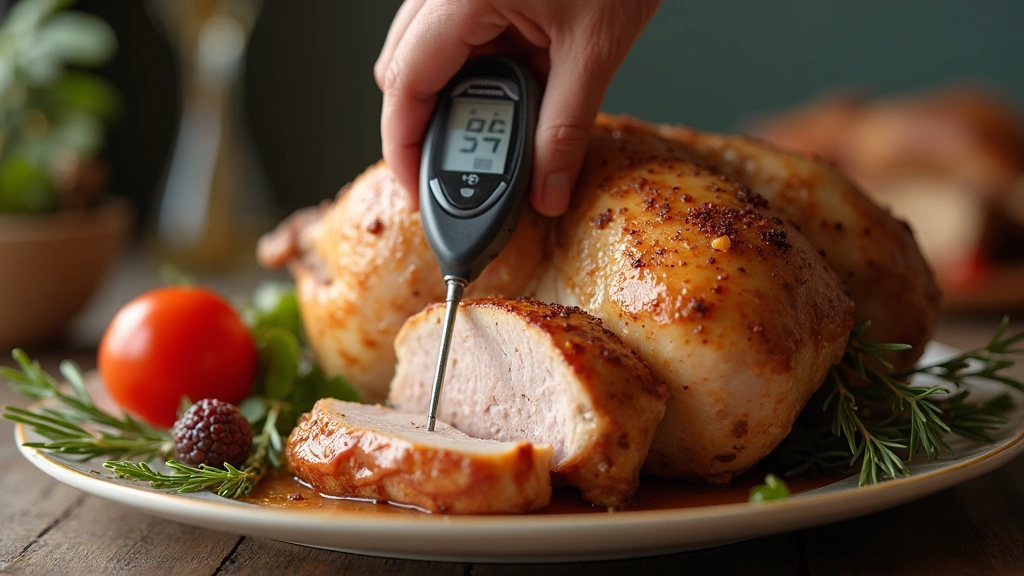
Insert a meat thermometer into the thickest part of the turkey's thigh without touching bone.
The turkey is done when the internal temperature reaches 165°F (74°C).
If needed, continue roasting and check every 15 minutes until it reaches the correct temperature.
Avoid overcooking to ensure the meat remains juicy.
Step 8: Rest and Carve
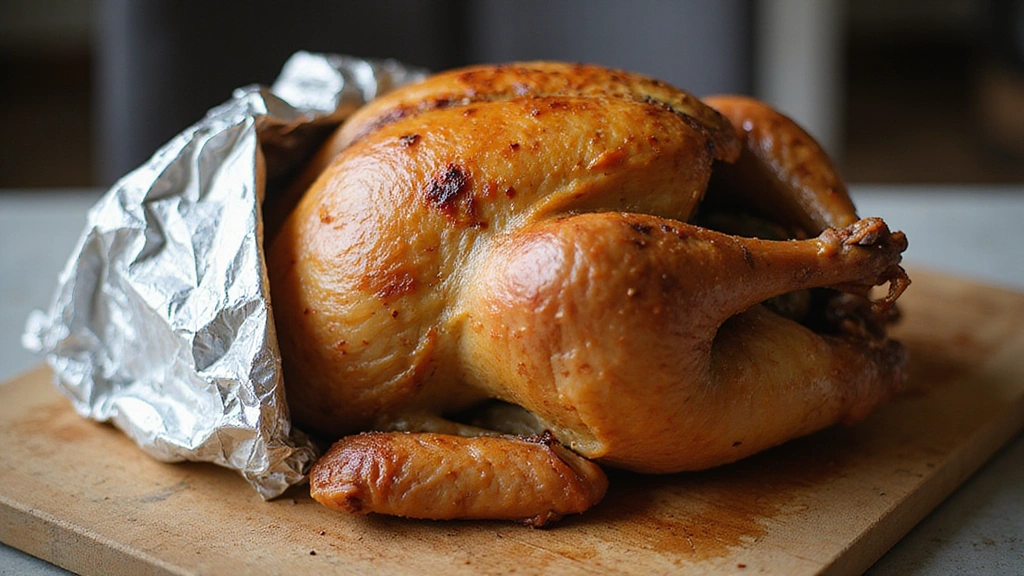
Remove the turkey from the oven and transfer it to a cutting board.
Tent the turkey loosely with foil and let it rest for 20-30 minutes.
Resting allows the juices to redistribute, resulting in tender meat.
Carve the turkey by slicing the breasts and removing the legs and wings.
Critical Timing and Temperature Guide
Roasting Time: Roast the turkey at 325°F (163°C) for about 15 minutes per pound. Ensure the internal temperature reaches 165°F (74°C) for safety. Common mistakes include underestimating the cooking time and not checking the temperature in multiple spots.
Basting Frequency: Baste every 30-40 minutes with pan drippings or melted butter. This helps keep the skin moist and prevents drying out. Avoid basting too often, which can cause heat loss and uneven cooking.
Resting Period: Allow the roasted turkey to rest for at least 20-30 minutes before carving. Resting lets juices redistribute for a juicy result. Skipping this step can lead to dry, tough meat.
Pro Tips for Thanksgiving Masterclass: The
• Ingredient Selection: Choose a fresh, organic turkey if possible; it provides better flavor and texture than frozen.
• Preparation Secret: Dry-brine the turkey by applying the salt mixture directly to the skin and leaving it uncovered in the refrigerator overnight.
• Temperature Management: Let the turkey come to room temperature before roasting to ensure even cooking.
• Texture Enhancement: Use a compound butter under the skin for extra flavor and a tender texture.
• Flavor Layering: Incorporate fresh herbs like thyme and sage inside the cavity to enhance aroma and taste.
• Make-Ahead Strategies: Prepare the gravy base in advance using turkey neck and giblets, reducing stress on the day of roasting.
• Restaurant-Quality Finishing Touches: Garnish the platter with fresh herbs and citrus slices for an eye-catching presentation.
• Equipment Optimization: If you lack a roasting rack, use a bed of vegetables to elevate the turkey for even cooking.
Troubleshooting Common Issues
• Dry Turkey: Commonly caused by overcooking or not enough basting. Ensure proper temperature monitoring and baste regularly to keep the meat moist.
• Undercooked Meat: Often due to incorrect oven temperature or not checking the internal temperature in several spots. Always use a reliable meat thermometer.
• Flavors Unbalanced: Can result from inadequate seasoning or uneven distribution. Be generous with salt and spices, and ensure even application.
• Soggy Skin: Typically caused by not drying the turkey thoroughly before roasting or inadequate oven heat. Pat dry thoroughly and ensure the oven is preheated.
• Gravy Too Thin: May occur if not enough flour is used or broth is added too quickly. Gradually whisk in flour to thicken and adjust seasoning to taste.
• Burnt Skin: Caused by roasting at too high a temperature or placing the turkey too high in the oven. Monitor oven temperature and position the rack appropriately.
Variations and Regional Differences
• Southern Style: Known for deep-frying the turkey, which results in a crispy skin and moist meat. Typically seasoned with Cajun spices for a bolder flavor.
• New England Style: Often includes stuffing cooked inside the turkey, using local ingredients like cranberries and apples for a regional twist.
• California Style: Focuses on a healthier approach by using a citrus-herb rub and cooking with olive oil instead of butter.
• Traditional European Style: Incorporates a stuffing of chestnuts and sage, with a focus on rich, earthy flavors and a gravy enhanced with red wine.
Food Science Behind the Recipe
• Maillard Reaction: This chemical reaction occurs between amino acids and reducing sugars, giving the turkey skin its desired golden brown color and rich flavor.
• Brining: The osmosis process in brining helps the turkey retain moisture, resulting in a juicy texture even after long cooking times.
• Resting: Allows muscle fibers to reabsorb juices that were driven to the surface during cooking, ensuring that the meat remains tender and succulent.
Frequently Asked Questions
What's the most common mistake people make when preparing Thanksgiving turkey? Overcooking is a common error, leading to dry meat. Using a meat thermometer can prevent this.
How long should I thaw a frozen turkey? Allow approximately 24 hours of thawing time per 4-5 pounds of turkey in the refrigerator.
Can I season the turkey the night before? Yes, seasoning a day in advance can enhance flavor through deeper penetration of the spices.
What is the best way to carve a turkey? Use a sharp carving knife, start by removing the legs and wings, then slice the breast meat against the grain.
How can I ensure my turkey skin is crispy? Pat the turkey dry before roasting and baste with butter for a crispy skin.
Is it safe to stuff the turkey? Cooking the stuffing inside the turkey can be safe if it reaches an internal temperature of 165°F (74°C).
How do I make the gravy less salty? Add unsalted broth or water to dilute the saltiness and balance the flavor.
Serving and Presentation Guide
• Traditional Presentation: Serve the turkey whole on a large platter, garnished with fresh herbs and citrus slices for a classic look.
• Modern Approach: Carve the turkey into slices before serving, arranging them neatly on a platter with a drizzle of gravy.
• Individual Plates: Pre-portion slices of turkey with sides already plated, offering a polished, individualized presentation.
• Rustic Family Style: Place carved turkey pieces on a wooden board with sides served in matching bowls for a cozy, communal feel.
Conclusion
Embark on your Thanksgiving culinary adventure with this ultimate turkey recipe.
With the right techniques and timing, you'll create a centerpiece that's both delicious and memorable.
Invite family and friends to share in the joy of a well-prepared meal.
Celebrate the spirit of Thanksgiving with flavors that warm the heart and soul.