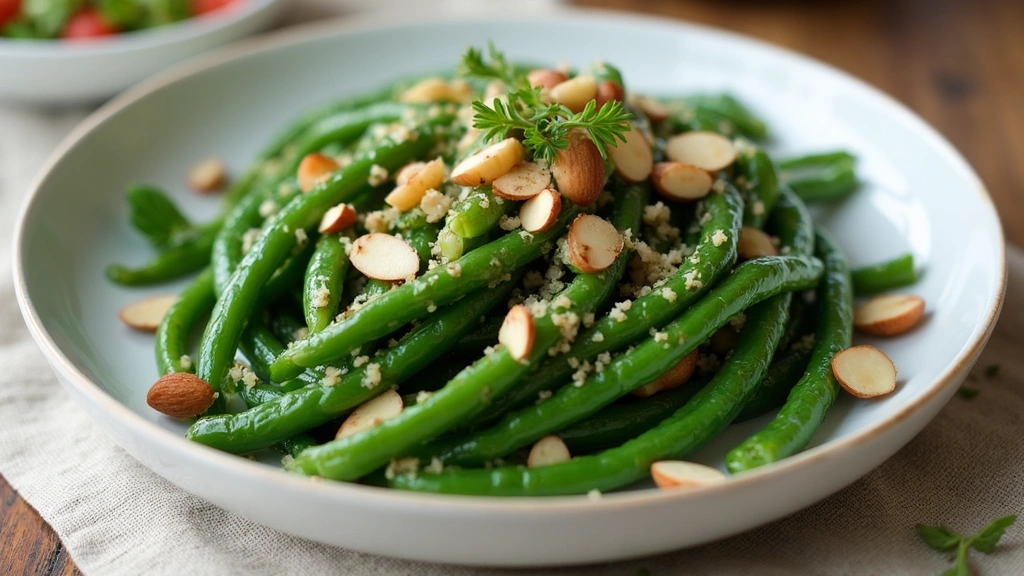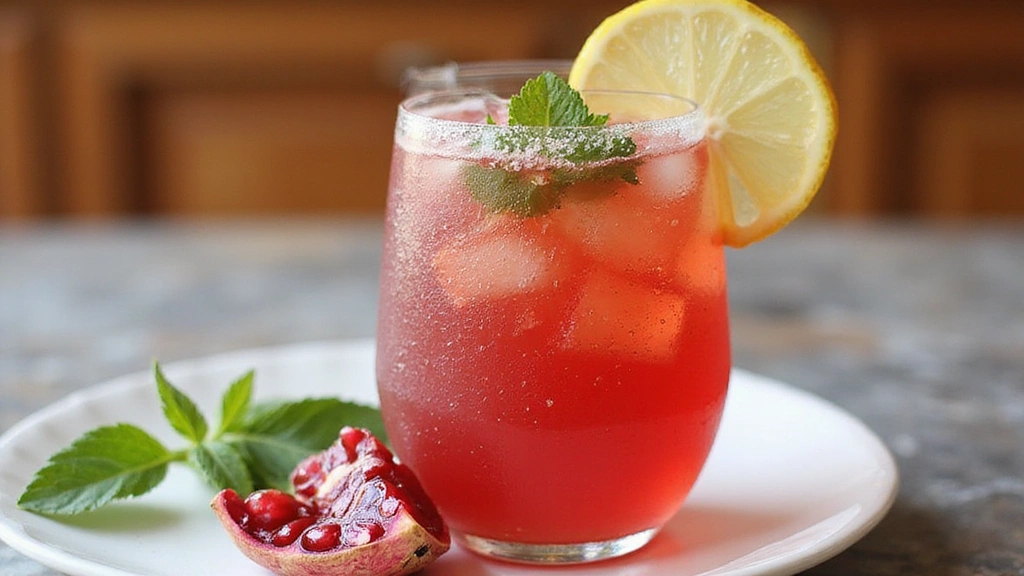

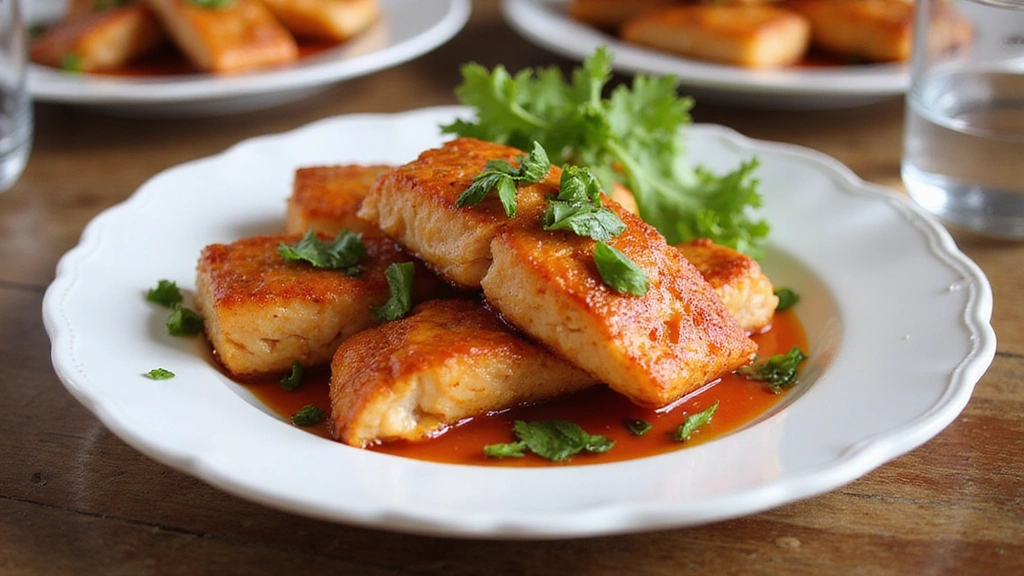
The vibrant, spicy allure of Cajun cuisine is captured perfectly in these Spicy Baked Cajun Salmon Bites.
Each bite offers a tantalizing blend of spices that dance on your taste buds, providing a delightful kick of heat.
As someone who grew up appreciating the bold flavors of Southern cooking, this recipe holds a special place in my heart.
It’s not just a meal; it’s an experience that brings the warmth of Cajun culture right to your dining table.
Perfect for any season, these salmon bites are an ideal choice for both casual weeknight dinners and festive gatherings.
Prepare to be amazed by how easily you can recreate a restaurant-quality dish right in your own kitchen.
Contents
- The History and Cultural Significance
- Recipe Overview
- Nutritional Information (per serving)
- Essential Equipment Guide
- Ingredients
- Preparation Methods
- Step 1: Prepare Ingredients
- Step 2: Mix Spices
- Step 3: Coat Salmon
- Step 4: Arrange on Baking Sheet
- Step 5: Bake Salmon
- Step 6: Prepare Garnish
- Step 7: Plate the Salmon
- Step 8: Serve and Enjoy
- Critical Timing and Temperature Guide
- Pro Tips for Cajun Spice Fix:
- Troubleshooting Common Issues
- Variations and Regional Differences
- Food Science Behind the Recipe
- Frequently Asked Questions
- Serving and Presentation Guide
The History and Cultural Significance
• Cajun Spice Fix traces its origins to the Louisiana region in the 18th century, where it was originally created by the Acadian settlers as a way to enhance the flavors of locally available ingredients.
• The dish evolved over decades as spices like cayenne and paprika were introduced, eventually becoming the beloved version we know today.
• In Cajun culture, this dish traditionally appears at Mardi Gras celebrations, symbolizing the bold, colorful spirit of the event.
• While many variations exist across different regions, the authentic version maintains a robust spiciness that sets it apart from imitations.
Recipe Overview
Nutritional Information (per serving)
Essential Equipment Guide
Baking Sheet: A high-quality baking sheet ensures even cooking and prevents sticking, especially when lined with parchment paper. Alternatives like a non-stick pan can work, but ensure it can withstand high temperatures.
Sharp Knife: A sharp knife is crucial for slicing the salmon into even bites, which ensures uniform cooking. A dull knife can tear the fish, affecting texture.
Mixing Bowl: A sturdy mixing bowl is essential for evenly coating the salmon bites with the Cajun spice mix. Choose one with enough room to toss the ingredients without spillage.
Ingredients
For the Salmon
|
| Amount | Ingredient | Notes |
|---|---|---|
| 1 pound | salmon fillet | cut into bite-sized pieces |
| 2 tablespoons | olive oil | helps the spice adhere |
Seasonings
| Amount | Ingredient | Notes |
|---|---|---|
| 1 tablespoon | Cajun seasoning | provides the signature flavor |
| 1 teaspoon | paprika | adds depth and color |
| 1/2 teaspoon | cayenne pepper | for extra heat |
| 1 teaspoon | garlic powder | enhances flavor |
| 1/2 teaspoon | salt | to taste |
| 1/2 teaspoon | black pepper | freshly ground |
Garnish
| Amount | Ingredient | Notes |
|---|---|---|
| 1 tablespoon | fresh parsley | chopped, for freshness |
| 1 lemon | cut into wedges, for serving |
Preparation Methods
Blending Spices: Combining spices in the right proportions is crucial for achieving the authentic Cajun flavor. Mix them well to ensure even coating and balance.
Cutting Salmon: Properly slicing the salmon into bite-sized pieces ensures even cooking. Use a sharp knife and cut against the grain for the best texture.
Baking: Baking at the right temperature retains moisture in the salmon while allowing the spices to develop a crust. Keep a close eye on the timing to avoid overcooking.
Step 1: Prepare Ingredients
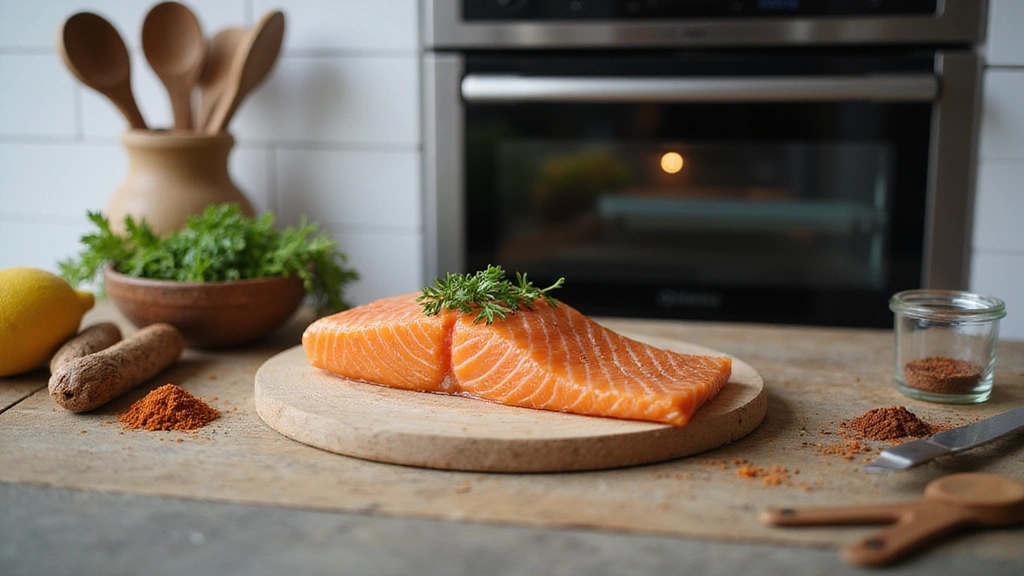
Gather all ingredients and equipment.
Ensure salmon is fresh and cut into even bite-sized pieces.
Lay out spices and measure them accurately.
Set your oven to preheat at 400°F (200°C).
Step 2: Mix Spices
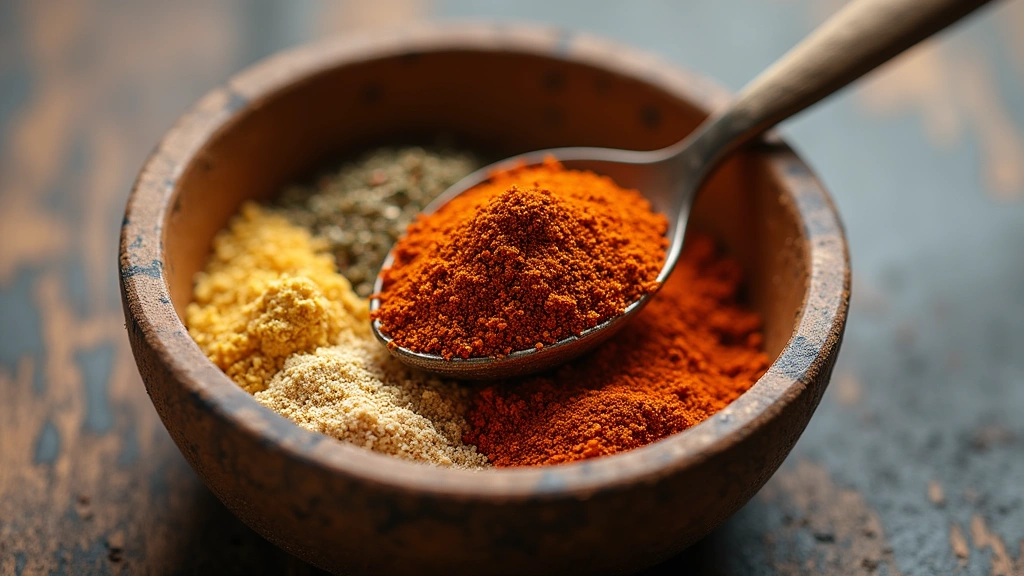
In a mixing bowl, combine Cajun seasoning, paprika, cayenne, garlic powder, salt, and black pepper.
Stir thoroughly to ensure the spices are well blended.
Taste a small pinch to adjust seasoning if necessary.
Set the spice mix aside for use in the next step.
Step 3: Coat Salmon
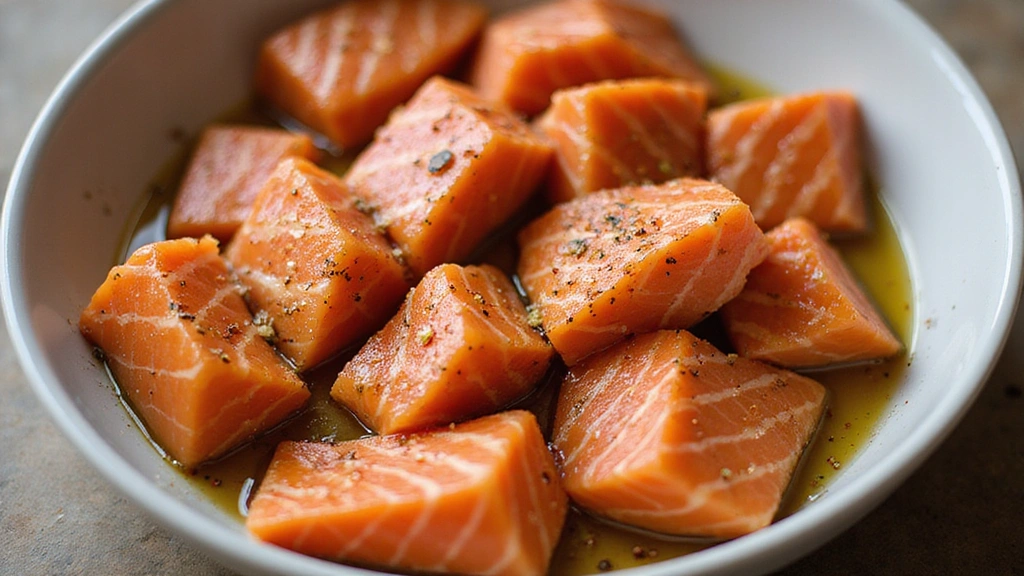
Place the salmon pieces into a large mixing bowl.
Drizzle olive oil over the salmon and toss to coat evenly.
Sprinkle the spice mixture over the salmon and gently toss until every piece is coated.
Ensure spices are evenly distributed for consistent flavor.
Step 4: Arrange on Baking Sheet
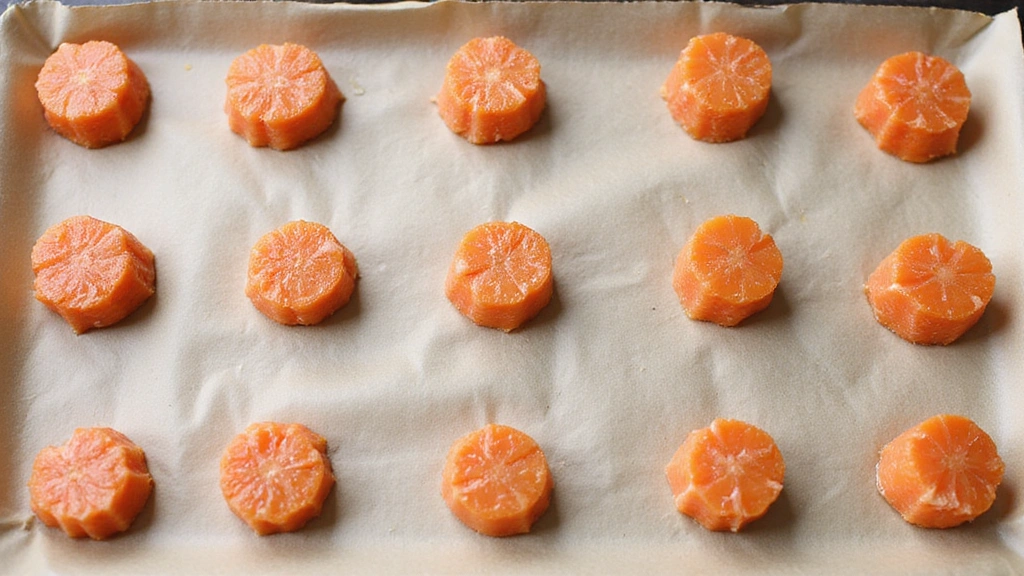
Line a baking sheet with parchment paper for easy cleanup.
Arrange the salmon bites in a single layer with space between each piece.
Do not overcrowd to allow even baking.
Double-check for even spacing to ensure all pieces cook properly.
Step 5: Bake Salmon
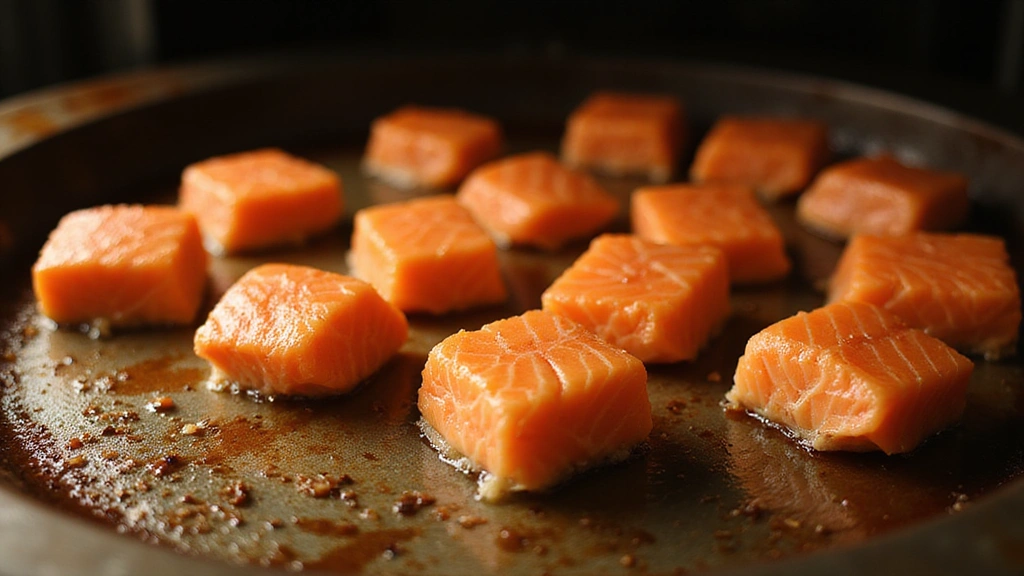
Place the baking sheet in the preheated oven.
Bake for 15-20 minutes, watching closely for doneness.
Look for a slight crisp on the outside and opaque center.
Avoid over-baking to maintain moisture and tenderness.
Step 6: Prepare Garnish
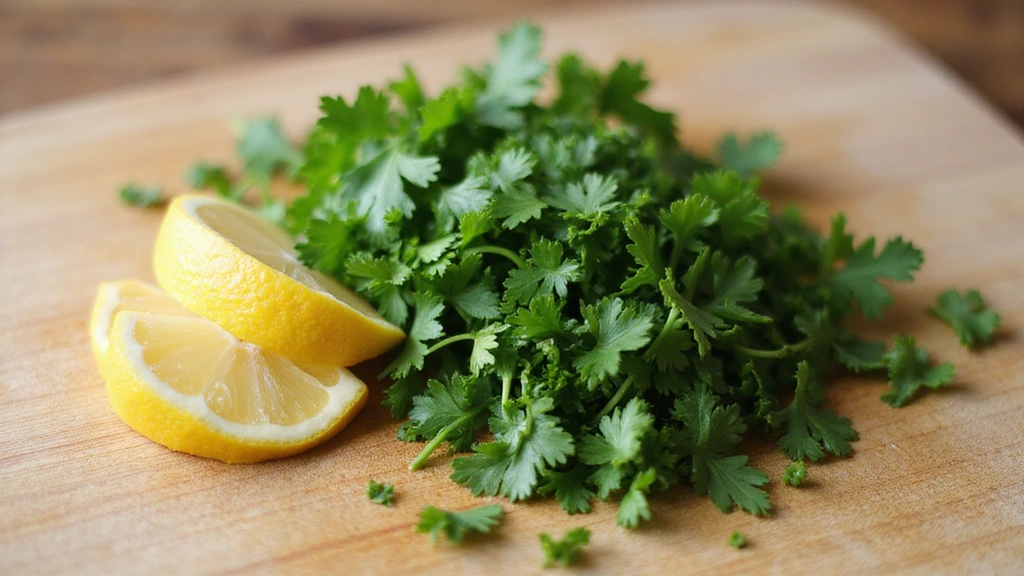
While the salmon bakes, chop fresh parsley finely.
Cut a lemon into wedges for serving.
Set aside garnish ready to use when serving.
Ensure garnish is fresh and vibrant for best presentation.
Step 7: Plate the Salmon
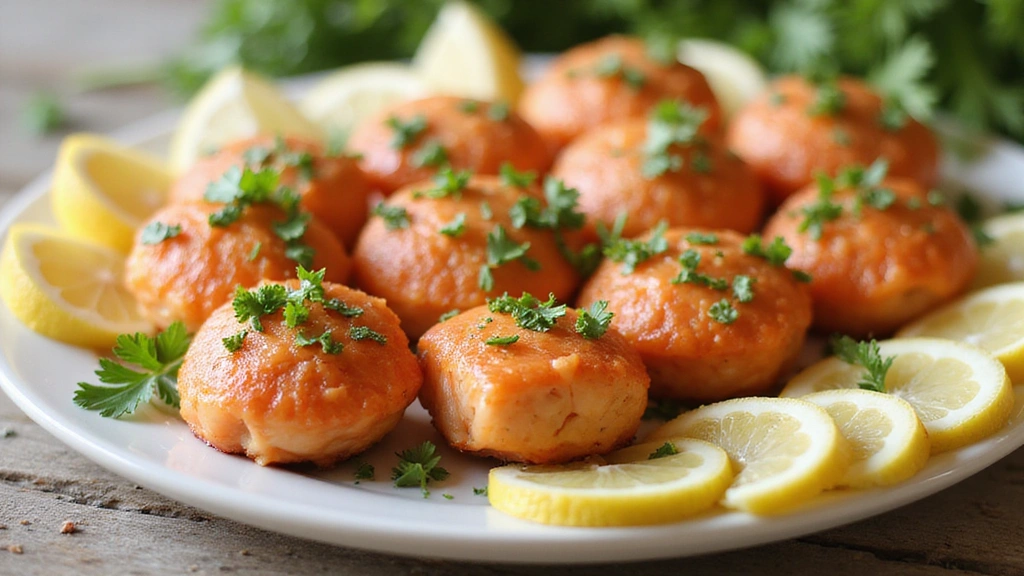
Remove the salmon from the oven once done.
Transfer the bites to a serving platter.
Sprinkle chopped parsley over the top.
Arrange lemon wedges around the platter for a fresh touch.
Step 8: Serve and Enjoy
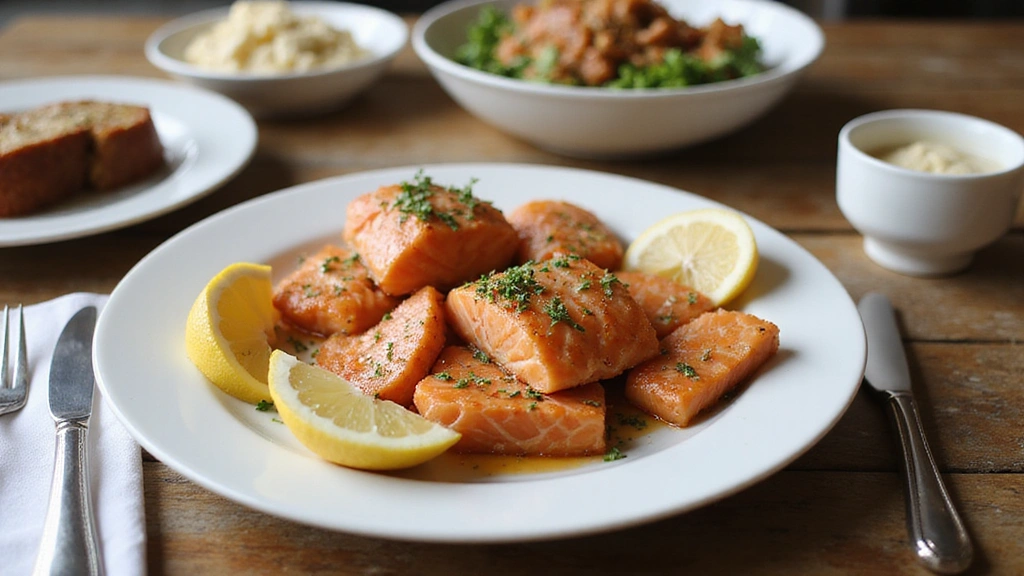
Serve the salmon bites hot with lemon wedges on the side.
Encourage guests to squeeze lemon over the bites for added zest.
Pair with your favorite side dishes like rice or salad.
Enjoy the bold, spicy flavors of Cajun cuisine at home.
Critical Timing and Temperature Guide
Baking Time: Bake at 400°F for 15-20 minutes. Look for a slight crisp on the outside and an opaque center. Avoid going beyond 20 minutes to prevent drying out.
Spice Coating: Ensure spices are applied evenly before baking. Uneven coating can result in inconsistent flavor and texture.
Serving Temperature: Serve immediately after baking for the best texture and flavor. Allowing the salmon to sit too long can cause it to lose its crispness.
Pro Tips for Cajun Spice Fix:
• Ingredient Selection: Opt for wild-caught salmon for the best flavor and texture. Fresh spices make a significant difference in achieving the authentic Cajun taste.
• Preparation Secret: Allow salmon to come to room temperature before cooking to ensure even baking.
• Temperature Management: Preheat your oven fully to ensure consistent cooking and the development of a nice crust.
• Texture Enhancement: Avoid overcrowding the baking sheet; space allows for even heat distribution and prevents steaming.
• Flavor Layering: Layer flavors by using a combination of Cajun seasoning, paprika, and cayenne for depth and complexity.
• Make-Ahead Strategies: Prepare the spice mix and cut the salmon in advance. Store salmon in the refrigerator and spices in an airtight container until ready to cook.
• Restaurant-Quality Finishing Touches: A squeeze of fresh lemon juice before serving brightens the dish and balances the spices.
• Equipment Optimization: Use parchment paper on the baking sheet to prevent sticking and make cleanup easier.
Troubleshooting Common Issues
• Salmon Overcooked: This occurs when baking time exceeds 20 minutes. Check doneness by gently pressing the salmon; it should be firm but not hard.
• Underseasoned Bites: If the flavor is too mild, ensure spices are fresh and quantities are measured correctly. Consider adding a pinch more cayenne for extra heat.
• Soggy Texture: Overcrowding the baking sheet can lead to steaming instead of baking. Ensure adequate space between each piece for a crisp finish.
• Flavor Imbalance: If one spice dominates, adjust quantities next time. Balance is key to authentic Cajun flavor.
• Not Enough Spice: If the bites lack heat, increase the cayenne level gradually in future batches.
• Spice Not Sticking: Ensure salmon is well coated with olive oil before applying spices to help them adhere better.
Variations and Regional Differences
• Creole Style: This version adds tomatoes and bell peppers for a slightly sweeter, more aromatic profile, emphasizing the Creole influence on Cajun cooking.
• Blackened Salmon: Uses a similar spice mix but cooked on a hot skillet, creating a charred crust that intensifies flavors.
• Southern Style: Incorporates a buttermilk marinade before baking, adding a tangy note that complements the spice.
• Grilled Variation: Instead of baking, grill the salmon bites for a smoky flavor. This technique is popular in Southern barbecues.
Food Science Behind the Recipe
• Maillard Reaction: The browning of the salmon is due to the Maillard reaction, which occurs at high temperatures and develops complex flavors and aromas.
• Heat and Protein: Cooking salmon at a consistent high temperature ensures the proteins set properly, maintaining a moist and tender texture.
• Fat and Flavor: The natural oils in salmon interact with spices, enhancing the absorption of flavors and providing a rich taste.
Frequently Asked Questions
What's the most common mistake people make when preparing Cajun Salmon Bites? The most common mistake is overcooking the salmon, leading to a dry texture. It's important to monitor the baking time closely.
Can I use frozen salmon for this recipe? Yes, but ensure it's thoroughly thawed and well-drained to avoid excess moisture affecting the texture.
How can I adjust the spice level? For milder bites, reduce the cayenne pepper. For more heat, add an extra pinch.
Is it necessary to use parchment paper? While not essential, parchment paper prevents sticking and makes cleanup easier.
Can I prepare the spice mix in advance? Absolutely, the spice mix can be made ahead of time and stored in an airtight container for up to a month.
What sides pair well with Cajun Salmon Bites? Consider serving with rice, a fresh salad, or roasted vegetables to complement the flavors.
How do I store leftovers? Store leftover bites in an airtight container in the refrigerator for up to 2 days. Reheat gently to avoid drying out.
Serving and Presentation Guide
• Traditional Presentation: Serve on a large platter with lemon wedges and a sprinkle of fresh parsley for a classic look.
• Casual Dining: Arrange on individual plates with a side of rice and a small salad for a complete meal.
• Buffet Style: Present in a chafing dish to keep warm, allowing guests to serve themselves during a gathering.
• Elegant Plating: For a more refined presentation, stack the salmon bites and garnish with microgreens and a drizzle of lemon juice.
Conclusion
These Spicy Baked Cajun Salmon Bites bring the bold flavors of Cajun cuisine right to your kitchen.
With their easy preparation and restaurant-quality taste, they're sure to impress family and friends alike.
I encourage you to try this recipe and enjoy the vibrant, spicy experience that captures the heart of Cajun cooking.