
Crust sets the pace for the whole evening: French bread skips dough entirely, a store-bought ball saves the most time, and a homemade dough keeps in the fridge for up to 3 days, so you can make it ahead and bake when you’re ready.
The ideas range from a rushed weeknight split loaf to a skillet peach burrata pizza that keeps the oven off.
Whatever you pick, oven heat sets the crisp, so I let it sit at 450°F for at least 20 more minutes after it reaches temperature.
1. Margherita Pizza
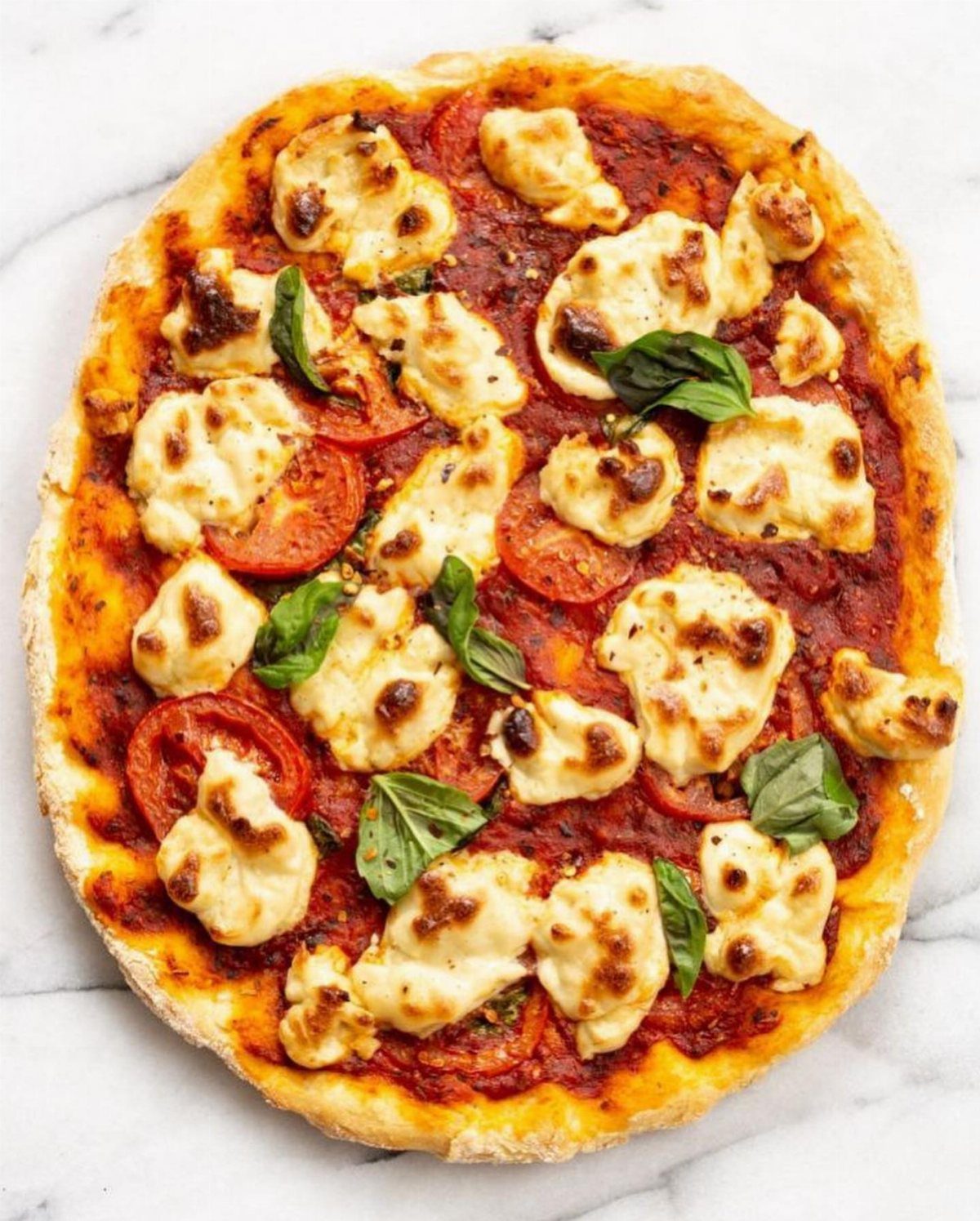
Three toppings, and each one has nowhere to hide. Tomato, mozzarella and basil only work if all three are good, so this is where I spend a little extra on canned tomatoes and fresh mozzarella.
Blot the cheese and tomato slices with a paper towel before they go on, since extra water makes a soggy center. Add the basil after baking so it stays green and bright.
Recommended Products

Perfect for Pizza Dough Proofing: Designed for home pizza makers to proof 12–14 inch pizza dough balls individually. Each container keeps dough separate, so the proofing process won’t be interrupted by other dough balls
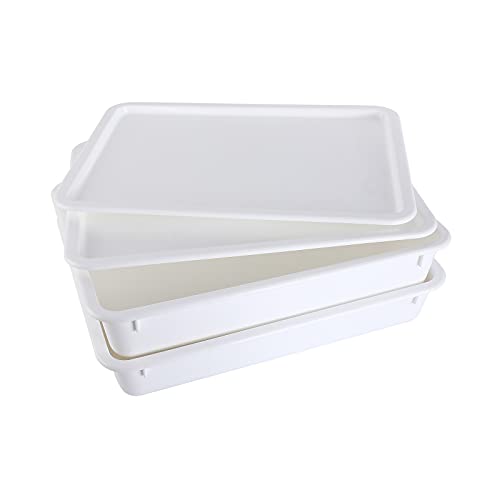
COMMERCIAL QUALITY: Our dough proofing boxes are generously sized at 17.25 x 13 x 3.54" with covers and sturdy enough to stack while you wait.

Package Include — This set includes 12 pcs clear pizza dough proofing boxes, allowing each pizza dough ball to ferment separately and hygienically for delicious pizza-making. The dough proofing containers stackable design saves space, keeping your fridge organized and clutter-free.
2. Classic Mozzarella Grandma Pie
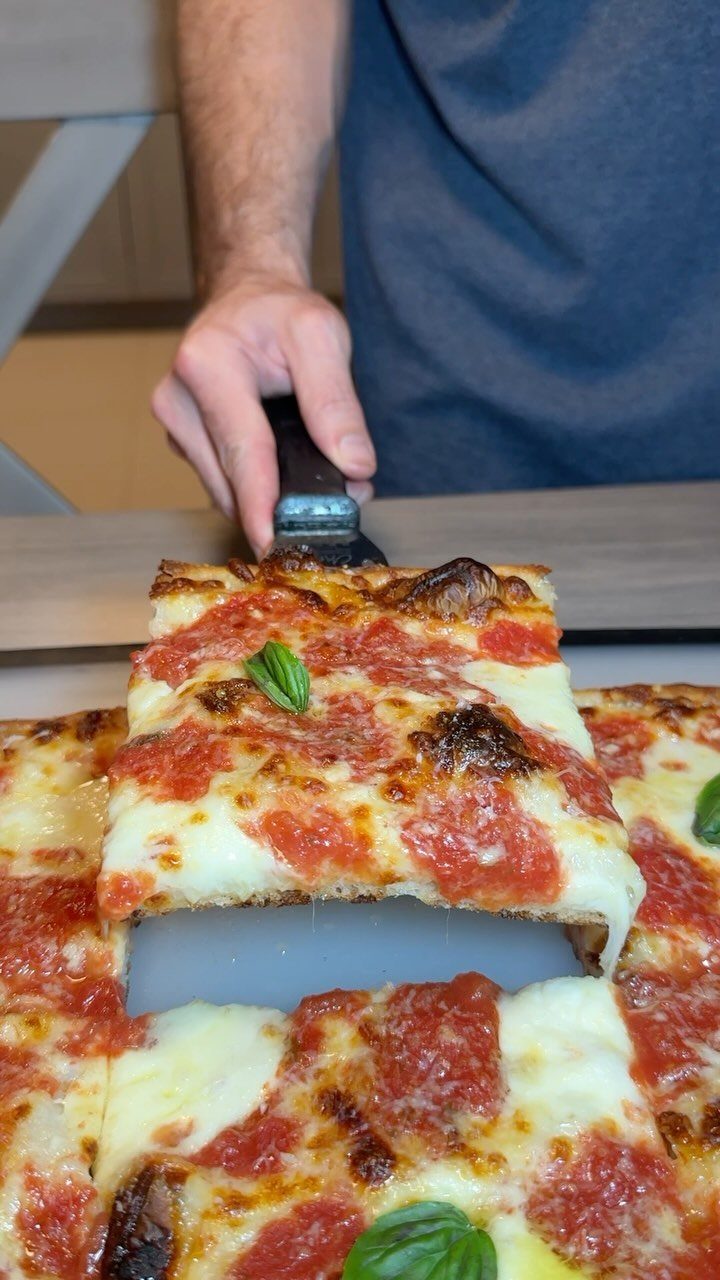
Square slices from a sheet pan make this the pizza I pick when a crowd is coming.
A thin crust, fresh mozzarella and basil mean a short ingredient list from any grocery store, and one pan means one thing to wash.
Oil the pan well so the bottom crisps and the slices lift out cleanly. Tear the mozzarella and pat it dry before topping.
Cut it into squares with kitchen shears or a sharp knife, and serve straight from the pan.
Recommended Products

Savor the Moment. Whether you're watching the game or hosting a party, this frozen pizza dough is always a hit. Enjoy a tasty pizza margherita as an on-the-go lunch, frozen dinner, or snacks any time SNAP and EBT item in eligible states SNAP and EBT item in eligible states

Frozen Pizza made with organic tomatoes, mozzarella cheese, parmesan, and basil

BelGioioso cheeses are made with all-natural ingredients
3. Pan-Fried Peach Burrata Pizza
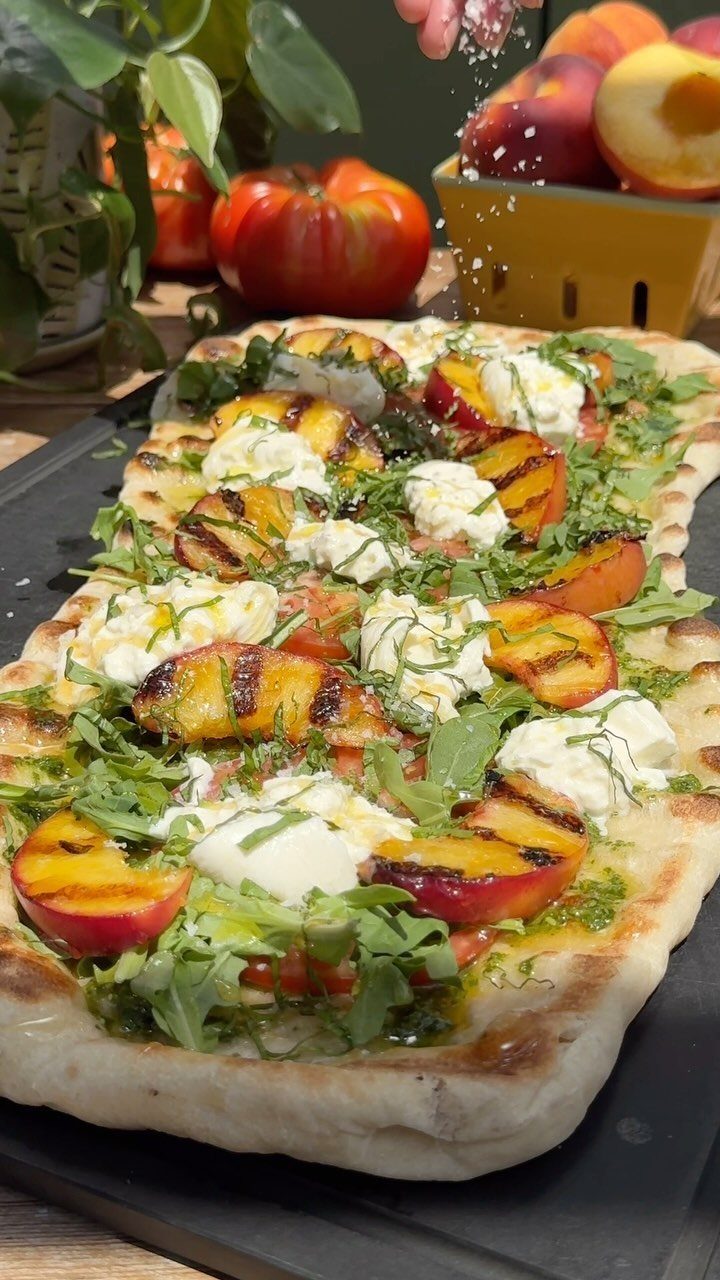
Cooking pizza in a skillet on the stove takes the oven out of a hot summer dinner, and it pairs well with sweet peaches and creamy burrata.
Browned peach slices turn jammy, and the arugula adds a peppery bite against them.
Add the burrata and arugula after cooking so the cheese stays soft and the greens stay crisp.
A pinch of flaky salt over the top finishes it. Peaches are the one ingredient here that depends on the season.
Recommended Products

Detroit-style Perfection: high straight sides create that iconic caramelized cheese crust and airy dough rise; This detroit style pizza pan delivers the legendary crispy edges and shape you crave—just like the Motor City original
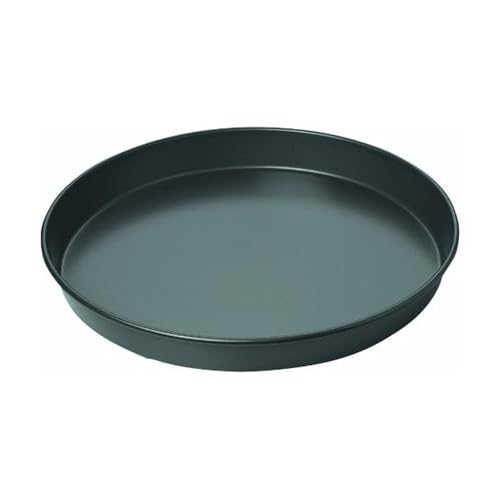
AUTHENTIC CHICAGO STYLE DEEP DISH: Create restaurant-quality deep dish pizzas at home; Heavy-duty 14-inch diameter pan with 1.5-inch depth ensures perfect crust height and even baking

16" PERFORATED PIZZA PAN: Designed with a perforated edge and even heating technology, this pizza pan reduces moisture and ensures a perfectly crispy crust for your homemade pizza. Enjoy delicious results every time you bake.
4. BBQ Chicken Pizza
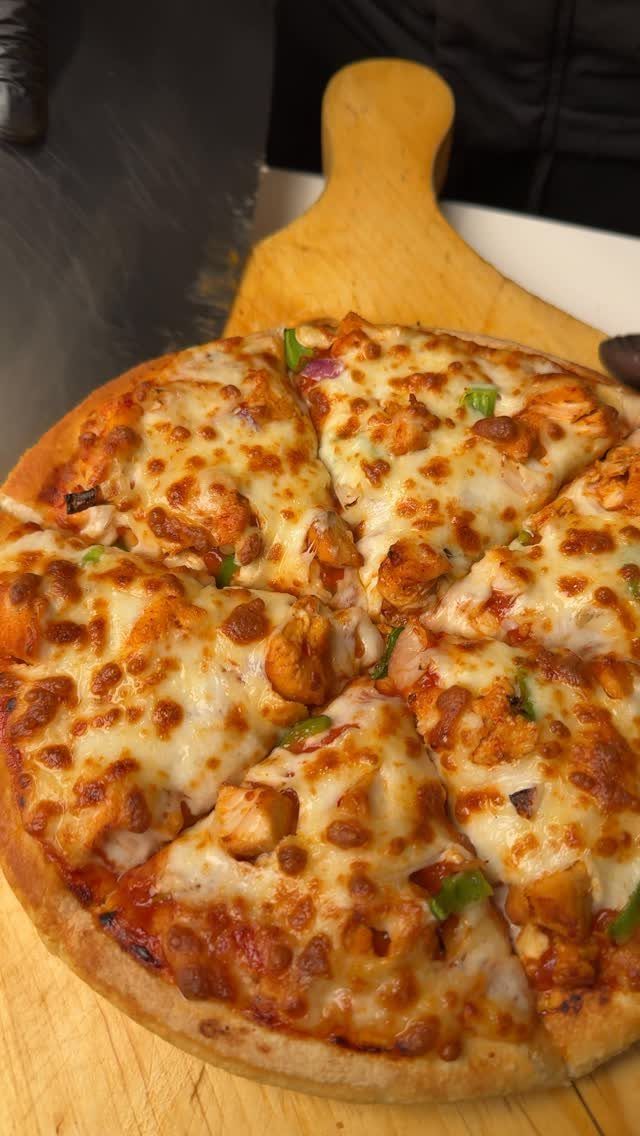
Sweet, smoky barbecue sauce stands in for tomato sauce here, and it changes the whole pizza. Chicken, melted cheese and red onions finish the job.
Leftover rotisserie chicken is my shortcut. Shred it, toss it with a little sauce, and dinner is nearly done.
Go easy on the sauce, since too much makes the crust damp. Thin-sliced red onion cooks down and turns sweet in the oven, which suits the smoky flavor well.
5. Pesto Pizza
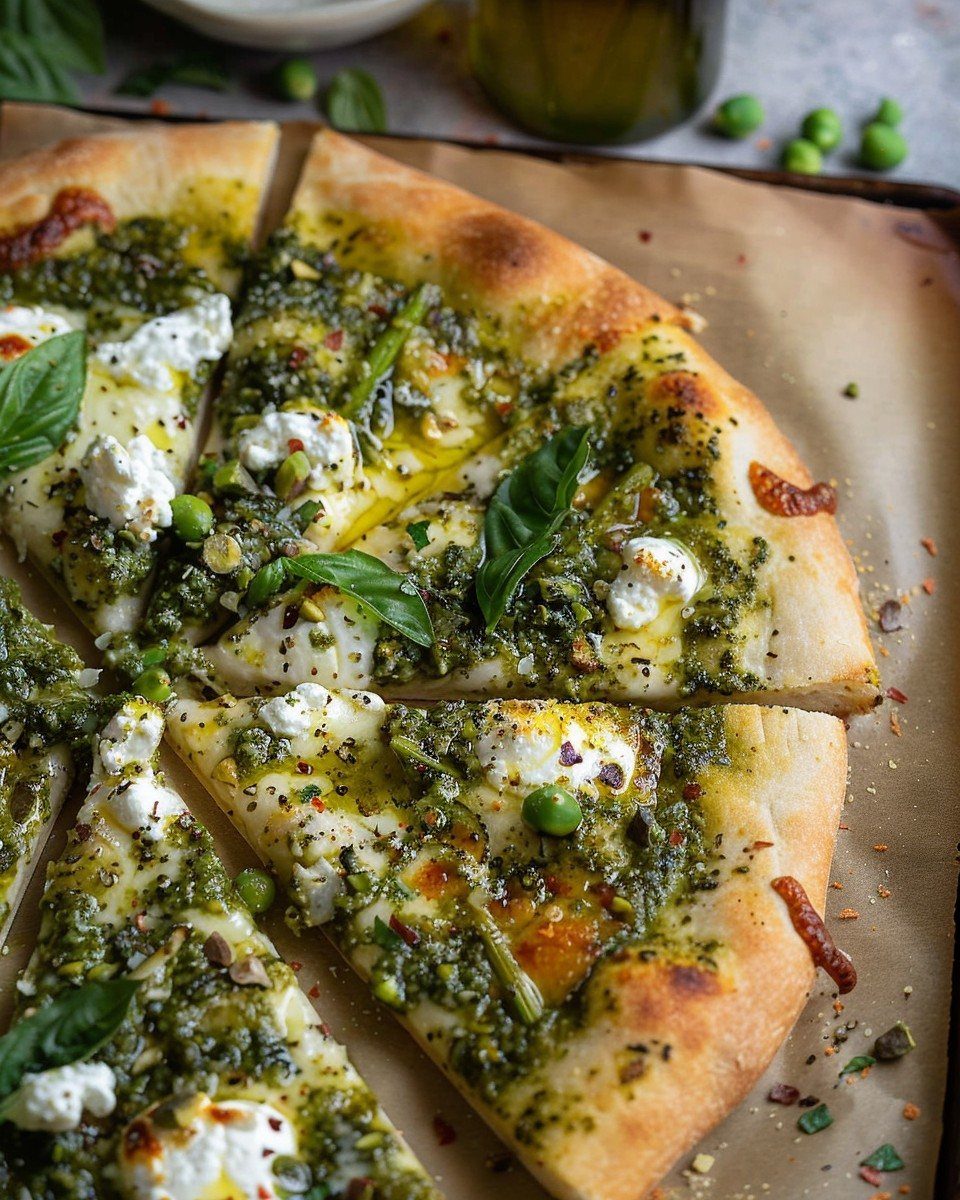
Swapping pesto for tomato sauce gives a pizza that tastes of basil and garlic from the first bite. Jarred pesto works fine on a weeknight, and a thin layer goes a long way.
Fresh mozzarella and sun-dried tomatoes balance the richness, adding a chewy, tangy contrast. Tear a few extra basil leaves over the top once it’s out of the oven.
Pesto can go on just half the crust, with a thin coat of tomato sauce over the other half, which makes a lighter pizza that still has both flavors.
6. Sheet-Pan Pizza
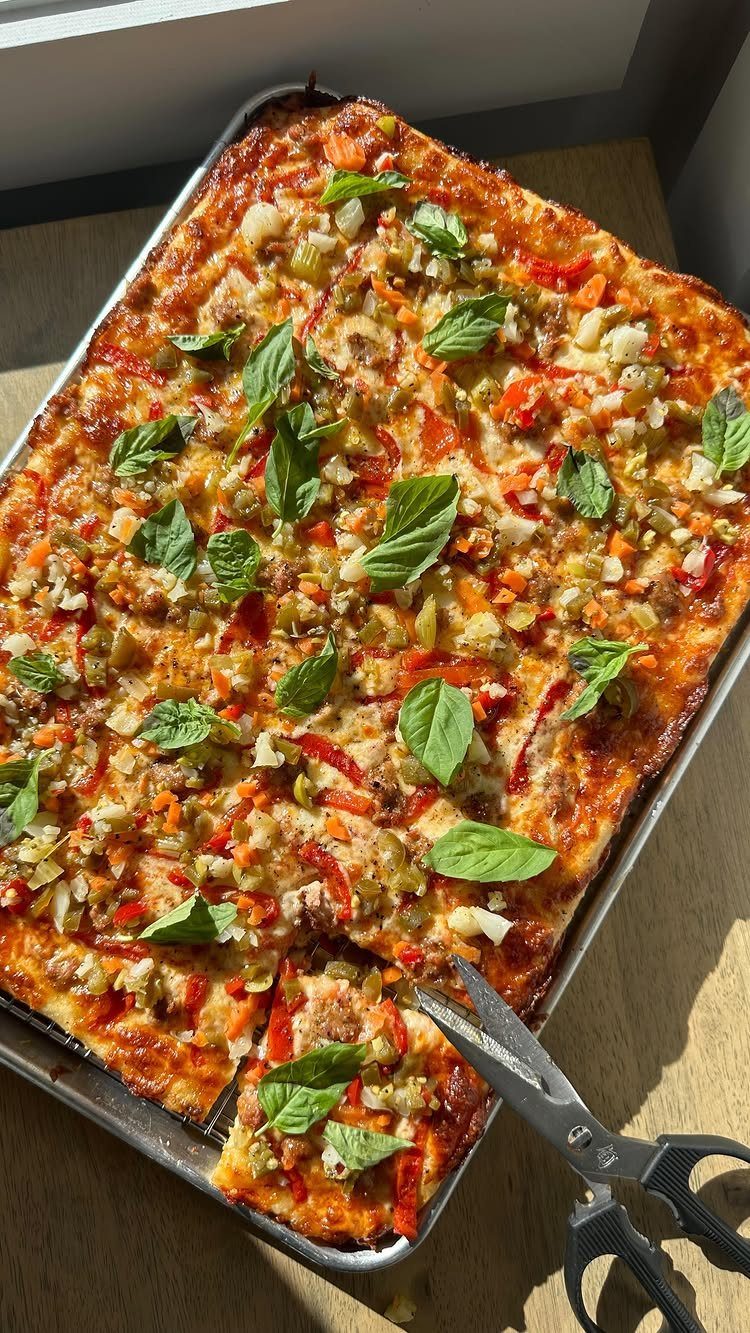
Pressing dough into a metal sheet pan gives you a pizza that feeds a family with one tray to wash.
Oil the pan generously so the crust fries a little on the bottom. Press the dough out gently, and if it springs back, let it rest for 10 minutes.
Kitchen shears cut clean slices right in the pan.
7. Homemade Pizza Sauce
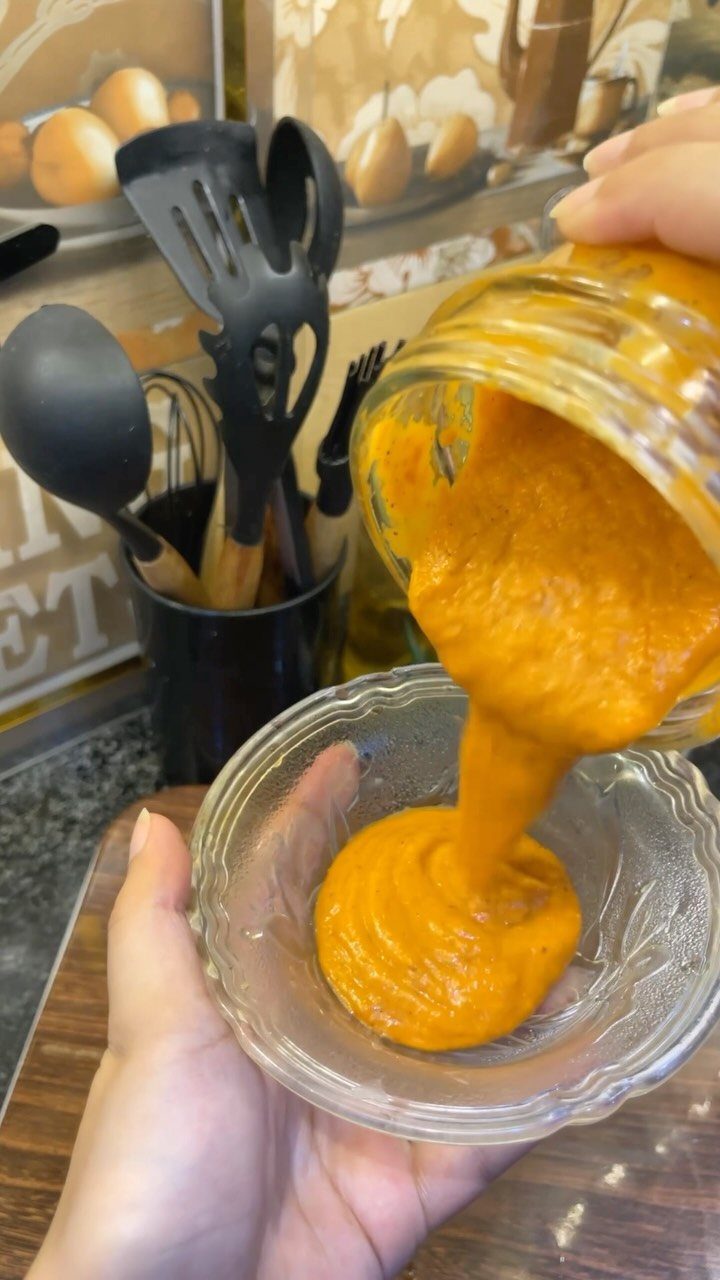
A jar of homemade sauce in the fridge makes a pizza night go faster, since the dough is the only thing left to deal with. Spread it thin, because a heavy layer steams the crust instead of letting it bake.
Pour or spoon it into the center and work outward with the back of a spoon, leaving a small border for the crust to puff.
Cold sauce from the fridge goes on just as well as warm.
The best homemade pizza recipes start with a great crust—but that doesn’t mean you have to make it from scratch. Many grocery stores sell ready-to-roll pizza dough, and plenty of neighborhood pizzerias will happily sell you a ball of their handmade dough too.
8. French Bread Pizza
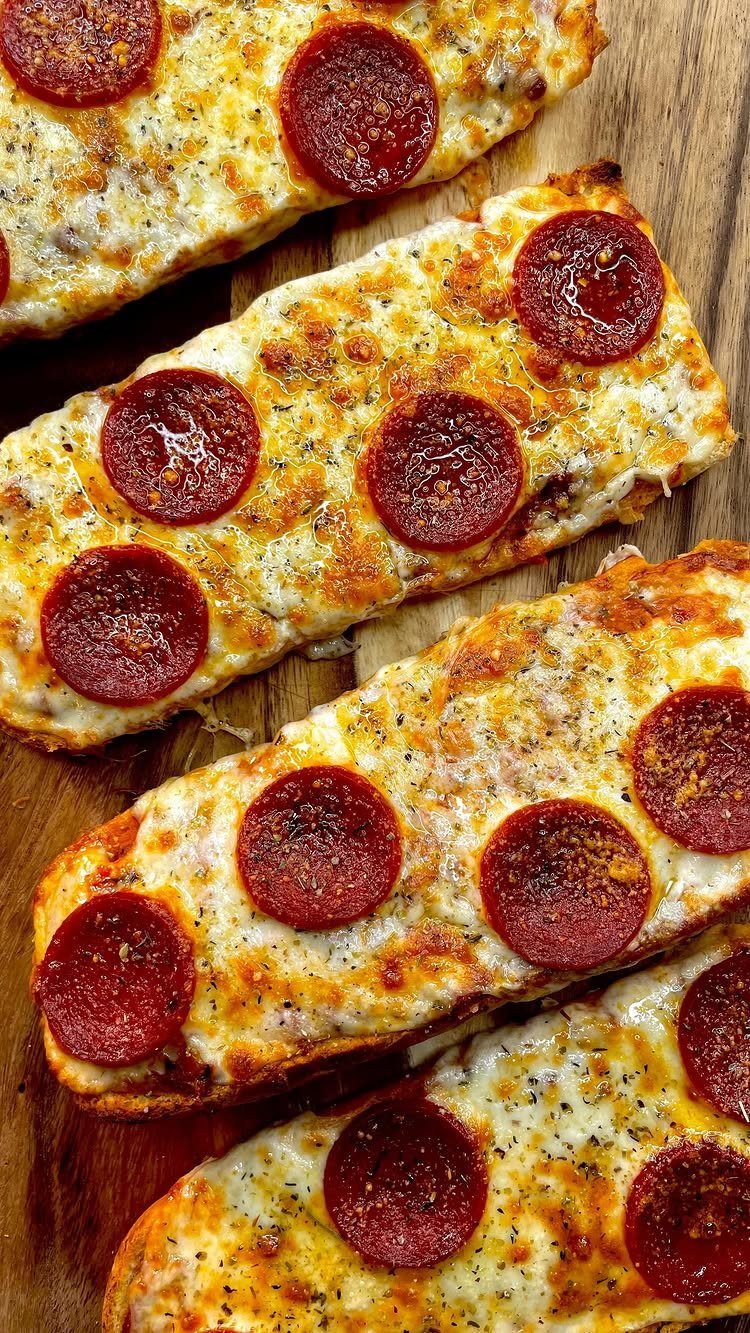
Split a loaf of French bread lengthwise and you have a crust ready to go, with no dough to rest or stretch. That makes this the pizza I pick for a rushed weeknight with kids at the table.
Spread sauce on the cut sides, add cheese and pepperoni, and bake on a sheet pan until the cheese melts. Toasting the bread for a few minutes first keeps the middle from going soft under the sauce.
Slice into pieces for easy handling.
9. Pan Pizza
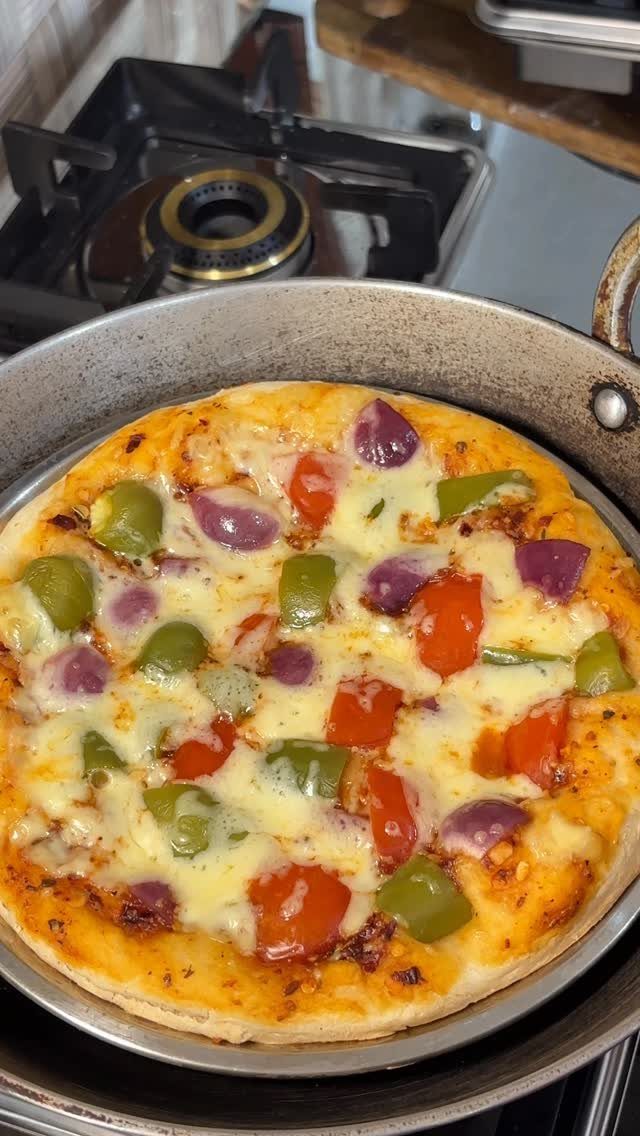
Baking in a metal pan gives the crust a soft, substantial bite that a flat stone or tray does not.
A thick pan crust can carry heavier toppings than a thin one, so sliced bell peppers and red onions won’t sink or turn the center soggy.
Be generous with the oil in the pan.
It fries the bottom to a golden crisp and lets you lift the whole pizza out in one piece. Let the dough rise in the pan if it will let you, and press it to the edges gently.
A skillet works if you have no pizza pan. Cut thin strips of vegetables so they cook through.
10. Pepperoni Pizza
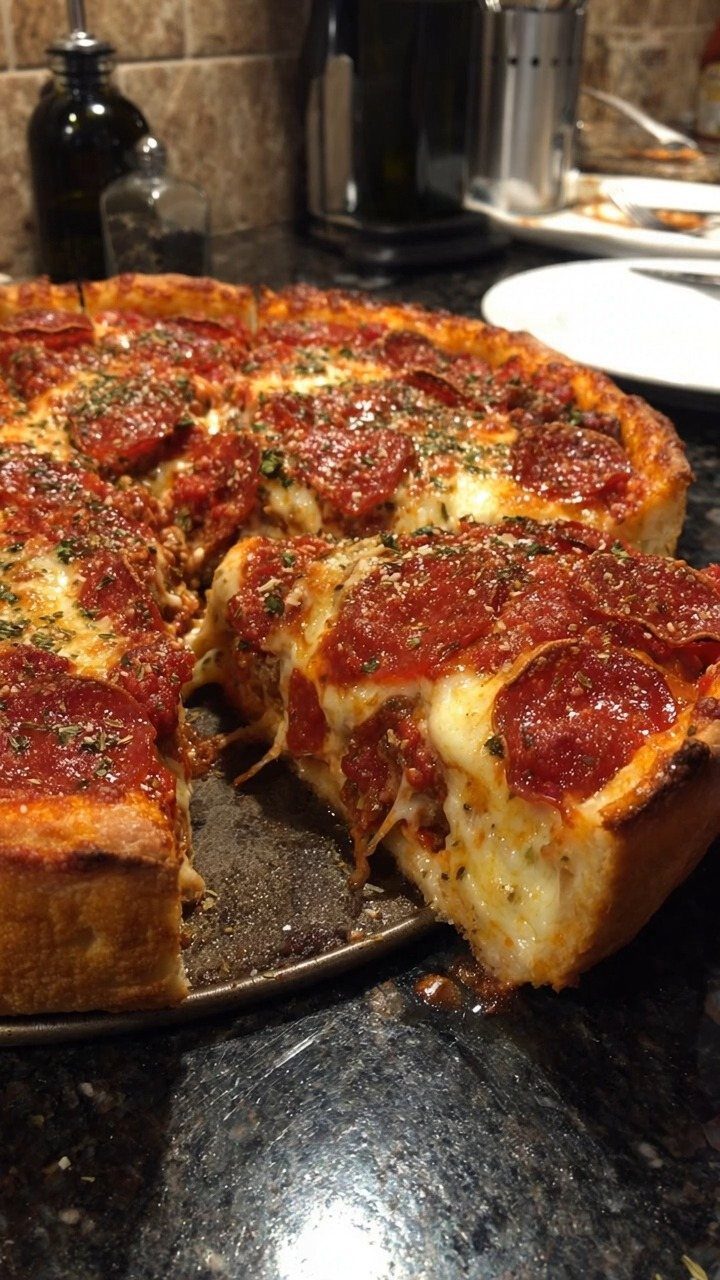
Pepperoni earns its place by curling at the edges and leaving little pools of spicy oil on the cheese. A dark baking sheet helps the bottom brown, which I like.
Use plain low-moisture mozzarella, and lay the slices out evenly so every bite gets some. Overlapping them makes the center greasy.
A pinch of dried herbs over the top before baking is all the extra it needs.
11. Homemade Pizza with Toppings
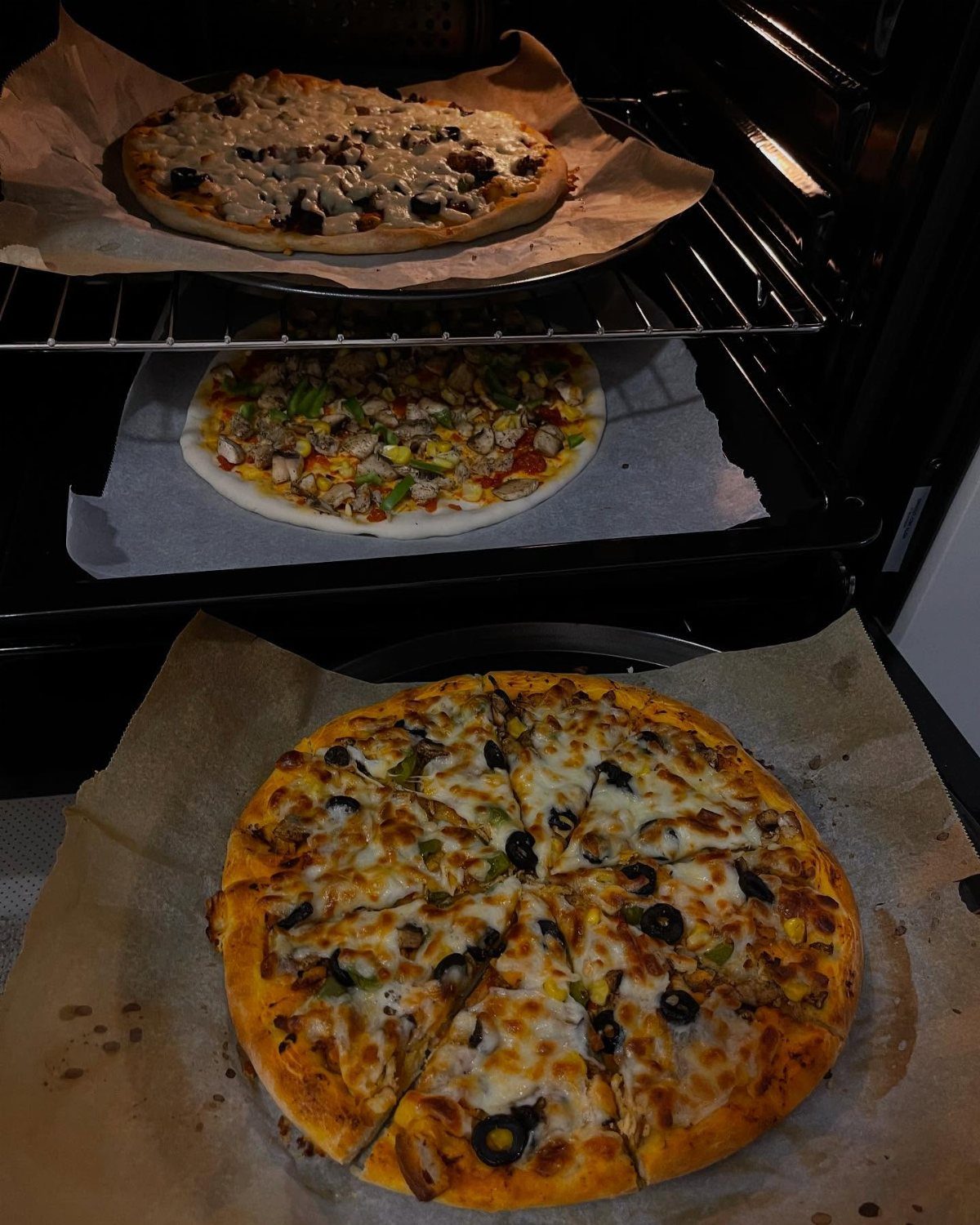
Baking several pizzas at once lets everyone at the table get the topping they want. Stretch each dough round onto its own sheet of parchment, top it, and slide the parchment right onto the pan.
Two racks fit two pizzas, but ovens heat unevenly, so swap the pans top to bottom halfway through. Pull each pizza when its own crust is browned rather than by one timer.
Starting from scratch takes longer. Store-bought dough shortens the evening.
12. Vegetable Pizza
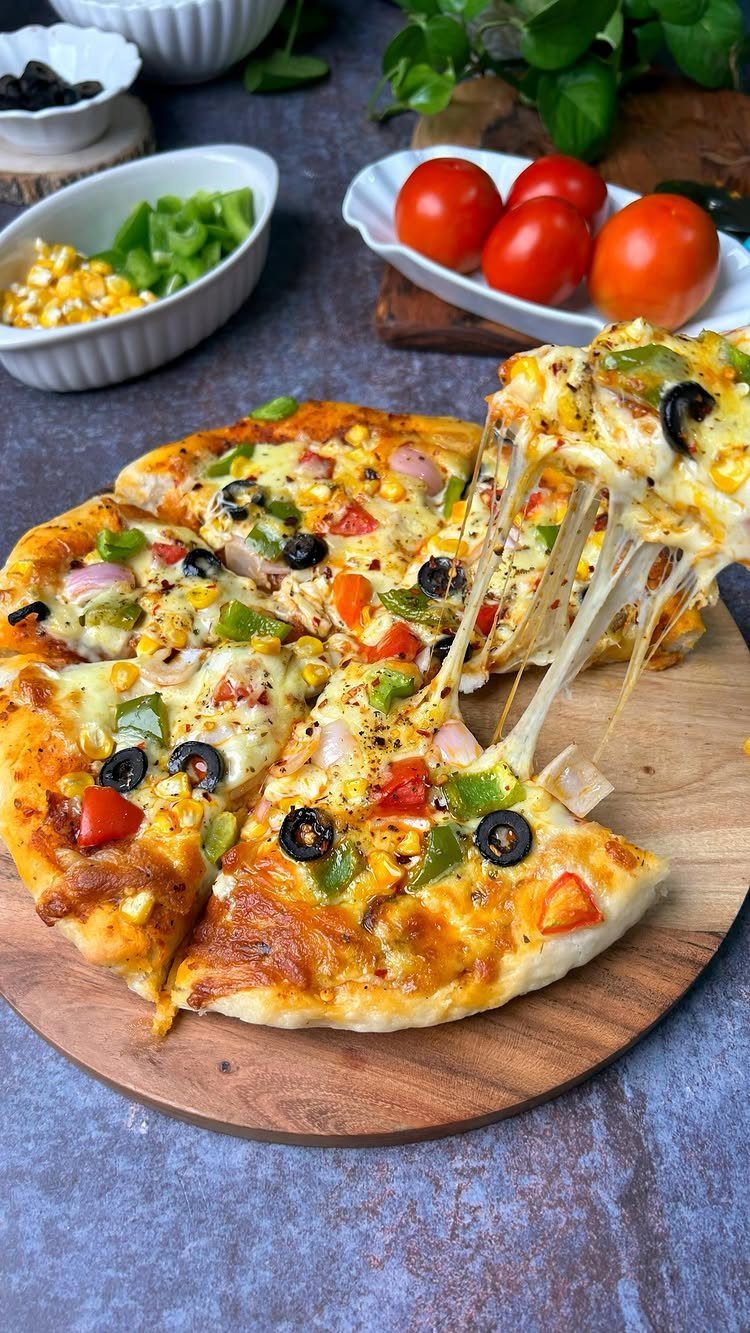
Peppers, olives and tomatoes give a vegetable pizza color and chew, and you don’t miss the meat. I like a generous layer of cheese here, since it glues the toppings down and stretches when you pull a slice.
Slice the vegetables thin and pat wet ones dry so the crust stays crisp.
Sturdy vegetables like peppers can go on raw. Add corn if you want a little sweetness.
Cut the slices once the pizza has rested for a minute so the toppings stay put.
13. Buffalo Chicken Pizza
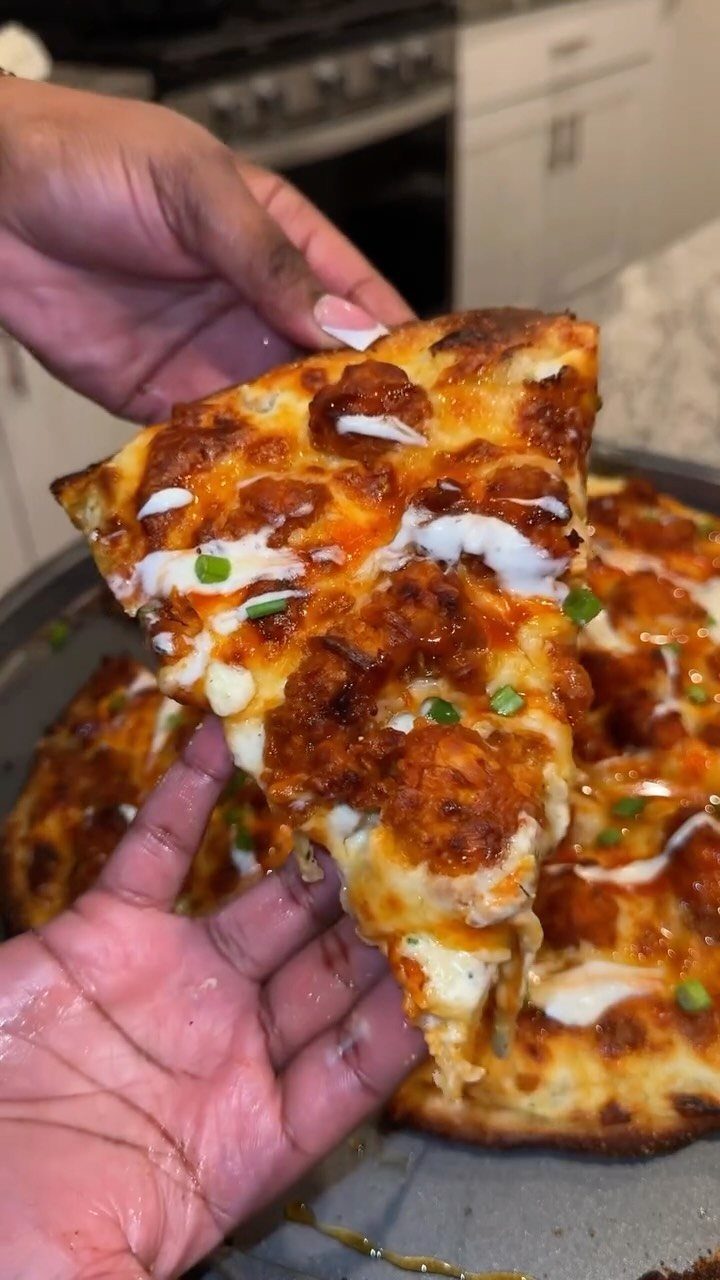
Wing-night flavor on a pizza comes from chicken tossed in Buffalo sauce, and that is the whole idea. Shredded rotisserie chicken is the easy route on a weeknight, and the sauce coats it in a minute.
Toss the chicken lightly so it stays saucy without leaking onto the crust.
Keep the white drizzle for after baking, and scatter green onions over the top at the end. Cooling the pizza for a minute before slicing keeps the cheese from sliding off.
14. Roasted Mushroom Pizza
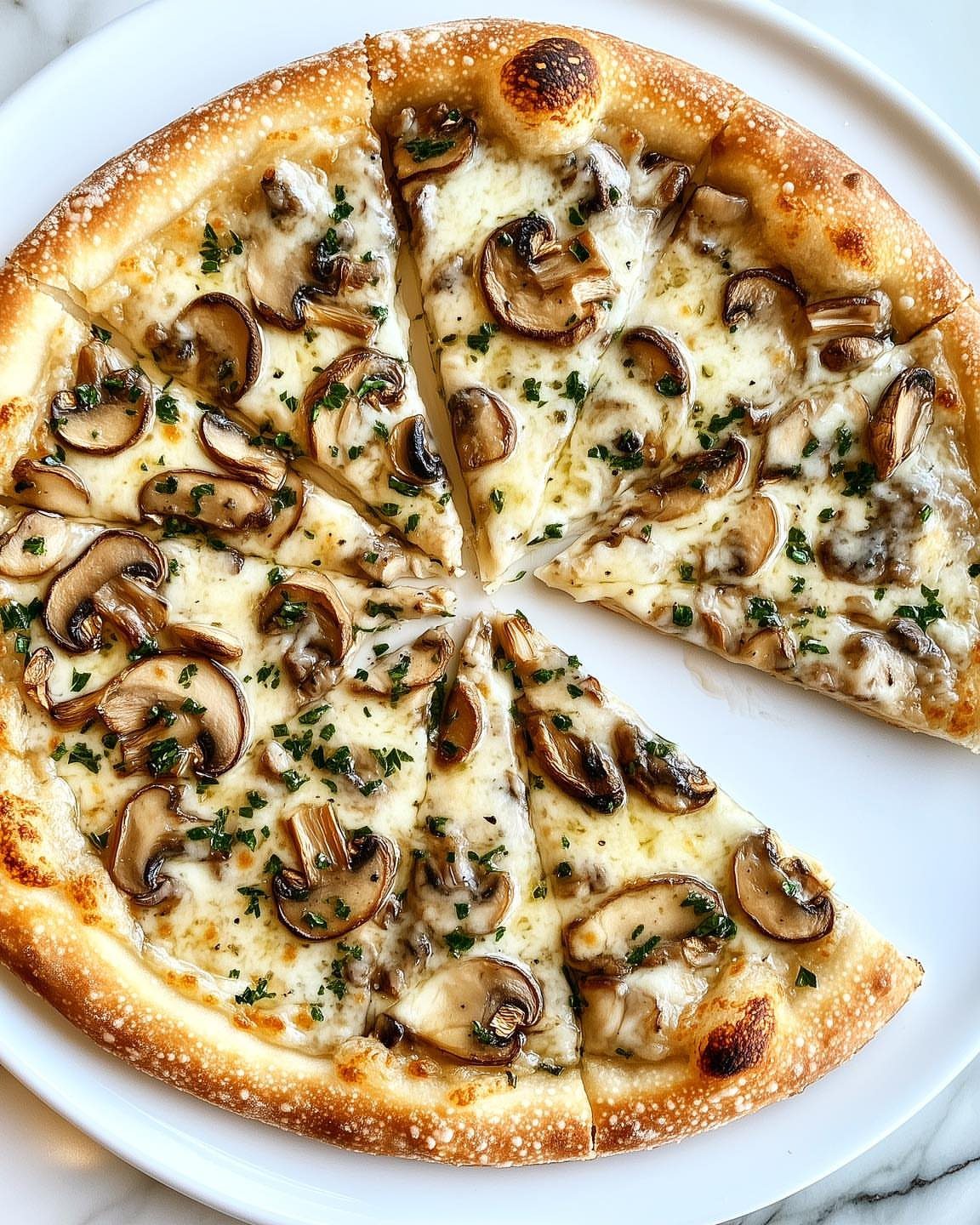
Mushrooms lose their water in a hot oven, and that is why I roast them before they go near the dough. Raw ones can leave the center wet; roasted ones turn browned and meaty.
Fontina melts creamy and a little nutty, which suits mushrooms better than plain mozzarella does. Scatter sliced scallions over the pizza for a mild, fresh bite.
Let the roasted mushrooms cool a few minutes before topping so they don’t warm the dough too early.
15. Pepperoncini Cheese Pizza
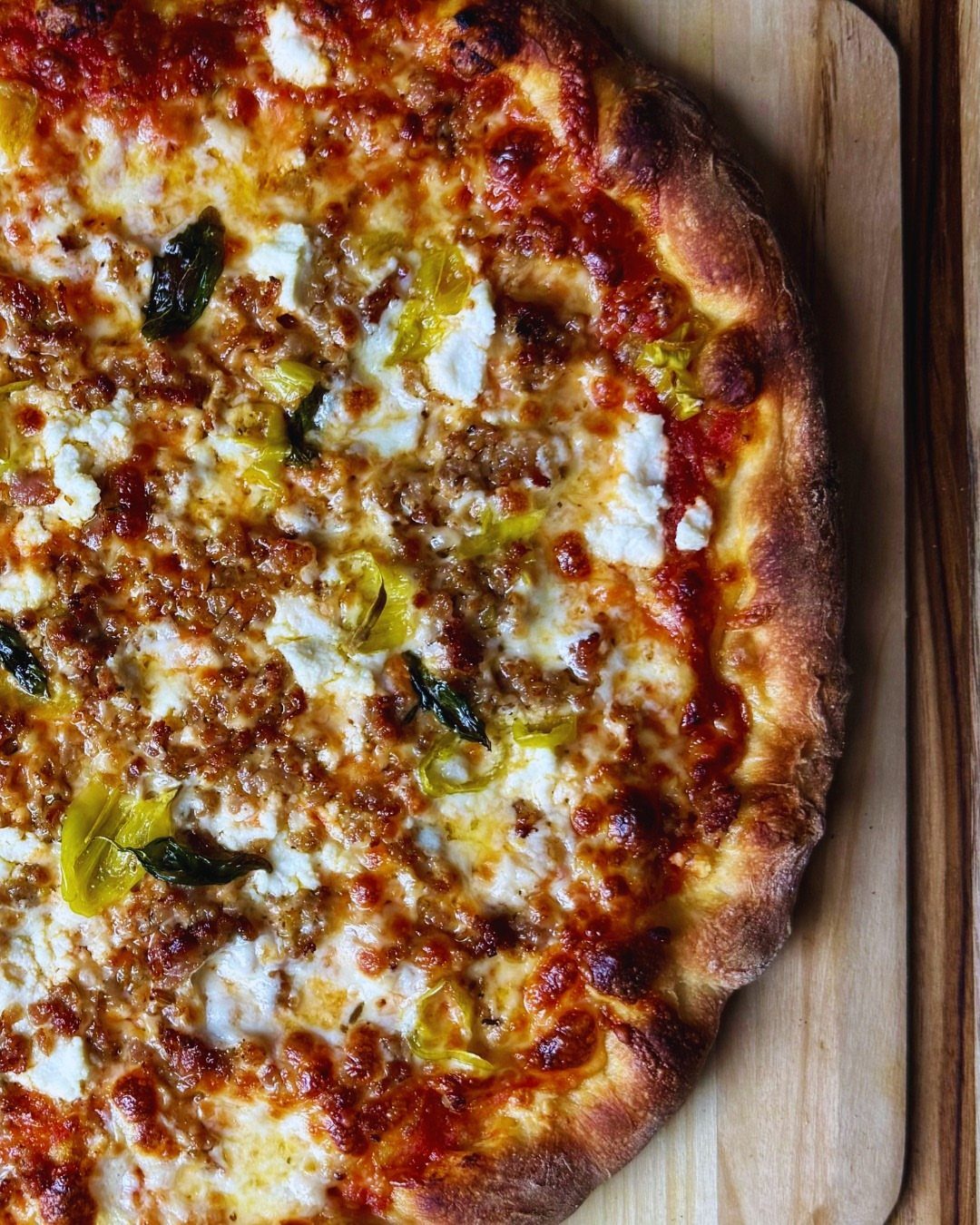
Pepperoncini bring a tangy, briny bite that cuts through melted cheese, so this pizza never feels heavy. 2 cheeses and a drizzle of herb oil carry the rest.
Drain the pepperoncini and pat them dry, since the pickling liquid will water down the sauce.
Mozzarella gives the stretch, and a second white cheese adds flavor. Brush or drizzle the herb oil over the crust.
Spread the sauce thin so the peppers stay the main event.
Prevent a Soggy Crust
Give the bare dough a short bake first, 5–8 minutes in a very hot oven, until the underside turns firm and golden, so the sauce and cheese land on a crust that has already set.
Add the sauce and toppings after that.
Pizza sauce is reduced enough to be thick, while jarred pasta sauce still carries a lot of liquid that leaves the crust limp. If you only have pasta sauce, simmer it down first.
Sauté watery vegetables and cook raw meats before they go on, so their juices cook off in the pan rather than in the crust. Keep toppings to a modest amount; a crowded pizza traps steam.
Dough Make-ahead Storage
Dough keeps in the refrigerator for up to 3 days.
Once the first rise is done, press the air out gently, roll the dough into a ball, rub it with a little olive oil, and drop it in a lidded container big enough for it to puff up.
Frozen dough keeps its best texture for about 3 months.
Pull chilled dough out 30–60 minutes before baking, since it stretches without snapping once it loses the chill.
A slow rise in the refrigerator for 8–12 hours also builds flavor. If you need to hold it longer than that, mix it with colder water at the start, which slows the yeast down.
Oven Heat and Pizza Stones
A hot oven decides how crisp the bottom gets, so give it time. Once it reaches 450°F, I let it keep heating for at least 20 more minutes, especially with a stone inside.
A preheated stone passes heat straight into the crust.
Use care sliding the pizza onto it. A baking sheet or pizza pan works too, and I preheat it in the oven for the same 30–45 minutes as a stone.
Some recipes go as high as 500°F or 550°F, so if you want more browning, use your oven’s top setting.
Melted cheese does not mean the pizza is done. Check doneness by lifting one edge with a spatula: a lightly browned, crisp underside means it’s ready, while a pale or soft one needs more time.
Frequently Asked Questions
What is the secret to good homemade pizza?
A very hot oven and a crust that sets before the toppings go on.
Give the oven a full 20 minutes of extra heating after it hits 450°F, and go light on sauce and toppings, since too much of either steams the crust into softness. Salt in the dough also matters for flavor and texture.
What is the correct order to make a pizza?
Preheat the oven, stretch the dough, give it a short bake if you want a crisp crust, then add a thin layer of sauce, the cheese and the toppings.
Delicate toppings like fresh basil go on after baking so they stay green and keep their flavor.
What temperature do you cook homemade pizza?
Use 450°F at minimum, and go hotter if your oven allows. Some ovens reach 500°F or 550°F, and the top setting gives the most browning.
Do you need a pizza peel?
No.
A flat baking sheet moves a pizza in and out of the oven just fine, and it stores more easily than a peel. Parchment under the dough makes the slide easier.
How do you par-bake pizza crust?
Slide the plain dough into a very hot oven for 5–8 minutes, until the bottom turns firm and golden.
Then add the sauce and toppings and finish baking. The crust has already set, so it doesn’t turn soggy or doughy.
How do you keep homemade pizza from getting soggy?
Par-bake the crust first, and use thick pizza sauce rather than jarred pasta sauce, which carries too much liquid.